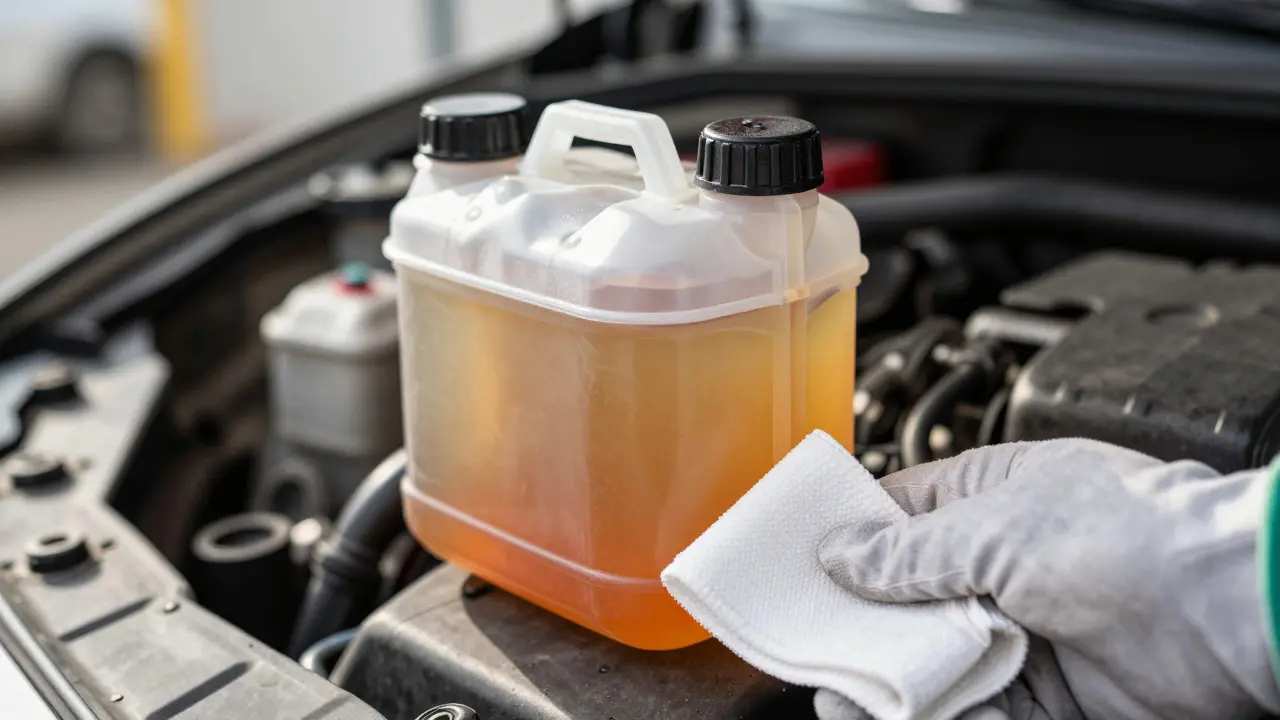
Ever wondered why your mechanic insisted on a specific type of brake fluid is a hygroscopic hydraulic fluid that transmits force from the pedal to the brakes. Unlike hydraulic oil, it must handle extreme heat and absorb moisture over time. The wrong choice can lead to spongy pedals or even total brake failure. Understanding the differences between DOT 3, DOT 4, and DOT 5.1 isn't just about following the manual; it's about keeping your car safe on wet roads and steep hills.
This guide breaks down exactly what these numbers mean, how to check your current fluid level, and when you actually need to replace it. We’ll skip the engineering jargon and focus on practical steps you can take in your garage or at the service center. By the end, you’ll know which bottle to grab and why mixing them up is a bad idea.
Key Takeaways
- DOT 3 is standard for older cars and light-duty trucks; it has a lower boiling point but is cheaper.
- DOT 4 is the modern default for most vehicles; it handles higher temperatures better than DOT 3.
- DOT 5.1 is for high-performance and European cars; do not mix with silicone-based DOT 5.
- Brake fluid absorbs water over time, reducing its effectiveness; replace every two years or 30,000 miles.
- Always check your owner’s manual before buying fluid; using the wrong type can damage rubber seals.
Understanding Brake Fluid Grades
The "DOT" designation comes from the U.S. Department of Transportation standards. These grades define the minimum boiling points of the fluid, which is critical because boiling fluid creates vapor lock, meaning your pedal goes to the floor and stops working. There are three main categories you will encounter: glycol-based (DOT 3, 4, 5.1) and silicone-based (DOT 5).
| Type | Boiling Point (Dry) | Boiling Point (Wet) | Typical Use | Miscibility |
|---|---|---|---|---|
| DOT 3 | 401°F (205°C) | 284°F (140°C) | Older sedans, small trucks | Glycol-based |
| DOT 4 | 453°F (234°C) | 311°F (155°C) | Modern cars, SUVs, EVs | Glycol-based |
| DOT 5.1 | 567°F (297°C) | 401°F (205°C) | Performance cars, BMWs, Porsches | Glycol-based |
| DOT 5 | 567°F (297°C) | N/A (Non-hygroscopic) | Racing, classic cars | Silicone-based |
Notice the difference between "dry" and "wet" boiling points. Dry refers to new fluid straight from the bottle. Wet refers to fluid that has absorbed 3% water by weight. Since brake fluid sits in your system for months, the wet rating is what matters most for daily driving safety. If your fluid degrades below the wet boiling point, you risk vapor lock during hard braking.
How Hydraulic Braking Systems Work
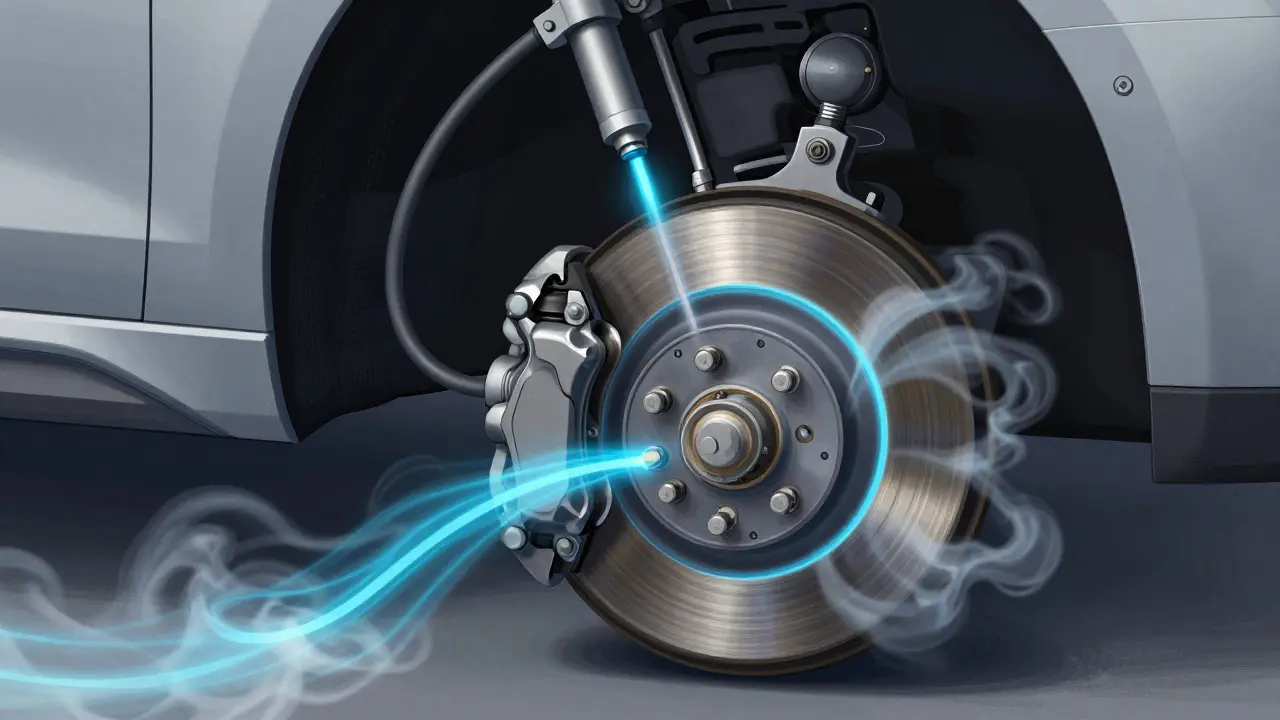
Your car uses a hydraulic braking system is a closed loop that uses fluid pressure to stop wheels. When you press the brake pedal, you push a master cylinder piston. This action forces brake fluid through lines to the calipers or wheel cylinders. Because liquids don’t compress easily, that pressure transfers instantly to the brake pads, squeezing them against the rotors.
Here’s where fluid quality becomes critical. Air bubbles in the system compress, making the pedal feel soft or spongy. Water in the fluid boils under heat, creating steam pockets that also compress. Both scenarios reduce stopping power. That’s why bleeding the brakes after a fluid change is essential-it removes air and ensures only liquid fills the lines.
Selecting the Right Fluid for Your Vehicle
The single best rule is this: use what your manufacturer specifies. Check your owner’s manual or the cap on your brake reservoir. It will usually say "DOT 4" or "DOT 3." Why does the manufacturer care? Because different cars have different thermal loads and seal materials.
- Check the Reservoir Cap: Most caps list the approved fluid types. If it says "DOT 3 or DOT 4," either works, but DOT 4 is generally preferred for longevity.
- Consider Your Driving Style: Do you tow heavy trailers or drive in mountainous areas? If so, stick to the highest grade recommended (e.g., DOT 4 or DOT 5.1). Frequent hard braking generates more heat.
- Avoid Mixing DOT 5 with Glycol Fluids: DOT 5 is silicone-based and doesn’t mix well with DOT 3 or 4. Mixing them can cause gelling and clog your ABS sensors. Only use DOT 5 if your car specifically requires it (rare in modern passenger cars).
Can you upgrade from DOT 3 to DOT 4? Yes, as long as your manual allows it. DOT 4 is backward compatible with DOT 3 systems. Can you downgrade from DOT 4 to DOT 3? Technically yes, but you lose some thermal margin. It’s like running premium gas in a regular car-fine, but unnecessary if you want maximum performance.
Signs You Need New Brake Fluid
Brake fluid doesn’t go "bad" like milk. It degrades. Here’s how to tell if yours needs replacing:
- Spongy Pedal Feel: If the pedal sinks further than usual before engaging, you might have air or degraded fluid.
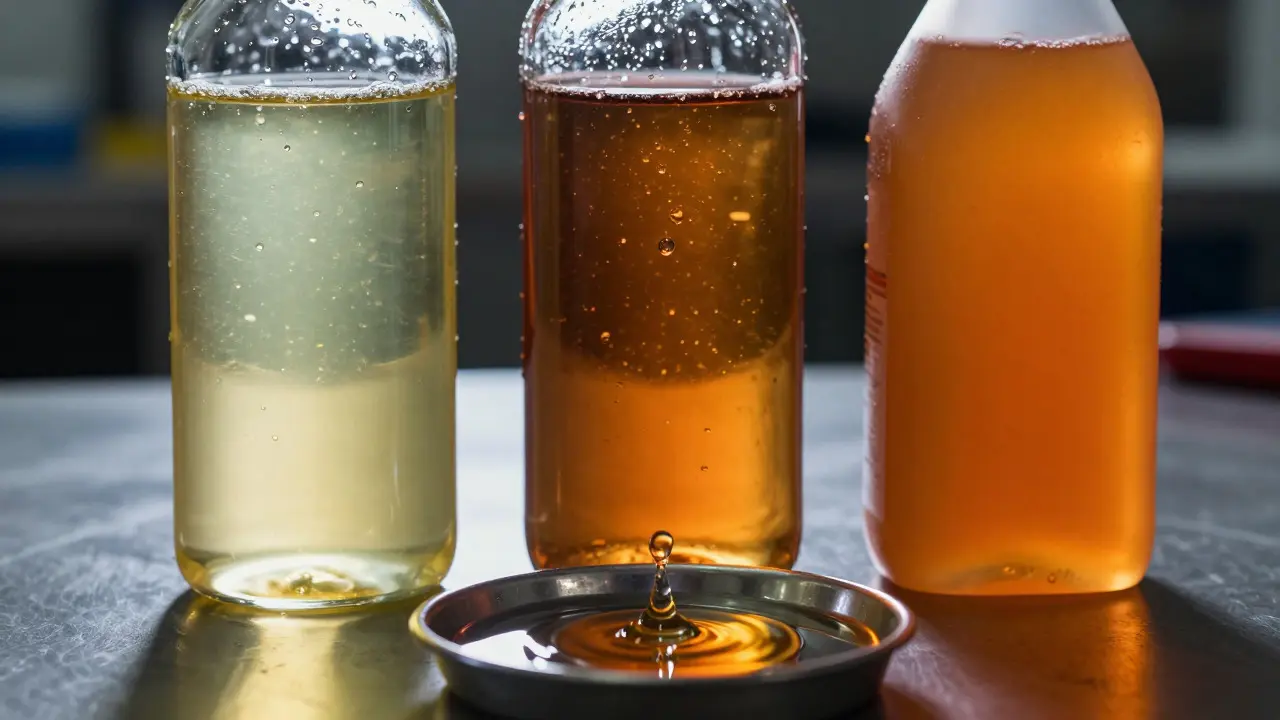
- Darker Color: Fresh fluid is clear or light yellow. Old fluid turns brown or black due to contamination and oxidation.
- Low Level Without Wear: If the level drops but your brake pads aren’t worn, you might have a leak. But if the level is normal and the color is dark, it’s time to flush.
- Age: Even if it looks fine, fluid absorbs water from the atmosphere. Replace every two years or 30,000 miles, whichever comes first.
You can test the water content with a simple refractometer or test strips available at auto parts stores. If the water content exceeds 3%, replace the fluid immediately. At 3% water, the wet boiling point drops significantly, increasing the risk of failure in hot weather or heavy traffic.
Step-by-Step Guide to Changing Brake Fluid
Changing brake fluid is a DIY-friendly task if you have basic tools. Here’s a simplified process for a typical four-wheel vehicle:
- Gather Supplies: Correct fluid, bleeder wrench, clear tubing, catch pan, and a helper (or one-person bleed kit).
- Pump the Master Cylinder: Press the pedal several times without releasing it to build pressure. Keep the reservoir topped off.
- Bleed Starting Farthest from Master Cylinder: Usually, the rear right wheel is first. Open the bleeder valve while holding the pedal down. Close the valve before releasing the pedal. Repeat until clear fluid flows out.
- Move to Next Wheel: Follow the order specified in your manual (often rear left, front right, front left).
- Refill and Test: Top off the reservoir, close the cap, and pump the pedal until firm. Drive gently to ensure no leaks.
Pro tip: Don’t let the reservoir run dry. Air entering the master cylinder means you’ll have to bleed the entire system again, which is tedious and expensive if done professionally.
Common Mistakes to Avoid
Even experienced mechanics make these errors. Watch out for:
- Using Old Fluid from a Jar: Once opened, brake fluid starts absorbing moisture. Buy fresh bottles and use them within six months.
- Ignoring Contamination: Dirt or debris in the fluid can scratch metal surfaces. Always pour from a clean container.
- Forgetting the ABS Module: Some cars have separate circuits for ABS. If your pedal feels weird after a standard bleed, you may need to cycle the ABS system electronically.
- Mixing Brands Incompatibly: While DOT 3 and 4 are compatible, avoid mixing DOT 5 with anything else. Stick to one type per system.
If you’re unsure, take your car to a trusted shop. A professional fluid exchange takes about an hour and costs less than repairing damaged brake components from a failed system.
Frequently Asked Questions
Can I use DOT 4 fluid in a car that calls for DOT 3?
Yes. DOT 4 is fully compatible with DOT 3 systems and offers better heat resistance. Just make sure the fluid is genuine and not mixed with silicone-based products.
How often should I change my brake fluid?
Every two years or 30,000 miles, whichever comes first. This schedule accounts for natural moisture absorption, even if the fluid looks clean.
What happens if I mix DOT 5 and DOT 4?
They are incompatible. DOT 5 is silicone-based and can gel when mixed with glycol-based DOT 4, potentially clogging valves and sensors. Avoid mixing unless explicitly instructed.
Is brake fluid reusable?
No. Used fluid contains contaminants and water. Always dispose of old fluid properly and use fresh fluid for every service.
Does electric car brake fluid differ from gasoline cars?
Not necessarily. Many EVs use DOT 4 or DOT 5.1 due to regenerative braking patterns that can generate unique thermal loads. Check your specific model’s manual for recommendations.