
You just bought a reliable used sedan. The dealer smiled, handed you the keys, and then dropped the big question: "Do you want to add an extended warranty?" Your wallet tightened. You know your factory warranty expired months ago, but is paying another $2,000-$4,000 upfront really smart? Or are you just buying peace of mind from a salesperson who gets a commission?
Here’s the truth: used car warranties, technically known as vehicle service contracts that cover mechanical breakdowns after the manufacturer's original coverage ends, aren't one-size-fits-all. For some drivers, they’re a financial lifesaver. For others, they’re a waste of cash. This guide cuts through the jargon to help you decide if extended protection makes sense for your specific situation in 2026.
What Exactly Is a Used Car Warranty?
First, let’s clear up the terminology. When people say "warranty," they often mean two different things. A manufacturer’s warranty is included with new cars and sometimes transfers to used ones (like Hyundai’s 10-year powertrain coverage). An extended warranty or vehicle service contract is a separate agreement you buy later. It’s not insurance; it’s a prepaid repair plan.
These contracts typically kick in when your factory warranty expires. They cover specific parts-usually the engine, transmission, and drivetrain-but rarely include wear-and-tear items like brake pads, wipers, or tires. Think of it as a hedge against major mechanical failures on a high-mileage vehicle.
The Three Main Types of Coverage
Not all plans are created equal. Understanding the tiers helps you avoid overpaying for coverage you won’t use.
- Powertrain Only: Covers the engine, transmission, and drive axles. This is the cheapest option, ideal for older cars where you only worry about catastrophic failure. Prices often range from $1,500 to $2,500.
- Exclusionary (Most Common): Covers everything *except* a list of excluded items (like electronics or AC compressors). This offers broad protection similar to a factory bumper-to-bumper plan. Expect to pay $3,000 to $5,000.
- Inclusionary (Named Component): Lists exactly what is covered. If it’s not on the list, you pay out of pocket. These are cheaper than exclusionary plans but require careful reading.
Pro tip: Ask for the "exclusions list" before signing anything. That’s where the hidden costs live.
| Coverage Type | Typical Cost (2026) | Best For | Risk Factor |
|---|---|---|---|
| Powertrain | $1,500 - $2,500 | High-mileage trucks/SUVs | Low (covers only critical parts) |
| Exclusionary | $3,000 - $5,000 | Luxury cars with complex tech | Medium (check exclusions carefully) |
| Inclusionary | $2,000 - $3,500 | Budget-conscious buyers | High (many gaps in coverage) |
When Does It Actually Pay Off?
Math beats emotion here. To determine value, look at your car’s reliability history and age.
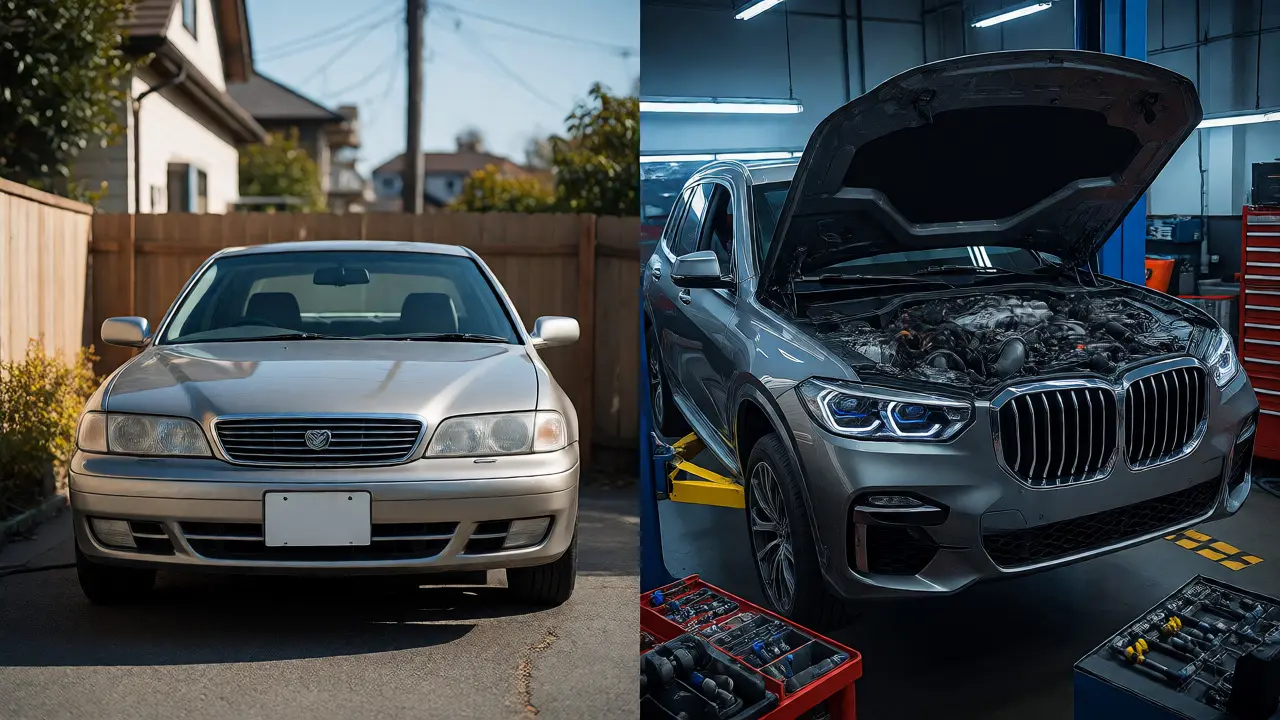
If you drive a Toyota Camry or Honda Civic with under 80,000 miles, you probably don’t need an extended warranty. These brands have legendary reliability, and major repairs are rare before 150,000 miles. You’d likely spend more on the contract than you would on actual repairs.
But consider a BMW X5 or a Land Rover Discovery. Luxury European vehicles have higher part costs and complex electronics. A single failed air suspension compressor can cost $1,200+. A failed transmission? Up to $6,000. In these cases, a $3,500 contract might save you thousands if one major component fails.
Ask yourself these three questions:
- Is my car prone to expensive electronic or turbocharger issues?
- Do I plan to keep this vehicle for another 3-5 years?
- Would a $2,000 unexpected repair hit my budget hard right now?
If you answered "yes" to all three, extended protection is worth investigating.
Manufacturer vs. Third-Party Warranties
You can buy an extended warranty directly from the automaker (CPO programs) or from third-party providers like Endurance, CARCHEX, or Olive.
Manufacturer-backed plans offer seamless service-you can go to any dealership nationwide. Claims are paid directly by the brand, meaning less friction. However, they are usually more expensive and may require you to stick with authorized dealerships.
Third-party contracts are often 20-30% cheaper and allow you to choose your own mechanic. But beware: some third-party companies are notorious for denying claims based on technicalities, like missed oil changes. Always check their Better Business Bureau rating and read recent customer reviews about claim processing speed.
The Fine Print: What Will Break Your Claim?
Warranties die by the fine print. Here are the most common reasons claims get denied:
- Maintenance Neglect: Most contracts require proof of regular oil changes and fluid checks. If you can’t produce receipts, they’ll deny the claim. Keep a dedicated folder for every service record.
- Pre-existing Conditions: If a noise existed before you bought the warranty, they won’t cover it. Get a pre-purchase inspection if possible.
- Modifications: Adding a cold-air intake or tuning your ECU can void the entire powertrain warranty.
- Commercial Use: Using a personal vehicle for Uber or delivery work often invalidates standard consumer warranties.
Read the "Claim Submission Process" section. Do you need prior authorization before fixing something? Who chooses the repair shop? Can you deduct your deductible ($100-$250 typical)? Knowing this beforehand prevents headaches later.

Alternatives to Buying a Warranty
Before signing a contract, consider self-insuring. Take the cost of the warranty ($3,000) and put it into a high-yield savings account earning 4-5% interest. After five years, you’ll have earned $600-$750 in interest alone. If your car doesn’t break down, you keep the principal plus interest. If it does, you have the cash ready.
This strategy works best for reliable cars. For unreliable ones, the risk of a sudden $5,000 bill outweighs the interest gains. There’s no shame in taking the gamble if you have emergency funds set aside.
Frequently Asked Questions
Does an extended warranty cover routine maintenance?
No. Standard vehicle service contracts do not cover routine maintenance like oil changes, tire rotations, brake pad replacements, or filter changes. Some premium plans offer optional maintenance packages for an extra fee, but these are rarely cost-effective compared to paying out of pocket.
Can I cancel a used car warranty if I sell the car?
Yes, most reputable providers allow cancellation. You’ll receive a pro-rated refund minus a small administrative fee (usually $50-$100). Some contracts are transferable to the next owner, which can increase your car’s resale value. Check your specific contract terms for transferability clauses.
Is it better to buy a warranty from the dealer or a third party?
Dealer warranties offer convenience and direct access to OEM parts and technicians, but at a higher price. Third-party warranties are cheaper and offer more flexibility in choosing repair shops, but carry a higher risk of claim disputes. Choose dealer options for luxury or complex vehicles; third-party options for mainstream brands with independent mechanics.
What happens if I miss an oil change?
Missing a scheduled maintenance interval can void your warranty claim. Providers argue that neglect caused the failure. Always keep detailed records of every service performed. If you’re late by a few days, call them immediately to document the situation, but strict adherence to intervals is the safest bet.
Are used car warranties tax-deductible?
For personal vehicles, no. However, if you use the vehicle primarily for business (over 50% business use), portions of the warranty cost may be deductible as a business expense. Consult a tax professional for advice specific to your situation and current IRS guidelines.