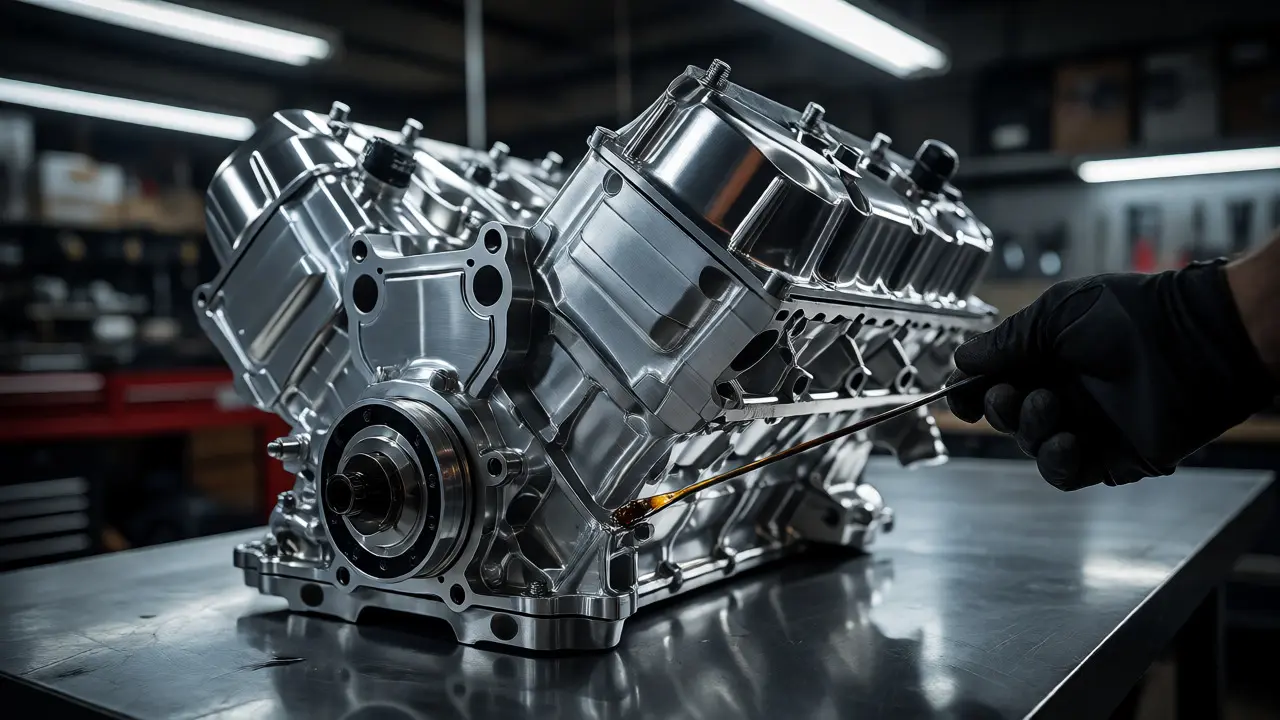
You bought the beast. It sits in your garage, gleaming under the fluorescent lights of your Portland workshop, promising thunderous acceleration and that unmistakable growl. But here is the hard truth nobody tells you at the dealership: owning a V8 or a V12 engine isn't just about driving fast; it's about maintaining precision. These aren't standard four-cylinder commuters. They are complex assemblies of hundreds of moving parts, operating under extreme thermal and mechanical stress. If you treat them like a Honda Civic, they will punish you with catastrophic failures that cost more than your down payment.
Most people think maintenance is just changing oil and tires. For high-displacement engines, that’s a dangerous oversimplification. The difference between a reliable daily driver and a stranded vehicle on I-5 often comes down to specific, proactive care routines. You need to understand the unique anatomy of these powerplants. Whether you’re running a classic Ferrari V12 or a modern Ford Coyote V8, the principles of longevity rely on respecting their engineering limits while maximizing their potential.
The Oil Change Myth: Why Standard Intervals Fail
Let’s bust the biggest myth first: the 7,500-mile oil change interval. That number was invented for economy cars with tight tolerances and synthetic blends designed for efficiency, not performance. In a V8 or V12, especially one that sees spirited driving, oil degrades faster. High RPMs shear the polymer chains in synthetic oils, reducing viscosity and protective capability long before the mileage counter hits five grand.
If you track your data logs, you’ll notice oil pressure dips slightly after aggressive highway runs. This is your clue. For performance vehicles, switch to a 3,000 to 4,000-mile interval if you drive hard. Use full synthetic oil with a higher ZDDP (Zinc Dialkyldithiophosphate) content. Modern "energy conserving" oils often strip out zinc to protect catalytic converters, but flat-tappet camshafts in older V8s need that zinc to prevent wear. Always check the API certification label. Look for SN Plus or SP ratings, which have been adjusted to protect against low-speed pre-ignition in turbocharged variants, common in modern BMW V8s and Mercedes AMG models.
Cooling Systems: The Silent Killer
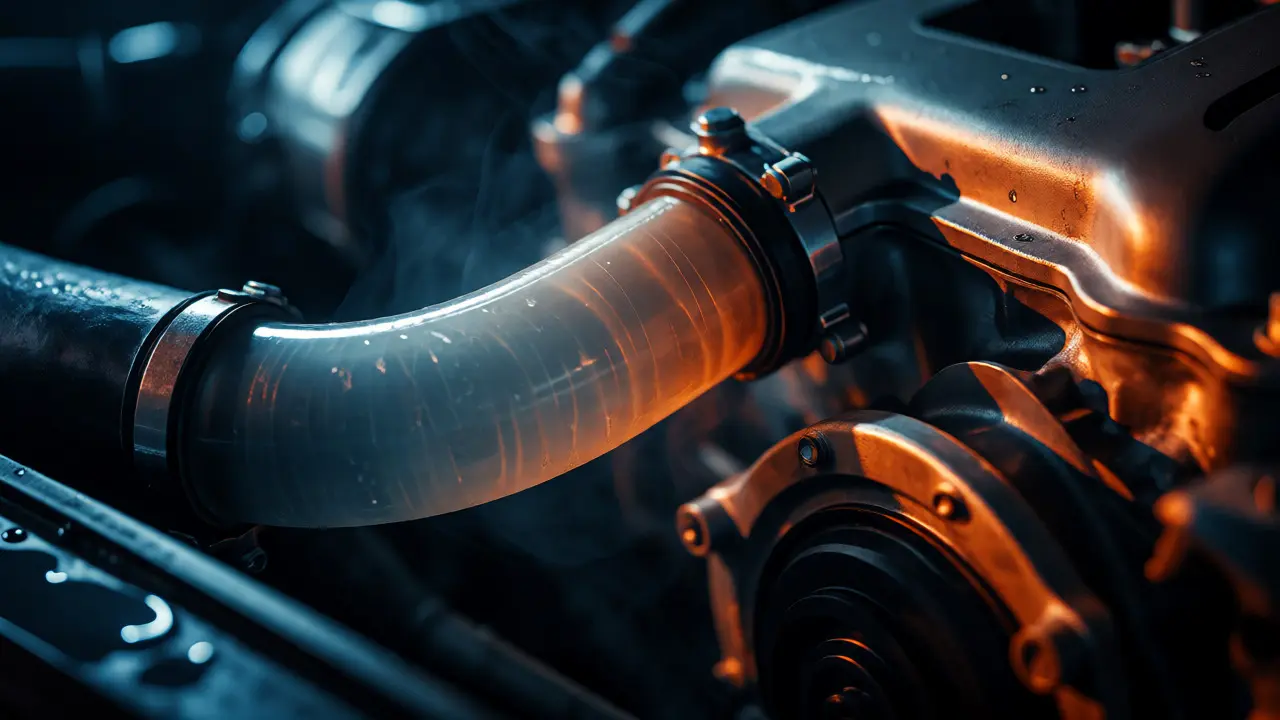
Heat is the enemy of every internal combustion engine, but large-displacement engines generate significantly more waste heat per cubic inch than smaller ones. A V12 has twelve pistons firing in rapid succession, creating a continuous wave of thermal energy. Your cooling system isn’t just keeping the engine from boiling; it’s managing the thermal expansion of aluminum blocks and heads.
Don’t wait for the temperature gauge to climb into the red zone. By then, you’ve already warped a head gasket. Inspect coolant hoses annually. Look for swelling or brittleness. Replace water pumps preemptively every 60,000 miles, even if they aren’t leaking yet. A failing impeller can cause localized hot spots that crack cylinder heads. Also, flush the coolant every two years. Old coolant loses its anti-corrosion additives, leading to electrolysis inside the radiator core. This creates tiny pinholes that leak slowly, dropping your fluid levels without obvious drips.
| Component | Standard Car Interval | High-Performance V8/V12 Interval | Why It Matters |
|---|---|---|---|
| Oil & Filter | 7,500 - 10,000 miles | 3,000 - 4,000 miles | Prevents sludge buildup and maintains film strength at high RPMs. |
| Spark Plugs | 60,000 - 100,000 miles | 30,000 - 40,000 miles | Misfires damage catalytic converters and reduce power output immediately. |
| Coolant Flush | 5 years | 2 years | Maintains corrosion inhibitors critical for aluminum components. |
| Valve Adjustment | N/A (Hydraulic) | Every 15k - 30k miles (if solid lifters) | Solid lifters require precise clearance checks to avoid valve burnout. |
Ignition Systems: Spark Plugs and Coils
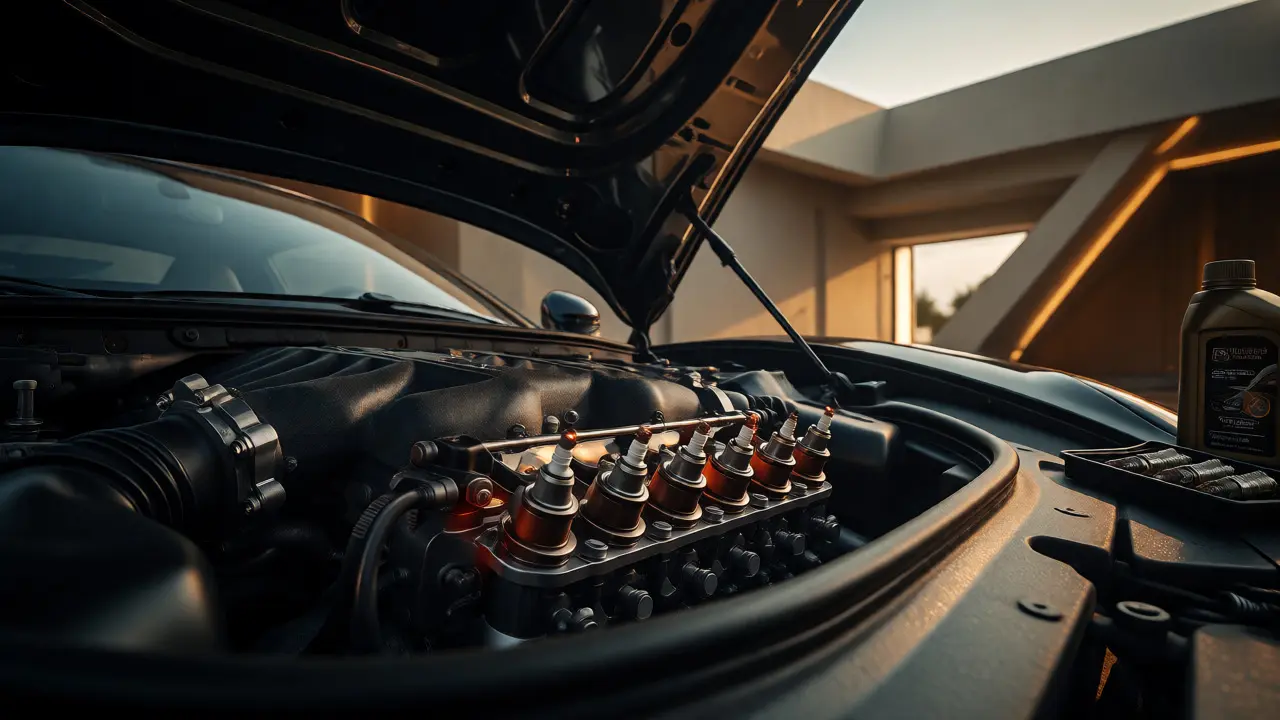
Twelve cylinders mean twelve chances for a misfire. One bad spark plug in a V12 doesn’t just make the car run rough; it dumps unburned fuel into the exhaust stream. That raw gasoline hits your expensive catalytic converter, overheating it and potentially melting the ceramic substrate. Replacing a cat costs thousands; replacing plugs costs hundreds.
Check your ignition coils too. Performance engines often use individual coil-on-plug setups. Heat cycles degrade the insulation on these coils over time. If you feel a slight hesitation during acceleration, don’t guess. Pull the codes. A P030X code indicates a specific cylinder misfire. Swap the coil from that cylinder to another known good one. If the error moves, the coil is dead. If it stays, inspect the plug gap and condition. Carbon fouling suggests rich running conditions, possibly from leaking injectors or a faulty oxygen sensor.
Induction and Airflow: Breathing Easy
A big engine needs big air. Your intake system filters contaminants, but performance filters can sometimes restrict flow if they get dirty. Unlike standard paper filters, reusable cotton gauze filters (like K&N) require cleaning and re-oiling. Too much oil coats the Mass Air Flow (MAF) sensor, causing inaccurate readings. The ECU then miscalculates fuel delivery, leaning out the mixture and raising combustion temperatures.
Clean your MAF sensor with dedicated electronics cleaner every 15,000 miles. Never touch the wire element with your fingers. Oils from your skin insulate the wire, preventing it from heating up correctly. Check your throttle body for carbon buildup. Direct-injection engines, common in modern V8s, bypass the valves, so no fuel washes away the carbon deposits on the intake ports. Periodic walnut blasting might be necessary to restore airflow efficiency.
Transmission and Drivetrain Health
All that horsepower goes nowhere if it doesn’t reach the wheels. High-torque engines put immense stress on transmissions. Automatic transmissions in performance cars often lack dipsticks, making fluid level checks difficult. Rely on scan tools to monitor transmission fluid temperature. If it exceeds 220°F regularly, install an auxiliary cooler. Overheated transmission fluid breaks down rapidly, losing hydraulic pressure and causing slip.
For manual transmissions, check the clutch fluid reservoir. Low fluid means a soft pedal and incomplete disengagement, grinding gears when shifting. Rear differentials also need attention. Limited-slip differentials (LSD) require friction modifiers in the gear oil. Using standard GL-5 oil without the additive can cause chatter during turns and premature wear of the clutch packs inside the diff.
Common Pitfalls to Avoid
- Ignoring Warm-Up Procedures: Cold starts are where most wear occurs. Oil drains back to the pan overnight. Let the engine idle for 30 seconds to circulate oil before revving. Drive gently until the oil temperature reaches 180°F, not just the coolant temperature.
- Using Cheap Parts: Aftermarket sensors often fail prematurely. Stick to OEM or premium brands like Bosch, Denso, or NGK for ignition components.
- Skipping Fuel System Cleaners: Ethanol-blended fuels attract moisture. Add a quality fuel stabilizer if the car sits for more than two weeks. This prevents phase separation and injector corrosion.
Frequently Asked Questions
How often should I change the oil in a V8 or V12?
For high-performance driving, change the oil every 3,000 to 4,000 miles. Even with synthetic oil, high RPMs cause shear breakdown of the polymers. If you only drive gently, you can stretch this to 5,000 miles, but never exceed the manufacturer's maximum recommendation without checking oil condition visually.
Do I really need to adjust valves on my performance engine?
If your engine has solid lifters, yes. Most modern performance V8s use hydraulic lash adjusters, which self-compensate. However, many exotic V12s and older muscle cars use solid lifters. These require periodic adjustment (often called a valve job) to maintain proper clearance, ensuring valves seal correctly and do not burn due to excessive heat transfer issues.
What happens if I ignore a small coolant leak?
Small leaks lead to low coolant levels, which introduces air pockets into the system. Air does not transfer heat well, causing localized hot spots. In aluminum engines, this can warp cylinder heads within months. Repair leaks immediately to avoid costly head gasket replacements or cracked blocks.
Is premium fuel actually necessary for V8s and V12s?
Yes. High-compression engines require higher octane ratings (91+ or 93+) to prevent knocking. Knocking causes uneven combustion pressures that can crack pistons or bend connecting rods. Using regular gas in a high-compression V12 forces the ECU to retard timing, significantly reducing power and efficiency.
How do I know if my spark plugs need replacing?
Look for symptoms like rough idling, hesitation during acceleration, or decreased fuel economy. Visually, inspect the electrode for erosion or white blistering, which indicates overheating. Black soot suggests a rich mixture. Replace them proactively every 30,000 miles to prevent damage to ignition coils and catalytic converters.
Owning a V8 or V12 is a privilege, but it demands respect. These engines reward meticulous care with decades of reliable performance. Don’t let laziness or ignorance turn your dream car into a money pit. Stay on top of fluids, listen to the sounds, and address small issues before they become major repairs. Your future self-and your wallet-will thank you.