You’re cruising down the highway when your car suddenly jerks, refuses to shift into overdrive, or slips out of gear entirely. Most drivers immediately panic, assuming the worst: a blown transmission. But before you start budgeting for a $4,000 replacement, there’s a specific component that is often the real culprit. It’s called the valve body assembly, and it acts as the command center for your automatic transmission system. If this part fails, your transmission has no brain to tell its muscles what to do.
Understanding how this component works saves you from unnecessary repairs. A valve body isn’t just a random collection of metal parts; it’s a precision-engineered hydraulic control unit. When it wears out, replacing it costs significantly less than rebuilding the entire transmission. Here is exactly what it does, why it breaks, and how to spot the trouble early.
What Exactly Is a Valve Body?
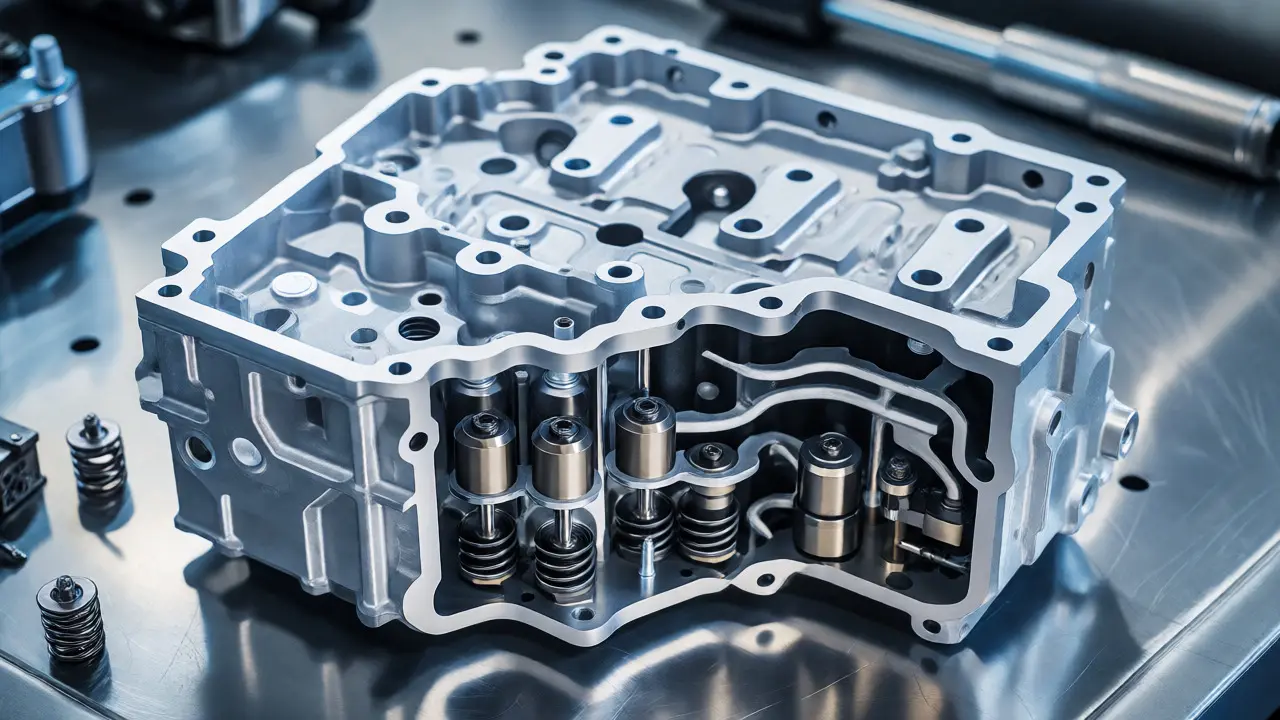
Think of your transmission like a human body. The gears are the bones, the torque converter is the heart pumping blood (fluid), and the valve body is the brain and nervous system combined. It is a complex maze of channels, passages, valves, and springs located inside the transmission pan. Its primary job is to direct pressurized transmission fluid to the correct clutches and bands at the exact right moment.
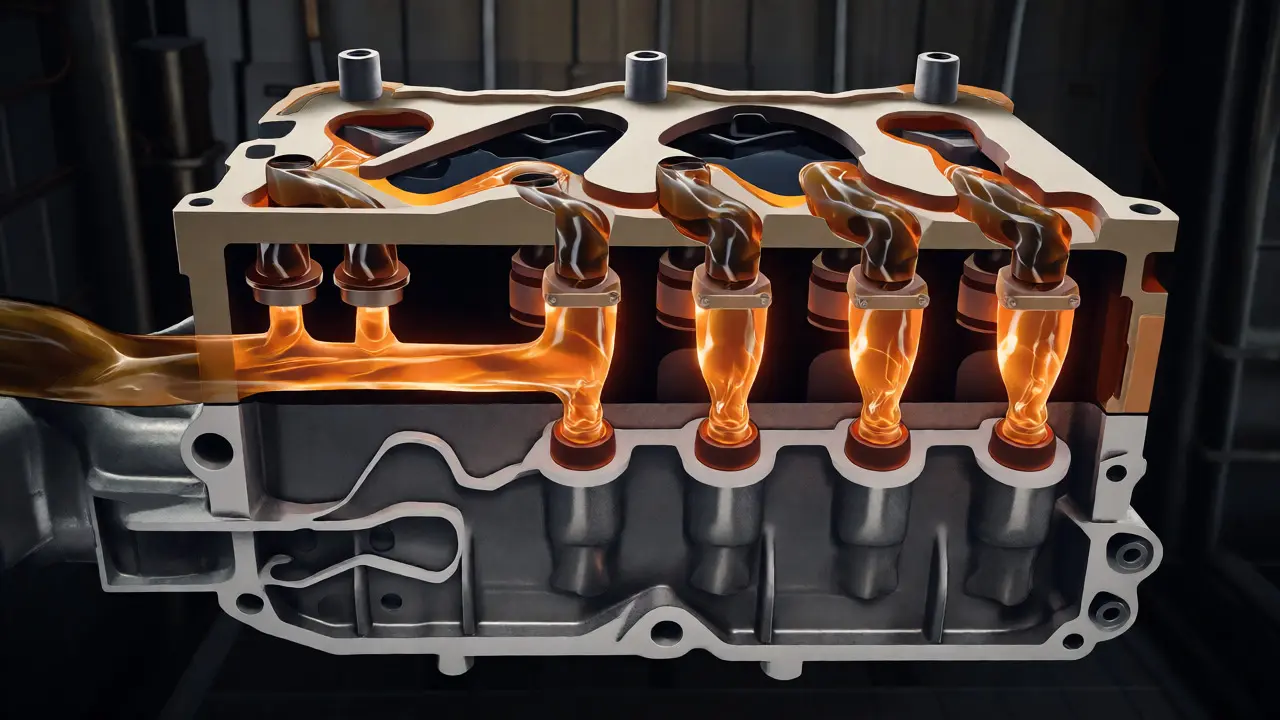
When you accelerate, the transmission needs to know which gear to engage. It doesn’t decide this on its own. Instead, sensors send data to the Transmission Control Module (TCM). The TCM then sends electrical signals to solenoids mounted on the valve body. These solenoids open and close tiny gates, allowing hydraulic pressure to flow through specific channels in the valve body. This pressure pushes pistons that squeeze clutch packs together, locking certain gears into place.
Without a functioning valve body, the hydraulic pressure goes nowhere or goes everywhere at once. You might get third gear but lose second, or the car might stay stuck in limp mode. It’s a mechanical puzzle where one wrong move disrupts the entire chain reaction.
The Anatomy of the Assembly
To grasp why repairs can be tricky, you need to look under the hood of this component. A modern valve body assembly typically consists of three main layers bolted together:
- The Lower Valve Body: This is the base plate containing the main hydraulic circuits. It houses the manual valve (which connects to your shifter) and the accumulator valves that smooth out shifts.
- The Upper Valve Body: Often called the separator plate, this layer contains the intricate network of drilled holes and channels that route fluid between the lower body and the upper components.
- The Solenoid Pack: This is the electronic interface. It includes linear solenoids (for variable pressure control) and on/off solenoids (for simple gate opening). Modern units may have 10 to 15 different solenoids.
The precision here is staggering. The gaps between the valves and their bores are measured in thousandths of an inch. If debris gets trapped in these tight tolerances, the valve sticks. A stuck valve means constant pressure on a clutch pack, leading to burnout, or zero pressure, causing slip.
Common Symptoms of a Failing Valve Body
How do you know if the problem is the valve body versus a worn-out gear set? The symptoms are distinct because they relate to control rather than pure mechanical strength. Here is what to listen and feel for:
| Symptom | Likely Valve Body Issue | Likely Mechanical Issue |
|---|---|---|
| Harsh or Delayed Shifts | Stuck shift valve or failing pressure regulator solenoid. | Worn clutch plates or broken synchronizers. |
| Transmission Slipping | Leaking seal or clogged passage preventing full pressure. | Burnt friction material on clutch discs. |
| Limp Mode (Only 2nd or 3rd Gear) | Electronic solenoid failure or sensor misreading by TCM. | Broken internal band or shaft. |
| Fluid Leaks | Cracked valve body casting or failed gasket/seal. | Rear main seal or pan gasket leak. |
A classic sign is erratic shifting. One day the upshift feels normal, the next it slams into fourth gear. This inconsistency points to a sticking valve or a solenoid that is intermittently losing contact. Mechanical wear usually progresses steadily-it gets worse over time, not back and forth.
Why Do Valve Bodies Fail?
Most people assume these parts fail due to age. While true, the root cause is almost always contamination. Automatic transmission fluid (ATF) is designed to last, but it degrades. As the transmission operates, tiny particles of metal and friction material shed from gears and clutches circulate in the fluid.
Over years, this debris accumulates. Some passes through the filter, but fine particles remain suspended. Eventually, these particles lodge in the microscopic clearances of the valve body spool valves. Once a valve sticks, it cannot return to its neutral position. This causes continuous pressure application, overheating the local area and burning more clutch material, which creates more debris. It’s a vicious cycle.
Another major killer is heat. Valve bodies are made of aluminum alloy in many modern cars. Aluminum expands when hot. If the transmission runs hot regularly, the expansion can distort the mating surfaces between the valve body and the transmission case, causing internal leaks. Even a leak of 5% in hydraulic efficiency can make shifts feel mushy.
Repair Options: Rebuild, Replace, or Remanufacture?
If your mechanic diagnoses a valve body issue, you generally have three paths. Each has different cost implications and reliability profiles.
- Rebuild: This involves removing the valve body, disassembling it completely, cleaning every passage with solvent, inspecting each valve for wear, and replacing all seals and gaskets. It’s labor-intensive. If the original castings are warped or scored, a rebuild might not fix the problem permanently. Cost: Moderate ($500-$900).
- Remanufactured Unit: You buy a pre-built unit from a supplier. They have already cleaned, machined, and tested it. This is the most common route for DIYers and independent shops. Quality varies wildly by brand. Stick to reputable manufacturers who use OEM-spec components. Cost: High ($800-$1,500 for parts alone).
- New OEM Part: Buying a brand-new valve body directly from the dealer. This ensures perfect fit and function but comes with the highest price tag. For some luxury or imported vehicles, this is the only option if remanufactured cores aren’t available. Cost: Very High ($1,200-$2,500+).
Pro Tip: Always replace the transmission filter and pan gasket when doing valve body work. Never reuse the old filter. It’s cheap insurance against future contamination.
The Importance of Fluid and Calibration
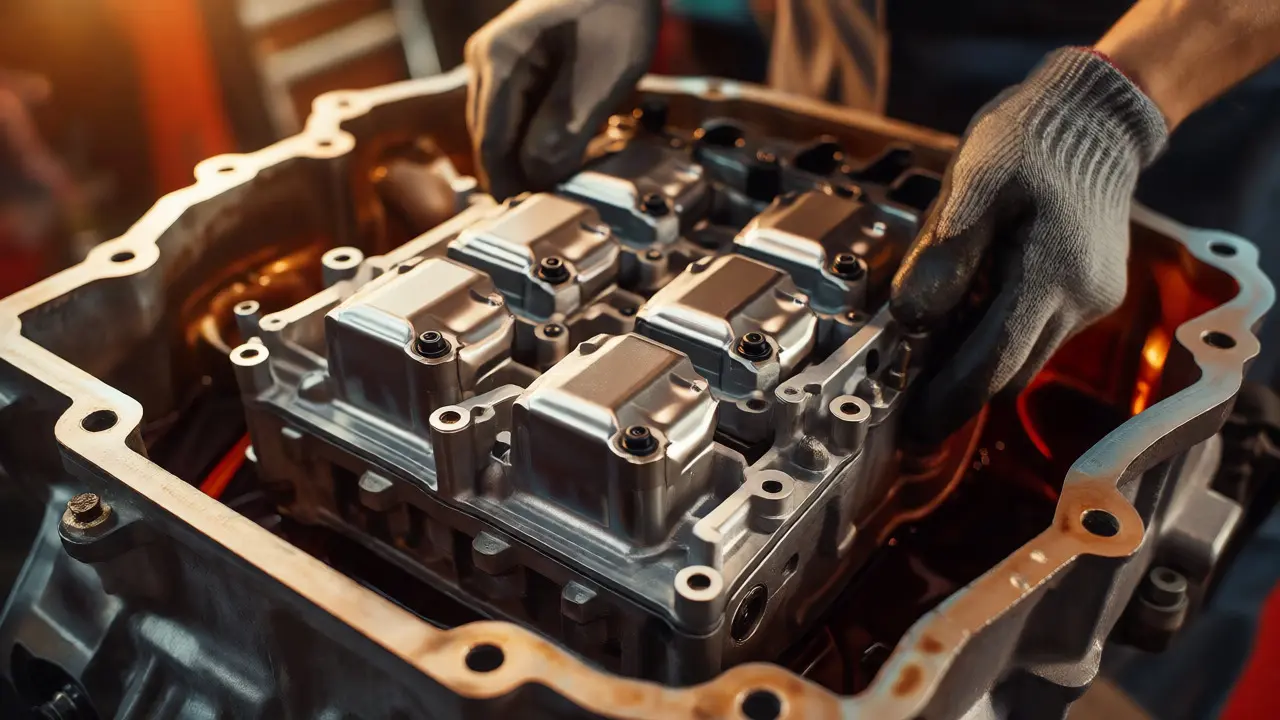
Installing a new valve body isn’t just a bolt-on job. Two critical steps often get skipped, leading to premature failure.
First, fluid compatibility. Modern transmissions require specific ATF types (like Dexron VI, Mercon LV, or proprietary CVT fluids). Using the wrong fluid can swell seals or alter viscosity, causing the new valve body to operate outside its design parameters. Check your owner’s manual religiously.
Second, adaptive learning reset. Modern transmissions use software to learn your driving style. When you install a new valve body, the old adaptation values stored in the TCM are invalid. You must perform a "quick learn" procedure using a scan tool. If you skip this, the transmission may shift roughly until the computer relearns the timing, which can take hundreds of miles. In some cases, incorrect calibration causes the new part to fail within weeks.
Maintenance Tips to Extend Life
You can’t prevent wear forever, but you can delay it significantly. Treat your transmission like a high-performance engine.
- Change Fluid Regularly: Ignore the "lifetime fluid" marketing claim. Change it every 60,000 miles. Fresh fluid carries fewer abrasive particles.
- Install an Auxiliary Cooler: If you tow heavy loads or drive in stop-and-go traffic, add an external oil cooler. Keeping fluid temps below 175°F dramatically extends valve life.
- Use Quality Filters: Aftermarket filters sometimes have weaker media. Use OEM or high-quality equivalents that trap smaller particles.
By keeping the fluid clean and cool, you keep the hydraulic pathways clear. A clean valve body is a happy valve body.
Can I drive with a bad valve body?
It depends on the severity. If the car is in limp mode, you can usually drive short distances to a shop. However, if you experience slipping or harsh slamming shifts, stop driving immediately. Continued operation can destroy clutch packs and gears, turning a $800 valve body repair into a $3,000 transmission rebuild.
Is it cheaper to rebuild or replace a valve body?
Replacing with a remanufactured unit is often cheaper and faster for professional shops because it reduces labor time. Rebuilding requires skilled technicians to diagnose individual valve wear. For DIYers, buying a remanufactured unit is safer since it comes pre-tested and sealed.
Do all automatic transmissions have a valve body?
Yes, any traditional planetary-gear automatic transmission uses a valve body to manage hydraulic pressure. Continuously Variable Transmissions (CVTs) also use valve bodies, though their design focuses on controlling pulley ratios rather than discrete gear shifts. Dual-clutch transmissions (DCTs) often use mechatronic modules instead, which combine valve body functions with electronics in a sealed unit.
How long does a valve body last?
With proper maintenance, a valve body should last the life of the vehicle, often exceeding 150,000 miles. Neglect, such as skipping fluid changes or towing without adequate cooling, can cause failures as early as 80,000 miles.
What causes transmission fluid to turn dark?
Dark brown or black fluid indicates oxidation and burnt friction material. This is a red flag for valve body contamination. The debris in the dirty fluid is likely clogging the small passages in the valve body, leading to sticking valves and poor shift quality.