
You know the feeling. A critical truck is down, and the root cause is a known defect covered by an Original Equipment Manufacturer (OEM) warranty or safety recall. But instead of getting it fixed immediately, you’re stuck in a loop of paperwork, waiting for parts that aren’t on the shelf, and arguing with a service advisor who doesn’t understand your fleet’s downtime costs. For small businesses, this is annoying. For fleets with fifty or more vehicles, it’s a profitability killer.
The gap between what the manufacturer promises and what the local dealer delivers is often where fleet managers lose money. It’s not usually about the repair itself; it’s about the coordination. How do you ensure that when a Vehicle Identification Number (VIN) triggers a recall notice, the vehicle actually gets serviced before the next inspection? How do you claim warranty labor rates that match your contract, rather than the dealer’s inflated retail rate? This article breaks down how to bridge that gap, turning dealer relationships from a bottleneck into a strategic asset.
The Hidden Costs of Poor Warranty Coordination
Most fleet managers track mileage and fuel efficiency religiously. But how many track "days lost to warranty processing"? If a part fails under warranty, the cost of the part might be zero, but the cost of the delay isn’t. Consider a delivery van out of service for three days because the dealer couldn’t verify coverage or locate a specific sensor. That’s three days of lost revenue, plus overtime for other drivers covering routes, plus administrative hours spent chasing updates.
Dealers are incentivized differently than fleets. Their primary goal is customer satisfaction for individual buyers and maximizing shop throughput. They don’t always prioritize fleet accounts unless those accounts have significant volume leverage. When you treat warranty work as just another ticket, you compete with every other customer for bay space. Effective coordination means treating warranty and recall events as high-priority logistics challenges, not just mechanical repairs.
There is also the risk of non-compliance. Missed recalls can lead to liability issues if an accident occurs due to a known defect. The National Highway Traffic Safety Administration (NHTSA) tracks these aggressively. If your fleet misses a recall window because the dealer didn’t notify you properly, you own that risk. Proper coordination ensures that compliance is documented, auditable, and timely.
Building the Foundation: Data and Documentation
You cannot coordinate what you cannot see. The first step in streamlining warranty and recall handling for fleets is centralizing data. Many fleets still rely on emails from dealers or paper invoices scattered across file cabinets. This creates blind spots.
Your system needs to track specific attributes for every event:
- VIN and Asset Tag: The unique identifier linking the physical vehicle to its digital record.
- Odometer Reading at Failure: Critical for verifying warranty eligibility.
- Failure Date vs. Repair Date: Tracks the duration of downtime.
- Claim Number: The reference number provided by the OEM for audit trails.
- Parts Availability Status: Was the part in stock, backordered, or substituted?
If you use a Fleet Management System (FMS), integrate it with your dealer’s portal if possible. Some major OEMs offer direct integration where claims are submitted digitally. If not, standardize your invoice format. Require dealers to include the claim number and failure code on every invoice. Without this data, you can’t prove which dealers are efficient and which are dragging their feet.
Navigating the Dealer Relationship
Not all dealers are created equal, even within the same brand. One location might have a dedicated fleet manager who understands priority scheduling, while another treats your trucks like afterthoughts. You need to identify and cultivate relationships with dealers who value fleet business.
Start by evaluating potential partners based on three criteria:
- Fleet Support Infrastructure: Do they have a dedicated fleet service advisor? Do they offer mobile service options for minor recalls?
- Parts Inventory Depth: Ask about their stocking policies for common wear items and known defective parts related to recent recalls.
- Billing Transparency: Are they willing to pre-approve labor rates? Do they submit clean, detailed claims?
Once you’ve selected your primary dealers, negotiate a Service Level Agreement (SLA). This isn’t just a handshake deal. Put it in writing. Specify response times for diagnostic appointments, turnaround times for common repairs, and escalation procedures for delays. For example, agree that any vehicle down for more than 48 hours triggers a mandatory status update call from the service manager.
Communication is key. Assign a single point of contact on your side for each dealer account. This prevents confusion and builds rapport. When the service advisor knows exactly who to call, decisions happen faster. Regular quarterly reviews with your top dealers help keep these relationships healthy. Review metrics like average repair time, claim denial rates, and customer satisfaction scores together.

Mastering the Claims Process
Warranty claims are denied more often than you think. Common reasons include missing documentation, incorrect odometer readings, or failure codes that don’t match the reported symptom. To reduce denials, you need to control the input data.
When a driver reports an issue, capture as much detail as possible before the vehicle hits the shop. Photos of the dashboard warning lights, notes on driving conditions, and timestamps can save hours of diagnostic time. Provide this information to the dealer upfront. It helps them diagnose the problem correctly the first time, which increases the likelihood of a successful claim.
Understand the difference between Powertrain Warranty coverage and bumper-to-bumper coverage. Misunderstanding these terms leads to disputes. Ensure your fleet team knows what is covered and what isn’t. Also, be aware of extended warranties or service contracts. These often have different rules regarding authorization. Always get prior approval for repairs exceeding a certain dollar threshold, typically $500 or $1,000, depending on your policy.
Track denial reasons meticulously. If a specific dealer has a high denial rate, investigate why. Is it sloppy paperwork? Lack of technical training? Use this data to provide feedback or switch providers. Every denied claim is wasted labor and potential lost revenue.
Proactive Recall Management
Recalls are different from standard warranty repairs because they are mandated by law. However, execution varies wildly. Some dealers proactively check VINs against open recalls during routine maintenance. Others wait for you to ask. Don’t wait.
Implement a proactive recall audit process. Once a quarter, pull a list of all active recalls for your fleet’s make and model years from the NHTSA database. Cross-reference this with your vehicle records. Identify any vehicles with open recalls that haven’t been addressed. Schedule these appointments in batches. Grouping vehicles by recall type allows the dealer to order parts in bulk, reducing costs and wait times.
Consider using telematics to assist here. Modern fleet tracking systems can alert you when a vehicle enters a geofence near a dealer, prompting a reminder to check for outstanding recalls. While not perfect, it adds a layer of automation to the process.
| Metric | Reactive Approach | Proactive Approach |
|---|---|---|
| Notification Source | Dealer mailer or driver report | Internal audit + NHTSA database |
| Scheduling Efficiency | Low (ad-hoc appointments) | High (batched scheduling) |
| Parts Availability | Unpredictable | Pre-ordered in bulk |
| Downtime Risk | High (wait for parts) | Low (scheduled with parts on hand) |
| Compliance Audit Trail | Fragmented | Centralized and verifiable |
Leveraging Technology for Visibility
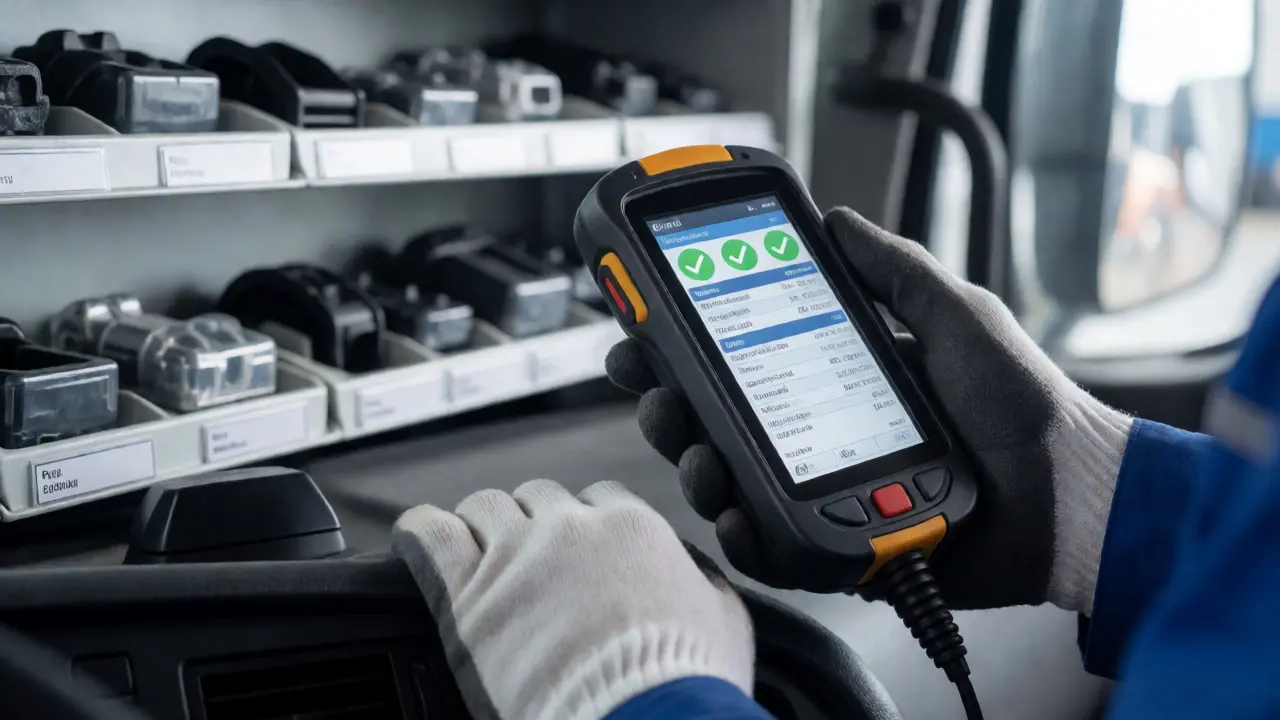
Spreadsheets break down when you scale past twenty vehicles. At that point, manual tracking becomes error-prone. Specialized fleet software can automate much of the warranty and recall workflow. Look for platforms that offer:
- Automated Claim Tracking: Integration with OEM portals to monitor claim status in real-time.
- Recall Alerts: Automatic notifications when new recalls affect your specific VINs.
- Cost Analysis: Reports showing total cost of ownership including warranty credits and denied claims.
- Document Storage: Central repository for invoices, photos, and correspondence.
Even if you don’t buy expensive software, free tools exist. Many OEMs provide online owner portals where you can register vehicles and view service history. Encourage your team to use these regularly. The visibility alone can prevent missed deadlines.
Remember, technology is only as good as the data entered. Garbage in, garbage out. Train your staff to enter accurate odometer readings and failure descriptions. Automate reminders for follow-ups on pending claims. Set up alerts for vehicles approaching warranty expiration dates so you can perform a final comprehensive inspection before coverage ends.
Measuring Success: Key Performance Indicators
How do you know if your coordination efforts are working? Track these KPIs:
- Average Time to Repair (TTR): Measure from drop-off to pick-up for warranty jobs.
- Claim Denial Rate: Percentage of submitted claims rejected by the OEM.
- Recall Completion Rate: Percentage of affected vehicles serviced within the recommended timeframe.
- Net Warranty Cost: Total repair costs minus warranty reimbursements.
Trend these numbers over time. If TTR increases, talk to your dealer. If denial rates spike, review your documentation process. Use this data to negotiate better terms during annual contract renewals. Dealers respect partners who bring data to the table.
Finally, remember that warranty and recall handling isn’t just about fixing cars. It’s about maintaining trust-with your drivers, who rely on safe equipment, and with your customers, who expect reliable service. By taking control of the coordination process, you turn a reactive chore into a strategic advantage.
What happens if a dealer refuses to honor a valid warranty claim?
First, request the specific reason for denial in writing. Often, it’s a simple coding error. If unresolved, escalate to the dealer’s General Manager. If that fails, contact the OEM’s fleet support line directly. Most manufacturers have arbitration processes for fleet accounts. Keep all documentation, including photos and diagnostic reports, to support your case.
Do I need to use the dealership for all warranty repairs?
For most powertrain and structural warranties, yes, OEM certification is required. However, some manufacturers allow independent shops to perform certain services if they use OEM parts and follow specified procedures. Check your specific warranty terms. Using independent shops for minor recalls can sometimes save time, but verify coverage first.
How can I speed up parts availability for recalls?
Batch your requests. Instead of ordering one part per vehicle, group vehicles needing the same recall part and schedule them together. Inform the dealer’s parts department in advance. Building a relationship with the parts manager can also help; they may allocate stock from incoming shipments specifically for your fleet.
What is the best way to track open recalls?
Use the NHTSA website to search by VIN for authoritative data. Supplement this with your fleet management software’s recall module if available. Conduct quarterly audits comparing your records against NHTSA data to catch any discrepancies early.
Does regular maintenance void my warranty?
No, federal law (Magnuson-Moss Warranty Act) protects consumers from having warranties voided solely for using independent service providers, provided they use appropriate parts and fluids. However, failing to maintain the vehicle according to the schedule can void coverage for related failures. Keep detailed records of all independent maintenance.