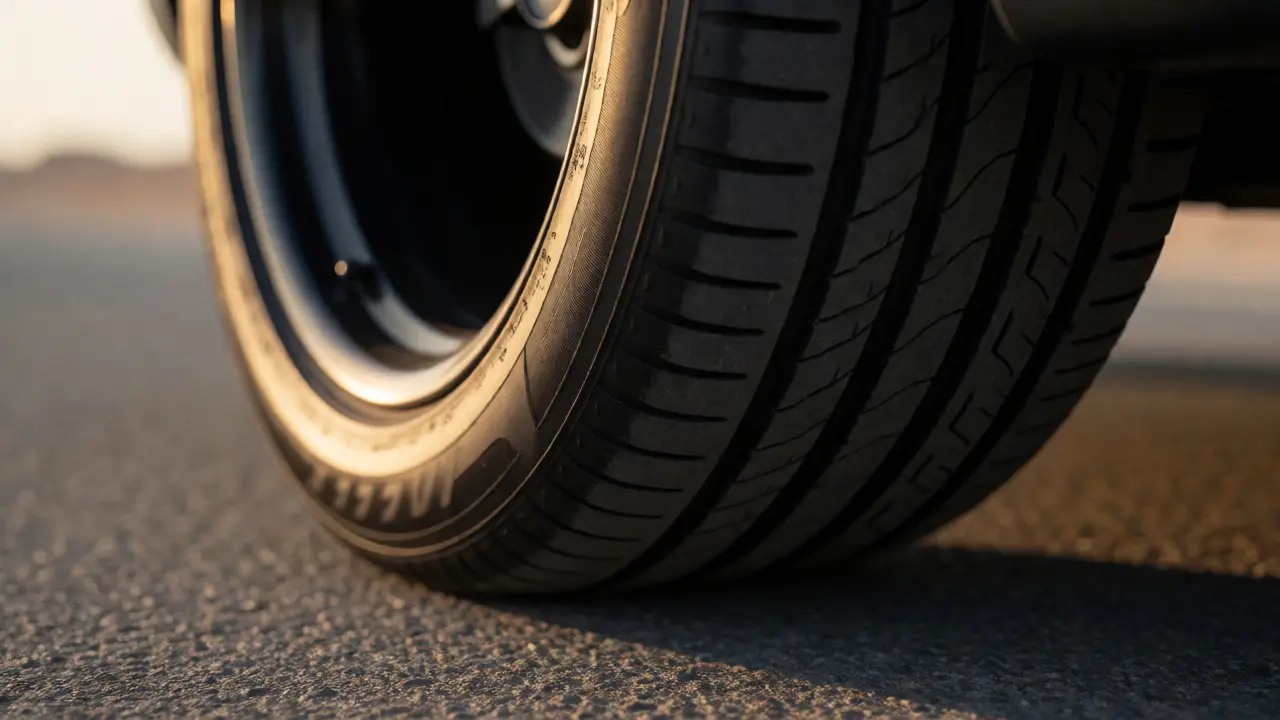
You’re driving down the highway, and suddenly your steering wheel isn’t straight anymore. Or maybe you notice a weird humming noise that gets louder as you speed up. Before you panic about a blown engine or a broken transmission, check one simple thing: your wheel alignment is likely off. It’s not just a minor inconvenience; it’s a direct threat to your wallet and your safety. Misalignment doesn’t just make your car feel "off"-it shreds your tires unevenly and makes handling unpredictable, especially in wet conditions.
Most drivers ignore alignment until they see their tires looking like cheese graters. But by then, you’ve already wasted money on rubber that should have lasted twice as long. Understanding how alignment works helps you spot the signs early, save hundreds of dollars, and keep your car glued to the road. Let’s break down exactly what happens when your wheels aren’t aligned and why it matters more than most mechanics tell you.
What Exactly Is Wheel Alignment?
Think of wheel alignment as the geometry of your suspension system. It’s not about balancing the tires (that’s a different service entirely); it’s about adjusting the angles of the wheels so they meet the road at the correct angle. When manufacturers design a car, they set specific angles for each wheel to ensure stability, comfort, and efficiency. Over time, hitting potholes, curb strikes, or even normal wear and tear shifts these angles out of spec.
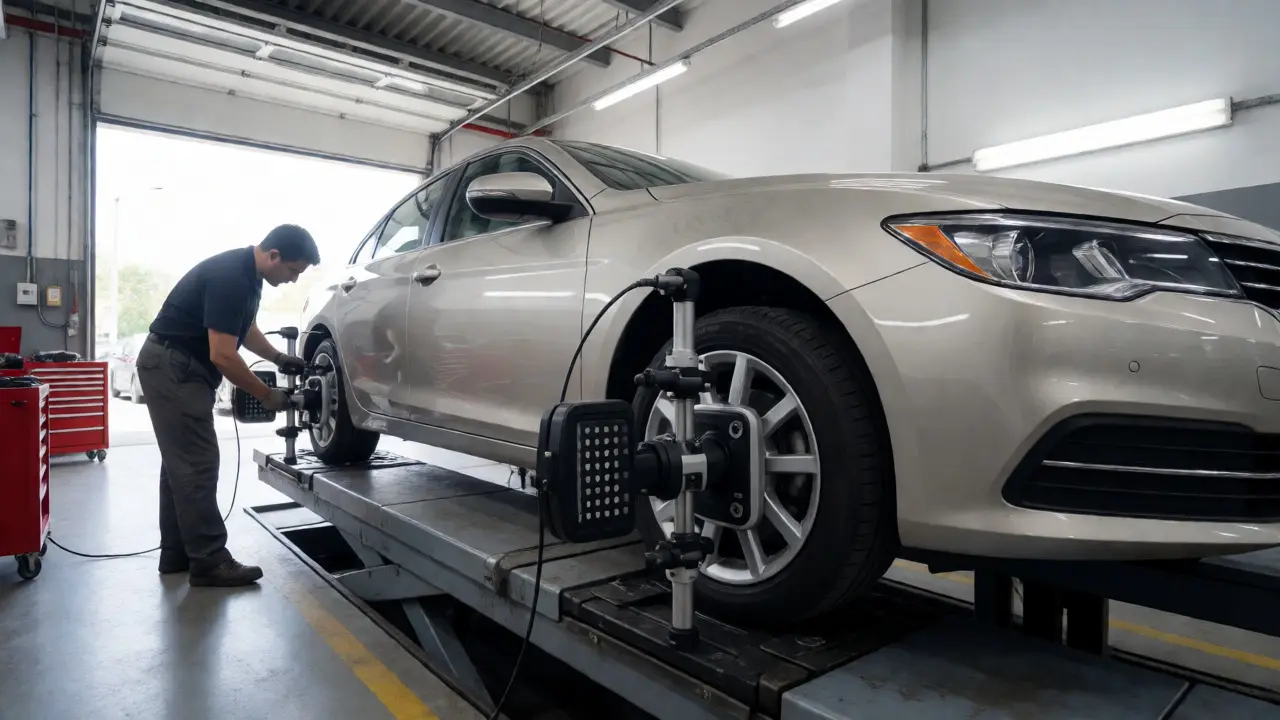
The core concept here involves three main measurements: Camber, the inward or outward tilt of the top of the tire, Toe, the direction the front of the tires point relative to each other, and Caster, the angle of the steering axis from vertical. If any of these are wrong, your car behaves differently. You don’t need to be an engineer to understand this, but you do need to know that these angles interact. Change one, and you often affect the others. That’s why proper alignment requires specialized equipment, not just a wrench and a guess.
The Three Angles That Control Your Drive
To grasp the impact on tire wear, you have to look at each angle individually. They each play a distinct role in how your vehicle interacts with the pavement.
- Camber: This is the tilt of the wheel when viewed from the front. Positive camber means the top tilts outward; negative camber means it tilts inward. Most modern cars use slight negative camber for better cornering grip. However, if the camber is too negative, the inner edge of your tire will wear down rapidly while the outer edge stays fresh. It looks like the tire is leaning into the turn even when you’re driving straight.
- Toe: This is the most critical factor for tire life. Toe-in means the fronts of the tires point slightly toward each other. Toe-out means they point away. Even a tiny deviation-like 1/32 of an inch-can cause massive scrubbing against the road surface. Imagine dragging your feet sideways while walking; that’s what misaligned toes do to your rubber. This causes a feathered wear pattern where the tread blocks feel sharp on one side and smooth on the other.
- Caster: This affects steering returnability and high-speed stability. It’s harder to adjust on many modern vehicles because it’s often fixed by the suspension design. Bad caster won’t necessarily chew up your tires quickly, but it will make the steering feel vague or cause the car to wander across lanes without you touching the wheel.
How Misalignment Destroys Tires
Tire replacement is expensive. A set of four quality tires can cost anywhere from $400 to over $1,500 depending on your vehicle. Proper alignment extends tire life significantly. When wheels are misaligned, they don’t roll smoothly; they drag, scuff, and scrub against the asphalt.
| Wear Pattern | Likely Cause | Visual Indicator |
|---|---|---|
| Inner Edge Wear | Excessive Negative Camber | Tire looks bald on the inside shoulder, good on outside |
| Outer Edge Wear | Positive Camber or Suspension Damage | Tire worn heavily on the outer rim area |
| Feathered Edges | Incorrect Toe Settings | Ribs feel sharp running one way, smooth the other |
| Center Wear | Under-inflation (Not Alignment) | Middle of tread is worn, edges are intact |
Notice that center wear is usually inflation-related, not alignment. This distinction saves you from paying for an alignment when you just need air. However, feathered edges are almost exclusively a toe problem. Once that feathering starts, it accelerates. The irregular surface creates vibration, which loosens suspension components further, leading to worse alignment. It’s a vicious cycle that ends with premature tire failure.

Impact on Vehicle Handling and Safety
Beyond the financial hit, misalignment compromises control. Have you ever had to fight the steering wheel to keep your car in its lane? That’s often a sign of improper caster or severe toe-out. The car wants to go where the wheels are pointing, not where you want them to go.
In emergency situations, this lag can be dangerous. If your alignment is off, your response time during evasive maneuvers increases because the tires aren’t gripping optimally. During wet weather, hydroplaning risk rises because the tire contact patch isn’t flat against the water. You might also experience pulling, where the car drifts left or right on a straight, level road. While some pull is normal due to road crown (roads slope for drainage), significant pull indicates mechanical issues.
Steering wheel position is another key indicator. If your wheels are straight but the steering wheel is crooked, your toe settings are mismatched between left and right sides. This forces you to drive with hands turned, causing fatigue on long trips and reducing precision when you need to react quickly.
When Should You Get Checked?
Many shops recommend alignment every 6,000 miles or with every oil change. That’s a solid rule of thumb, but real-world triggers matter more. Here are the concrete signs you need an inspection immediately:
- New Tires Installed: Always align before mounting new tires. Otherwise, you’ll destroy the new investment within months.
- Suspension Repairs: Replacing shocks, struts, control arms, or tie rods changes geometry. Post-repair alignment is mandatory.
- Hitting a Curb or Pothole: A hard impact can bend components instantly. Don’t wait for the noise; get it checked.
- Uneven Wear Detected: Run your hand over the tread. If it feels rough in one direction, schedule an appointment.
- Steering Vibration: While often related to balance, persistent vibration at certain speeds can indicate alignment-induced stress on bearings.
Ignoring these signs leads to cascading failures. Worn tires put extra load on wheel bearings and CV joints. Eventually, those parts fail too, turning a $100 alignment job into a $500 repair bill.
The Cost-Benefit Analysis
An alignment typically costs between $75 and $150. Compare that to replacing two tires ($200-$400) plus potential suspension repairs. The math is simple. Regular checks pay for themselves through extended tire life alone. Plus, properly aligned cars often see slight fuel efficiency improvements because rolling resistance decreases. It’s not huge savings per gallon, but over thousands of miles, it adds up.
Don’t fall for the "lifetime alignment" trap sold by some quick-lube places. Suspension bushings age and sag. Geometry changes dynamically as springs compress under load. Static alignment at rest doesn’t always reflect dynamic performance. Look for shops that perform a four-wheel alignment, especially if you have all-wheel-drive or independent rear suspension. Front-end only alignments miss rear axle deviations that still affect tracking and tire wear.
Frequently Asked Questions
Can I drive with bad wheel alignment?
Yes, you can drive short distances, but it’s risky. Poor alignment reduces grip, increases stopping distance, and accelerates tire damage. If the steering wheel is severely crooked or the car pulls violently, avoid high-speed highways until repaired.
Does wheel alignment fix steering wheel vibration?
Usually no. Vibration is primarily caused by unbalanced tires or warped brake rotors. Alignment fixes pulling and uneven wear. However, extreme misalignment can sometimes cause shimmy, so checking both is wise if symptoms persist after balancing.
How long does a wheel alignment take?
A standard four-wheel alignment takes about 60 to 90 minutes. Complex adjustments on modified suspensions or older vehicles with seized bolts may take longer. Plan for an hour to allow the technician to test drive and verify settings.
Is alignment the same as tire rotation?
No. Rotation moves tires to different positions to promote even wear. Alignment adjusts the angles of the wheels themselves. You need both services, but they address different problems. Rotating tires doesn’t fix geometric misalignment.
Why does my car pull to the right?
It could be alignment, but first check tire pressure. Uneven pressure causes pull. Also, consider road crown; US roads slope right for drainage, so a slight right pull is often normal. Significant pull usually indicates camber or toe differences between sides.