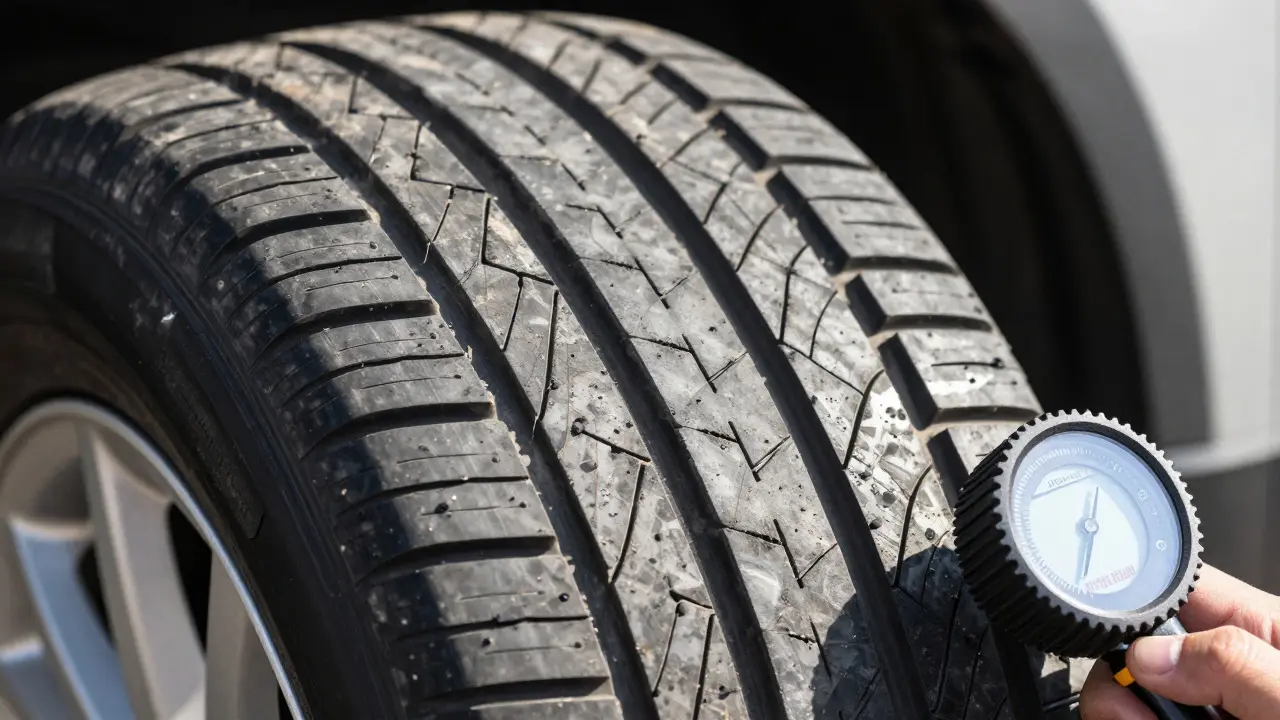
There is a specific moment when your front tires start to wear unevenly, creating that subtle vibration you feel through the steering wheel. Most drivers ignore it until the tread depth becomes dangerously low. But if you know exactly tire rotation intervals and techniques, you can extend the life of your rubber by thousands of miles. It is not just about saving money on replacements; it is about keeping your vehicle predictable and safe on wet roads or dry highways.
Ignoring this simple task leads to premature failure. Front-wheel-drive vehicles put more stress on the front tires because they handle both propulsion and steering. Rear-wheel-drive cars face different challenges with power delivery. Understanding these dynamics helps you decide when to act. You do not need a mechanic for every check, but you do need a clear schedule and the right method.
Why Tire Rotation Matters More Than You Think
Tires are not static objects. They change shape under load, heat, and friction. The front tires typically wear faster in most passenger cars because they bear the weight of the engine and manage directional control. If you never rotate them, the front pair will hit zero tread depth while the rear pair still has plenty of life left. This imbalance forces you to replace all four tires at once, even though two were still usable.
Beyond cost, uneven wear affects handling. A car with mismatched tire conditions tends to pull to one side, especially during braking. This creates a dangerous situation where the driver must constantly correct the steering. Regular rotation ensures that all four tires share the workload equally. It keeps the grip consistent across the axle, which improves stopping distance and cornering stability.
The economic argument is straightforward. A set of quality all-season tires can cost between $400 and $800 depending on the brand and size. If you maximize their lifespan from an average of 40,000 miles to 55,000 miles, you save significant cash over the life of the vehicle. For those who drive long commutes or travel frequently, this difference adds up quickly.
Determining the Right Rotation Interval
Your owner’s manual is the first place to look. Manufacturers usually recommend rotating tires every 5,000 to 7,500 miles. However, driving habits can shift this timeline. If you drive mostly on rough roads, take sharp turns often, or carry heavy loads, you might need to rotate sooner. Conversely, highway-only driving at steady speeds might allow for slightly longer intervals, though 7,500 miles remains a safe upper limit.
Many drivers use oil changes as a trigger. Since most synthetic oils last around 7,500 miles, scheduling a tire rotation at the same time makes sense. It reduces the number of shop visits and ensures you remember the task. If you prefer independent shops, ask them to note the mileage in your service history. This creates a paper trail that helps you stay on track without relying on memory.
Visual inspection also plays a role. Check your tires every month or so. Look for visible differences in tread depth between the left and right sides. If one side looks significantly more worn than the other, it is time to rotate, regardless of the mileage. This visual cue catches issues early before they become expensive problems.
Common Rotation Patterns Explained
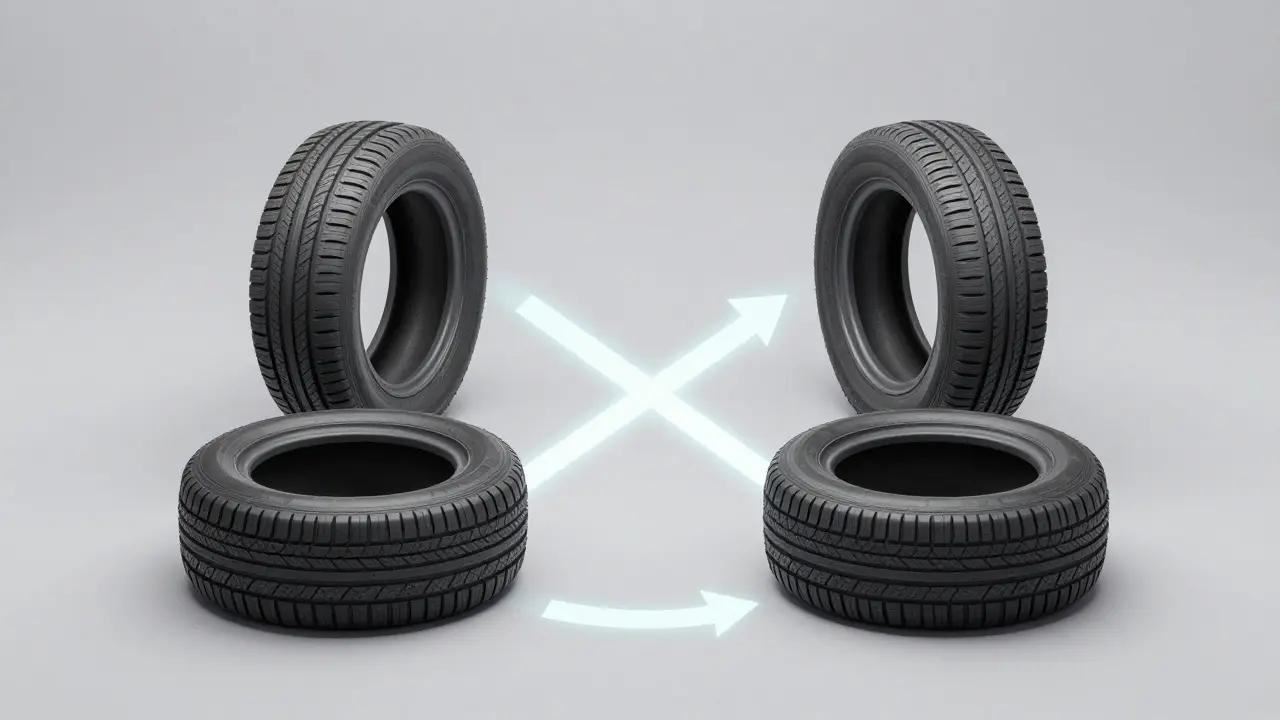
Not all rotations are created equal. The pattern you choose depends on your drivetrain and whether you have a spare tire. The most common patterns include front-to-rear cross, rear-to-front cross, and forward lock.
- Front-to-Rear Cross: The front left moves to the rear right, and the front right moves to the rear left. The rear tires move straight to the front. This is ideal for front-wheel-drive vehicles.
- Rear-to-Front Cross: The rear left moves to the front right, and the rear right moves to the front left. The front tires move straight to the rear. This works well for rear-wheel-drive vehicles.
- Forward Lock: All tires move forward in a circular motion. The front left goes to the front right, the front right goes to the rear right, and so on. This is less common but used in some specific configurations.
If you have a full-size spare tire, some mechanics suggest including it in the rotation. This ensures the spare stays inflated and ready for use. However, many modern cars come with temporary spares that should only be used in emergencies. Always check your manual to see if the spare is part of the regular rotation cycle.
| Pattern Name | Best For | Movement Description | Frequency Recommendation |
|---|---|---|---|
| Front-to-Rear Cross | Front-Wheel Drive (FWD) | Cross diagonally from front to back, then straight from back to front | Every 5,000 - 7,500 miles |
| Rear-to-Front Cross | Rear-Wheel Drive (RWD) | Cross diagonally from back to front, then straight from front to back | Every 5,000 - 7,500 miles |
| Forward Lock | Specific OEM Requirements | All tires move forward in a circle | Per Manual Instructions |
Step-by-Step Guide to Rotating Your Own Tires
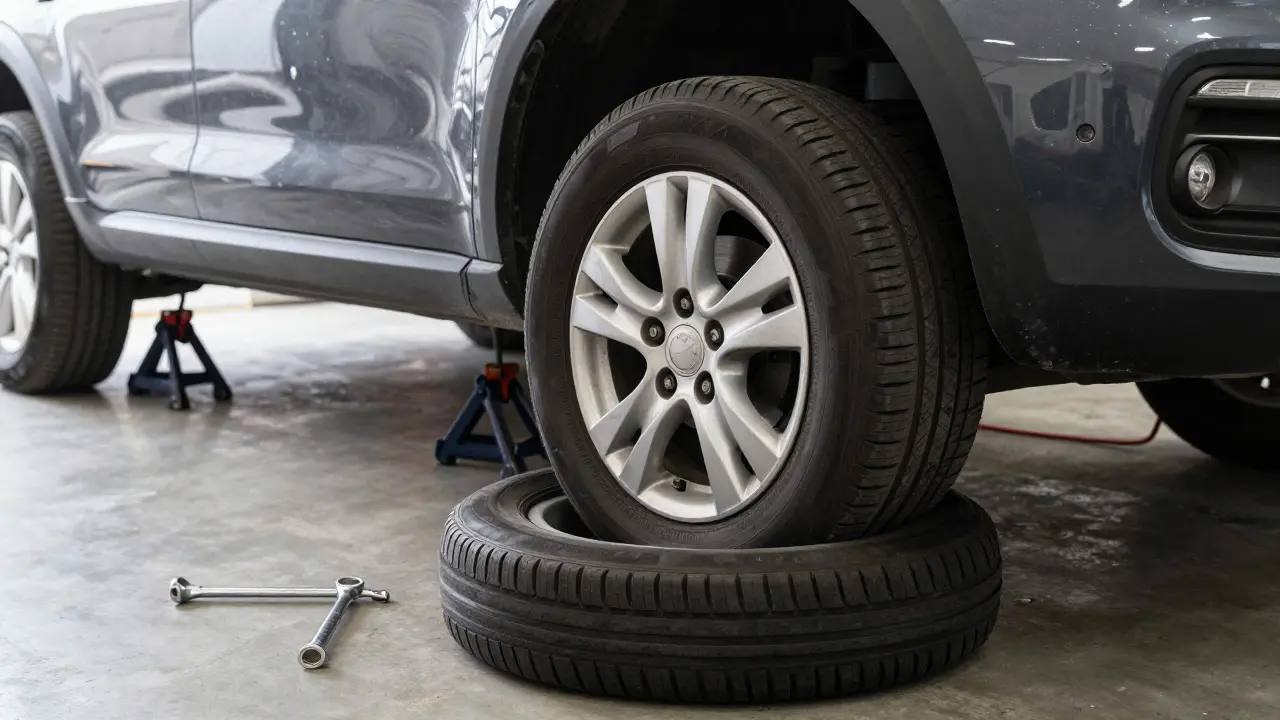
You can rotate your own tires at home if you have the right tools. You will need a jack, jack stands, a lug wrench, and a torque wrench. Safety is paramount here. Never work on a car supported only by the jack. Always use jack stands placed on solid ground.
- Park on Level Ground: Ensure the car is stable. Engage the parking brake and chock the wheels if possible.
- Loosen Lug Nuts: Before lifting the car, loosen the lug nuts slightly while the tire is still on the ground. This prevents the wheel from spinning when lifted.
- Lift the Vehicle: Use the jack to lift the car at the designated jacking points. Place jack stands under the frame or suspension arms.
- Remove Tires: Remove the lug nuts completely and take off the tires. Mark each tire with chalk or tape indicating its position (FL, FR, RL, RR) to help you follow the correct pattern.
- Reposition Tires: Move the tires according to your chosen rotation pattern. Make sure the valve stems point outward for easier access later.
- Tighten Lug Nuts Hand-Tight: Start threading the lug nuts by hand to avoid cross-threading.
- Lower the Vehicle: Remove the jack stands and lower the car slowly until the tires touch the ground.
- Torque to Specification: Use a torque wrench to tighten the lug nuts to the manufacturer’s specification. Usually, this is between 80 and 100 foot-pounds. Tightening in a star pattern ensures even pressure.
If you are unsure about the process, taking the car to a local shop is a safer option. Many places offer free rotations with a new tire purchase or charge a modest fee, typically between $20 and $50. This includes balancing checks, which are important for preventing vibrations.
Signs It Is Time to Rotate Immediately
Sometimes, waiting for the scheduled interval is not enough. Certain signs indicate that your tires need attention right away. Ignoring these can lead to blowouts or poor handling.
- Uneven Wear Patterns: If one edge of the tire is worn down much faster than the center, you may have an alignment issue. Rotation alone won’t fix this, but it buys time until you get aligned.
- Vibration in Steering Wheel: This often indicates out-of-balance tires. While rotation doesn’t balance tires, moving them can sometimes mask minor imbalances temporarily.
- Low Tread Depth: Use the penny test. Insert a penny into the tread with Lincoln’s head upside down. If you can see the top of his head, your tread is below 2/32 of an inch. It is time to replace, not just rotate.
- Age of Tires: Even if the tread looks good, tires degrade over time. Rubber hardens after six to ten years. Check the DOT code on the sidewall. The last four digits show the week and year of manufacture. If your tires are older than five years, consider replacing them regardless of wear.
Weather also plays a role. In Portland, Oregon, the mix of rain and dry pavement requires tires that can handle both. If you notice hydroplaning in light rain, your tread might be too low. Rotating can help distribute the remaining tread, but it is a temporary fix. Always prioritize safety over savings.
Maintenance Tips Beyond Rotation
Tire rotation is just one part of tire care. To truly maximize longevity, you need to monitor your tire pressure regularly. Under-inflated tires generate excess heat, which breaks down the rubber compounds faster. Over-inflated tires wear in the center, reducing contact patch and grip.
Check your pressure once a month and before long trips. Use a reliable digital gauge rather than relying on the gauge at gas stations, which can be inaccurate. The recommended pressure is usually found on a sticker inside the driver’s door jamb or in the owner’s manual. Do not use the maximum pressure listed on the tire sidewall, as that is for the tire’s physical limit, not your car’s optimal setting.
Wheel alignment is another critical factor. If your car pulls to one side or the steering wheel is off-center, you likely need an alignment. Misalignment causes rapid, uneven wear that no amount of rotation can fully correct. Getting an alignment every 10,000 to 12,000 miles or whenever you hit a pothole hard can save your tires from premature death.
Finally, inspect your tires visually. Look for cracks in the sidewalls, bulges, or embedded objects like nails. These small issues can grow into major failures if ignored. A quick visual check takes less than two minutes and can prevent roadside breakdowns.
Frequently Asked Questions
How often should I rotate my tires?
Most manufacturers recommend rotating tires every 5,000 to 7,500 miles. This aligns well with typical oil change intervals. However, if you drive aggressively or on rough roads, you might want to check them every 3,000 to 5,000 miles. Always consult your owner’s manual for the specific recommendation for your vehicle model.
Can I rotate my tires myself?
Yes, if you have basic mechanical skills and the right tools. You will need a jack, jack stands, a lug wrench, and a torque wrench. The process involves loosening lug nuts, lifting the car, swapping tires according to the pattern, and torquing the nuts to specification. If you are uncomfortable with any step, visiting a professional shop is a safe alternative.
What happens if I don't rotate my tires?
Without rotation, front tires on FWD vehicles will wear out much faster than rear tires. This leads to uneven handling, potential pulling, and the need to replace all four tires even if the rear ones are still in good condition. It also increases the risk of blowouts due to excessive wear on individual tires.
Does tire rotation affect fuel efficiency?
Indirectly, yes. Unevenly worn tires can increase rolling resistance, causing the engine to work harder and consume more fuel. Properly rotated and balanced tires ensure smooth rolling, which can help maintain optimal fuel economy. The effect is small but noticeable over long distances.
Should I include my spare tire in the rotation?
If you have a full-size spare tire, yes, it is a good idea to include it in the rotation. This keeps it inflated and ready for use. If you have a temporary compact spare, it is generally not included in regular rotations unless specified by the manufacturer. Check your owner’s manual for guidance on your specific spare type.