
Imagine you’re driving on a wet highway. The rain is hammering the windshield, visibility is low, and suddenly your steering feels light, almost floaty. That’s not just bad luck; it’s likely tire wear the gradual loss of rubber material from the contact patch of the tire due to friction and environmental exposure. Many drivers wait until they see a flat or hear a loud noise before thinking about their tires. But by then, you’ve already lost grip, efficiency, and potentially control.
Knowing exactly when to swap out your rubber isn’t just about avoiding a ticket for bald tires. It’s about understanding two distinct clocks ticking simultaneously: the physical wear from miles driven and the chemical degradation from time passing. One tells you how much grip you have left; the other tells you if the rubber itself has turned into brittle plastic. Let’s break down how to read these signals so you never get caught off guard.
The Penny Test vs. Professional Measurement
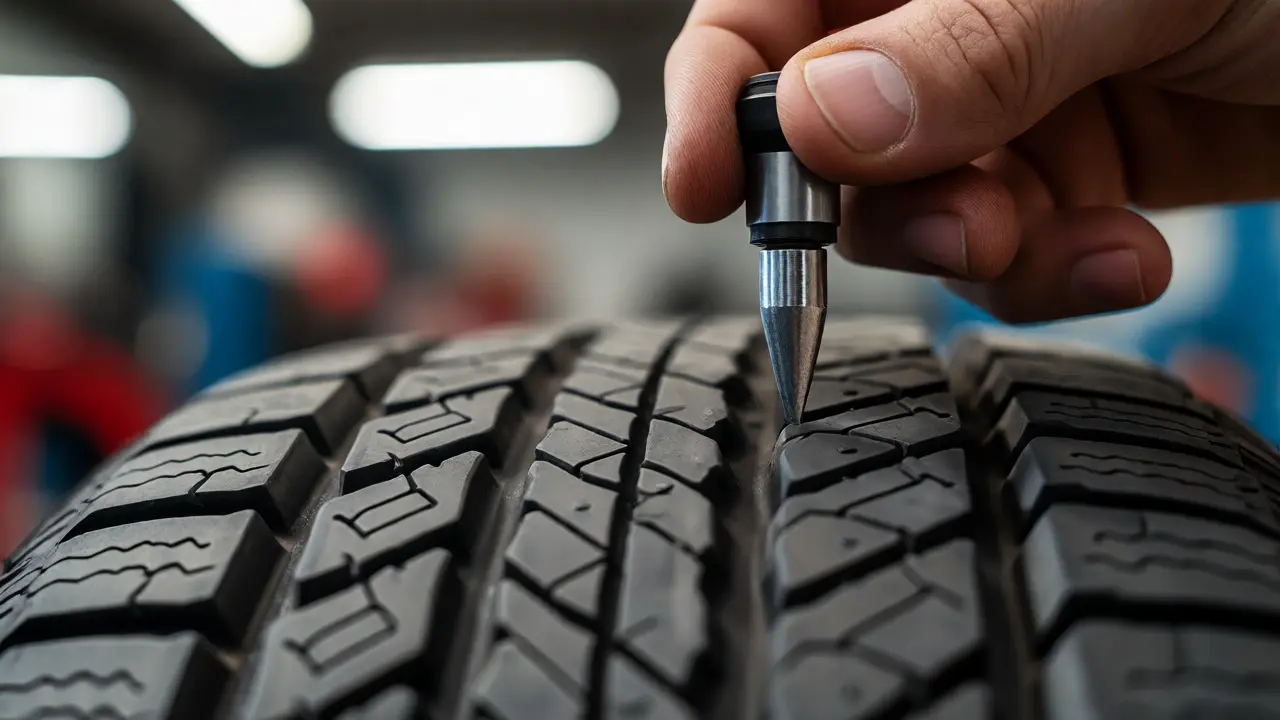
You’ve probably heard of the penny test. You stick a penny in the tread with Lincoln’s head upside down. If you can see all of his head, you need new tires. It’s a classic rule of thumb, but it’s actually a bit too conservative for modern safety standards. While 2/32nds of an inch (1.6 mm) is the legal minimum in most US states, that’s barely enough to clear water at high speeds. Hydroplaning risk spikes dramatically once tread depth drops below 4/32nds (3.2 mm).
For accurate assessment, use a tread depth gauge a simple mechanical tool used to measure the remaining depth of tire tread in millimeters or inches. They cost less than ten dollars and give you precise numbers. Here is what those numbers mean for your driving:
- 8/32" to 10/32": Brand new. Full performance.
- 5/32" to 7/32": Good condition. Safe for all weather, though wet braking distance increases slightly.
- 4/32" to 5/32": Caution zone. Consider replacing soon, especially if you drive in rain or snow often. Grip diminishes noticeably here.
- 2/32" to 3/32": Legal limit territory. High risk of hydroplaning. Replace immediately.
- Below 2/32": Dangerous. You are driving on nearly smooth rubber. Immediate replacement required.
Don’t rely on your eyes alone. Uneven wear patterns can hide dangerous spots. Measure multiple points across the width of the tire-inner shoulder, center, and outer shoulder-to catch irregularities early.
The Hidden Clock: Tire Age Matters More Than Mileage
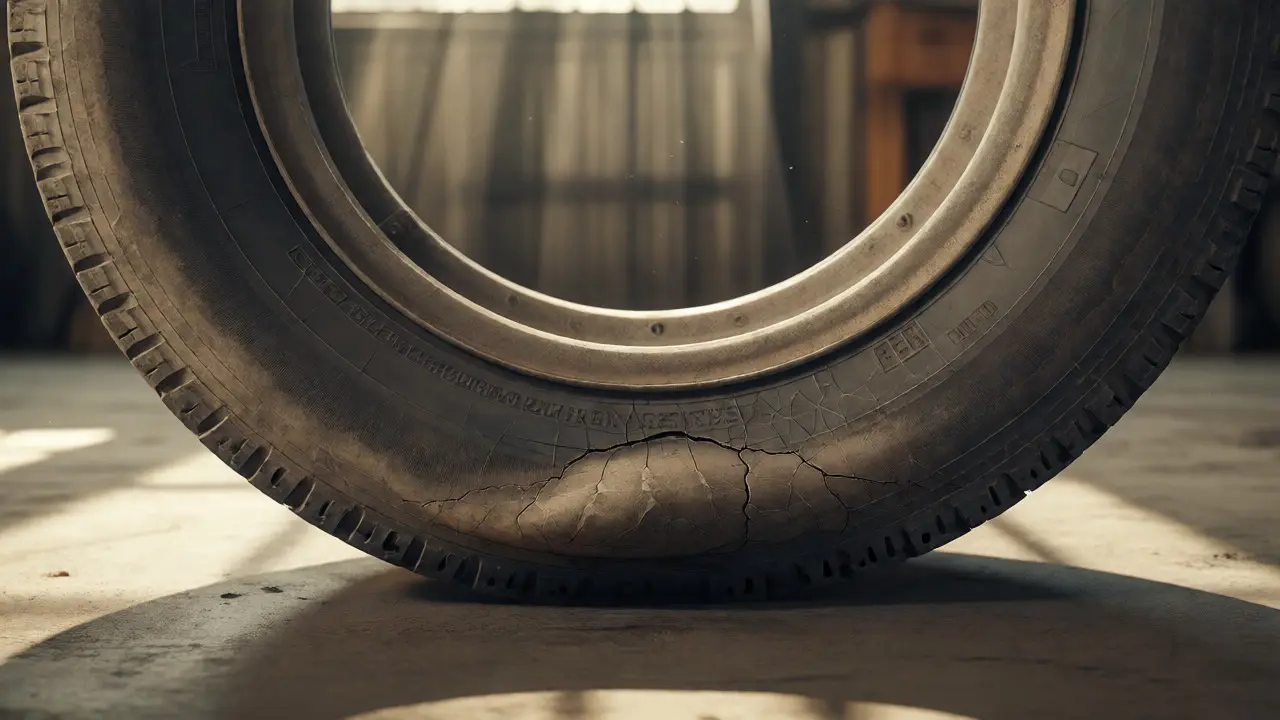
Here’s a scenario that trips people up: You bought a spare tire five years ago. It sat in your trunk, untouched, maybe driven only twice for emergencies. The tread looks brand new. Is it safe? Probably not. Rubber ages through oxidation and ozone exposure, even without rolling. This process causes the polymer chains in the rubber to break down, leading to hardening and cracking.
To check the age, look for the DOT code a Department of Transportation identification number molded into the sidewall of every tire, indicating its manufacture date. The last four digits tell you the week and year of production. For example, "3524" means the tire was made in the 35th week of 2024. Most manufacturers recommend replacing tires after six years, regardless of tread depth. After ten years, many experts consider them unsafe, period.
| Factor | Indicator | Action Required | Risk Level |
|---|---|---|---|
| Tread Depth | < 4/32" (3.2mm) | Plan replacement within next month | Moderate (Wet Weather) |
| Tread Depth | < 2/32" (1.6mm) | Replace Immediately | High (Hydroplaning/Failure) |
| Tire Age | 6+ Years Old | Inspect for Cracks/Hardness | Moderate (Blowout Risk) |
| Tire Age | 10+ Years Old | Replace Regardless of Tread | High (Structural Failure) |
| Visual Damage | Sidewall Bulges/Cuts | Replace Immediately | Critical (Immediate Blowout) |
Why does age matter if the tread is fine? Because the structural integrity of the tire relies on the bond between the rubber and the internal steel belts and fabric plies. As rubber dries out, this bond weakens. A blowout doesn’t warn you with squealing brakes; it happens suddenly, often at highway speeds, which can be catastrophic.
Spotting Physical Warning Signs
Beyond depth and age, your tires talk to you through visible defects. Learn to spot these red flags during monthly inspections:
- Sidewall Bulges: These look like small bubbles or lumps on the side of the tire. They indicate impact damage, usually from hitting a pothole or curb. The internal cord structure has broken, allowing air pressure to push the rubber outward. A bulge is a ticking time bomb; replace the tire now.
- Cracking (Dry Rot): Look for tiny spiderweb cracks in the sidewall or between treads. Light surface cracking is normal as tires age, but deep cracks that expose the underlying fabric mean the rubber has lost its elasticity. If you can insert a coin edge into a crack, it’s too deep.
- Uneven Wear Patterns: If one side of the tire is bald while the other looks new, you have alignment or suspension issues. Center wear suggests over-inflation; shoulder wear indicates under-inflation. Fix the root cause, or you’ll ruin your new tires in months.
- Vibration: If your steering wheel shakes at certain speeds (usually 50-70 mph), it might be a separated belt inside the tire. This is internal delamination, where layers peel apart. No amount of balancing will fix this permanently. The tire needs replacement.
Environmental Factors Accelerating Wear
Your location plays a huge role in how fast your tires degrade. Hot climates accelerate oxidation, aging tires faster than in cooler regions. UV radiation breaks down rubber compounds more aggressively. If you live in Arizona or Florida, inspect your tires for dry rot more frequently than someone in Seattle.
Driving habits also dictate lifespan. Aggressive acceleration and hard braking scrub rubber off quickly. Highway driving tends to wear tires evenly but slowly, while city stop-and-go traffic generates more heat and friction. Check your vehicle’s owner manual for recommended tire rotation intervals-usually every 5,000 to 8,000 miles. Rotation ensures even wear across all four tires, extending the life of the set and maintaining balanced handling.
Replacing All Four or Just Two?
This is a common debate. Ideally, replace all four tires at once. Why? Mismatched tread depths create uneven traction. On slippery surfaces, the front tires might grip differently than the rears, causing instability. For all-wheel-drive (AWD) vehicles, this is critical. AWD systems expect all wheels to rotate at similar speeds. Significant differences in circumference (caused by different tread depths) can strain the differential and transfer case, leading to expensive repairs.
If you must replace only two, install the new tires on the rear axle. This seems counterintuitive, but it prevents oversteer (losing rear traction) on wet roads. New tires on the front might feel grippier initially, but if the old rear tires lose traction first, the car spins out. Keeping the rear stable helps maintain directional control.
Pro Tips for Maximizing Tire Life
You can’t change the laws of physics, but you can slow down the clock. Keep your tires inflated to the PSI listed on the driver’s door jamb sticker, not the maximum pressure printed on the tire sidewall. Under-inflation causes excessive heat buildup and shoulder wear. Over-inflation reduces the contact patch, leading to center wear and a harsh ride.
Check pressures monthly, including the spare. Temperature changes affect pressure significantly-a drop of 10 degrees Fahrenheit lowers tire pressure by about 1 PSI. In winter, your tires might be under-inflated simply because the air contracted. Use a quality digital gauge rather than relying on gas station pumps, which are often inaccurate.
Finally, store seasonal tires properly. If you swap to winter tires, clean them thoroughly to remove brake dust and road salts, which corrode rubber. Store them in a cool, dark place away from direct sunlight and electric motors (ozone generators). Hanging them or stacking them horizontally prevents deformation.
Is 2/32 of an inch really safe for driving?
While 2/32" is the legal minimum in most jurisdictions, it is not considered "safe" for optimal performance. At this depth, wet braking distances increase significantly, and hydroplaning becomes likely at speeds above 50 mph. For safety, aim to replace tires when they reach 4/32".
How do I find the manufacturing date on my tire?
Look for the DOT code on the sidewall. The last four digits represent the week and year of manufacture. For example, "1223" means the tire was produced in the 12th week of 2023. Note that some older tires may have a three-digit code, indicating pre-2000 production, which is generally considered obsolete.
Can I drive on a tire with a sidewall bulge?
No. A sidewall bulge indicates internal structural failure. The tire is at imminent risk of blowing out, especially under heat or speed stress. Drive carefully to a shop or install a spare immediately. Do not attempt long-distance travel on a bulged tire.
Do tires expire if the car sits unused?
Yes. Tires degrade due to oxidation and ozone exposure regardless of mileage. Flat-spotting can also occur if a vehicle sits stationary for months. Experts recommend replacing tires after six years, even if they have never been driven, due to potential rubber hardening and cracking.
Why should new tires go on the rear axle?
Placing new tires on the rear improves stability on wet surfaces. Worn rear tires are prone to losing traction and causing the back end to slide out (oversteer), which is harder to correct than front-end understeer. New rear tires help maintain directional control during emergency maneuvers.