You’re driving down the highway, maybe heading out of Portland for a weekend trip up to Mount Hood. The rain starts hitting the windshield, and suddenly your steering feels a little loose. Is it the road? The alignment? Or is it time to swap out those tires? Most drivers ignore their tires until they get a flat or hear a weird noise. But waiting that long is risky. Tire replacement isn’t just about convenience; it’s a critical safety decision based on two hard facts: how much rubber is left (tread depth) and how old the rubber actually is (tire age). If you wait for a blowout, you’ve already lost.
The Penny Test and Beyond: Measuring Tread Depth
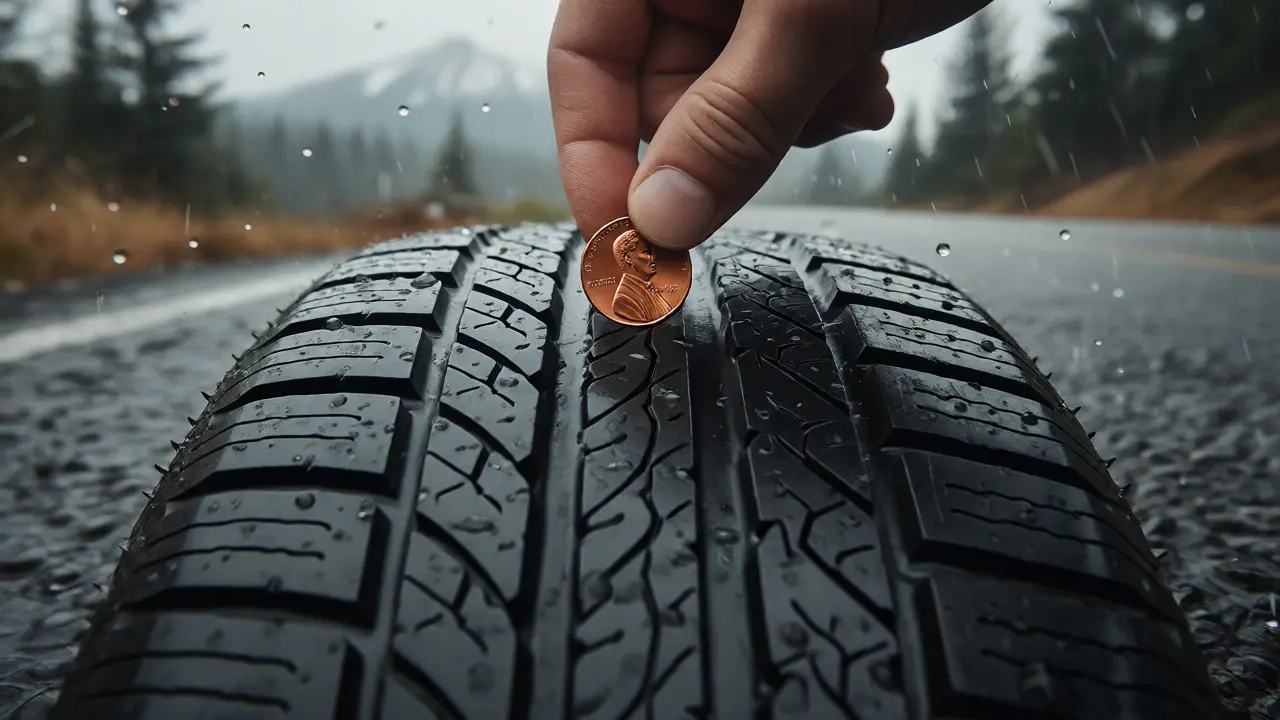
Let’s start with the most common question: how deep should your tread be? You’ve probably heard of the penny test. It’s simple. Take a U.S. penny, insert it into the groove of your tire with Lincoln’s head facing down. If you can see the top of his head, your tread is less than 2/32 of an inch. That’s the legal minimum in almost every state. But here’s the thing: legal doesn’t mean safe. By the time you hit 2/32, your tire has lost nearly all its ability to channel water away from the contact patch. In wet conditions, that means hydroplaning becomes a real threat at speeds as low as 45 mph.
For better performance, especially if you live somewhere with rain like Oregon, aim to replace tires when they hit 4/32 of an inch. At this depth, braking distances increase significantly on wet pavement. A study by Tire Rack showed that stopping distance from 60 mph on wet roads can be up to 100 feet longer at 2/32 compared to new tires. That’s the length of a football field. Do you really want to gamble that much space between you and the car in front of you?
If you don’t have a penny handy, use a tread depth gauge. They cost five bucks and give you an exact number. Check three spots across the width of each tire-inner, middle, outer. If the inner edge is worn down but the outside looks fine, you might have an alignment issue, not just wear. But if the whole tire is thin, it’s time to shop.
Why Old Rubber Cracks Even With Good Tread
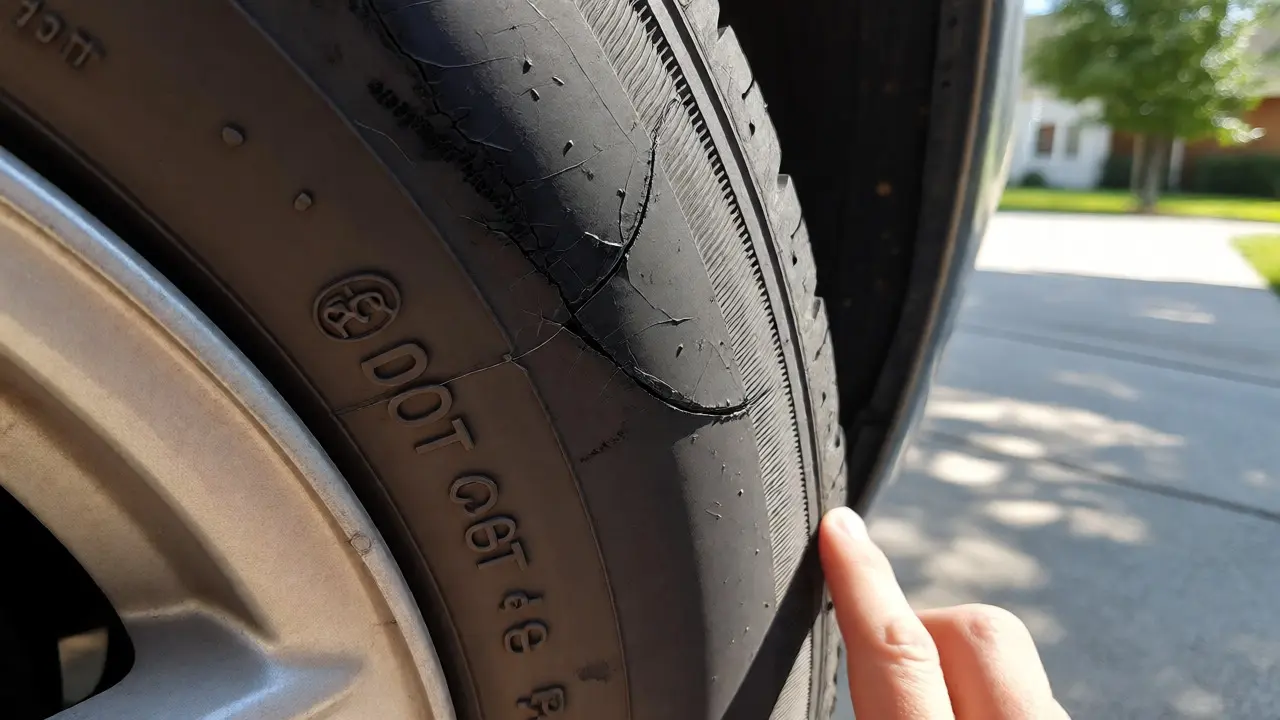
Here’s where things get counterintuitive. You could have tires with plenty of tread left, but they still need replacing. Why? Because rubber degrades over time. This process is called oxidation. Oxygen, ozone, UV light, and heat break down the chemical bonds in the rubber compound. The result? Dry rot. You’ll see small cracks forming in the sidewalls or between the treads. These cracks weaken the structural integrity of the tire, making it prone to blowouts, even if the tread looks brand new.
How do you know how old your tires are? Look for the DOT code on the sidewall. It ends with four digits. The first two represent the week of manufacture, and the last two represent the year. For example, "3524" means the tire was made in the 35th week of 2024. If your tires are more than six years old, many manufacturers recommend having them inspected annually. After ten years, regardless of tread depth or appearance, they should be replaced. Some experts argue for five years for optimal performance, especially for high-performance vehicles or those driven in hot climates.
Living in Portland, you deal with mild winters but significant rainfall. Moisture accelerates rubber degradation slightly, but it’s mostly the UV exposure during dry spells and the temperature fluctuations that take a toll. If you park your car outside, your tires age faster than if they’re in a garage. Inspect them regularly for those tell-tale spiderweb cracks.
| Indicator | Safe Zone | Warning Zone | Replace Immediately |
|---|---|---|---|
| Tread Depth (Wet/Snow) | > 6/32 inch | 4/32 - 6/32 inch | < 4/32 inch |
| Tread Depth (Dry/Legal) | > 4/32 inch | 2/32 - 4/32 inch | < 2/32 inch |
| Tire Age | < 5 years | 5 - 8 years | > 8-10 years |
| Visual Inspection | No cracks, bulges, or cuts | Minor surface cracking | Deep cracks, bulges, exposed cords |
Uneven Wear Patterns Tell a Story
Sometimes, you don’t need to replace all four tires because they’re old. You need to replace them because they’re wearing wrong. Uneven wear is a red flag that something else under your hood or chassis needs attention. If you ignore it, you’ll buy new tires only to have them ruined in six months.
Check for these common patterns:
- Center Wear: If the middle of the tire is smoother than the edges, you’re likely over-inflating your tires. Too much air pressure reduces the contact patch, causing the center to bear all the weight. Lower your PSI to the manufacturer’s recommendation found on the driver’s door jamb sticker.
- Edge Wear: Worn shoulders on both sides usually mean under-inflation. The tire flexes too much, overheats, and wears on the edges. Keep your pressures checked monthly, especially when temperatures drop.
- One-Sided Wear: If one side of the tire is bald while the other looks fine, you have an alignment problem. Your wheels aren’t pointing straight ahead. Get a professional alignment check immediately.
- Cupping or Scalloping: Irregular patches of wear around the tire indicate worn shock absorbers or struts. Your suspension components are no longer keeping the tire firmly planted on the road. Replacing tires won’t fix this; you need suspension work.
Fixing the root cause before buying new tires saves money and extends the life of your new investment.
Special Considerations for All-Season vs. Winter Tires
Your replacement strategy depends on what kind of tires you drive. Standard all-season tires are designed for versatility, but they compromise on extreme performance. If you rely on them for snow traction, pay close attention to tread depth. Once all-season tires fall below 5/32, their snow performance drops off a cliff. The sipes (small slits in the tread blocks) become too shallow to bite into packed snow.
Winter tires are different. They use softer rubber compounds that stay flexible in cold temperatures. However, they wear faster in warm weather. If you store winter tires properly, they can last several seasons. But remember the age rule applies here too. Soft compounds degrade quicker. Check the DOT date on your stored winter tires. If they’re seven years old, consider replacing them even if they look good. Safety in icy conditions isn’t worth the risk of a hardened, cracked tire failing.
In regions like the Pacific Northwest, some drivers opt for dedicated winter tires. Others stick with high-quality all-seasons rated for severe snow service (look for the Three-Peak Mountain Snowflake symbol). Whichever you choose, monitor them closely. If you notice reduced grip in rain or light snow, it’s often a sign of aging rubber rather than just tread loss.
Buying New Tires: What to Prioritize
So, you’ve decided it’s time. Now comes the shopping part. Don’t just grab the cheapest set available. Tires are the only point of contact between your car and the road. Skimping here costs you later in fuel efficiency, comfort, and safety.
First, match the specifications. Check your owner’s manual or the placard inside the driver’s door for the correct size, load index, and speed rating. Putting a lower-rated tire on a heavy SUV can lead to premature failure. Next, think about your driving habits. Do you commute on highways? Look for touring tires focused on quiet rides and longevity. Do you enjoy spirited driving? Performance tires offer better handling but wear faster and ride harder.
Consider the warranty. Many premium brands offer 60,000 to 80,000-mile treadwear warranties. While mileage estimates are optimistic, they signal confidence in the compound. Also, ask about road hazard protection. Potholes are everywhere, especially after a rough winter. Coverage that pays for repairs or replacements from punctures and cuts is worth the extra few dollars per tire.
Finally, buy in pairs or sets of four. Replacing just one tire can mess up your drivetrain, especially in all-wheel-drive cars. If you must replace only two, put the new ones on the rear axle. This prevents oversteer on wet surfaces, which is harder to control than understeer.

Maintenance Tips to Extend Tire Life
You can delay replacement costs by taking care of what you have. Rotation is key. Front tires wear faster due to steering and engine weight. Rotating them every 5,000 to 7,500 miles ensures even wear. It’s cheap labor and saves hundreds on early replacements.
Keep your inflation correct. Under-inflated tires generate excess heat, which breaks down rubber internally. Over-inflated tires reduce traction and wear unevenly. Use a digital gauge once a month. Digital gauges are more accurate than the analog ones at gas stations.
Alignment checks should happen annually or whenever you hit a major pothole. Misalignment doesn’t just ruin tires; it hurts fuel economy. A car pulling to one side works harder against itself, burning more gas.
Lastly, keep your tires clean. Road salts and chemicals accelerate corrosion and rubber degradation. Wash your wheels and tires regularly, especially in winter. A simple rinse removes contaminants that eat away at the sidewalls.
Frequently Asked Questions
Can I drive on tires with 2/32 tread?
Yes, it is legal in most places, but it is not recommended for wet or snowy conditions. At 2/32, braking distances increase dramatically, and the risk of hydroplaning rises significantly. For safety, replace tires at 4/32.
How do I find the manufacturing date of my tires?
Look for the DOT code on the sidewall. The last four digits indicate the week and year of production. For example, "1223" means the tire was made in the 12th week of 2023.
Is it safe to mix tire brands?
It is generally best to avoid mixing brands, sizes, or tread patterns on the same axle. Different compounds and designs can handle differently, leading to unpredictable handling and potential damage to the drivetrain, especially in AWD vehicles.
Do tires expire if the car is not driven?
Yes. Rubber degrades over time due to oxidation and environmental factors, regardless of mileage. Tires sitting unused for more than six to ten years should be inspected carefully or replaced, as they may suffer from dry rot and internal separation.
Should new tires go on the front or back?
New tires should always go on the rear axle. This provides better stability and prevents the rear end from sliding out (oversteer) on wet roads, which is more difficult to correct than front-end sliding (understeer).