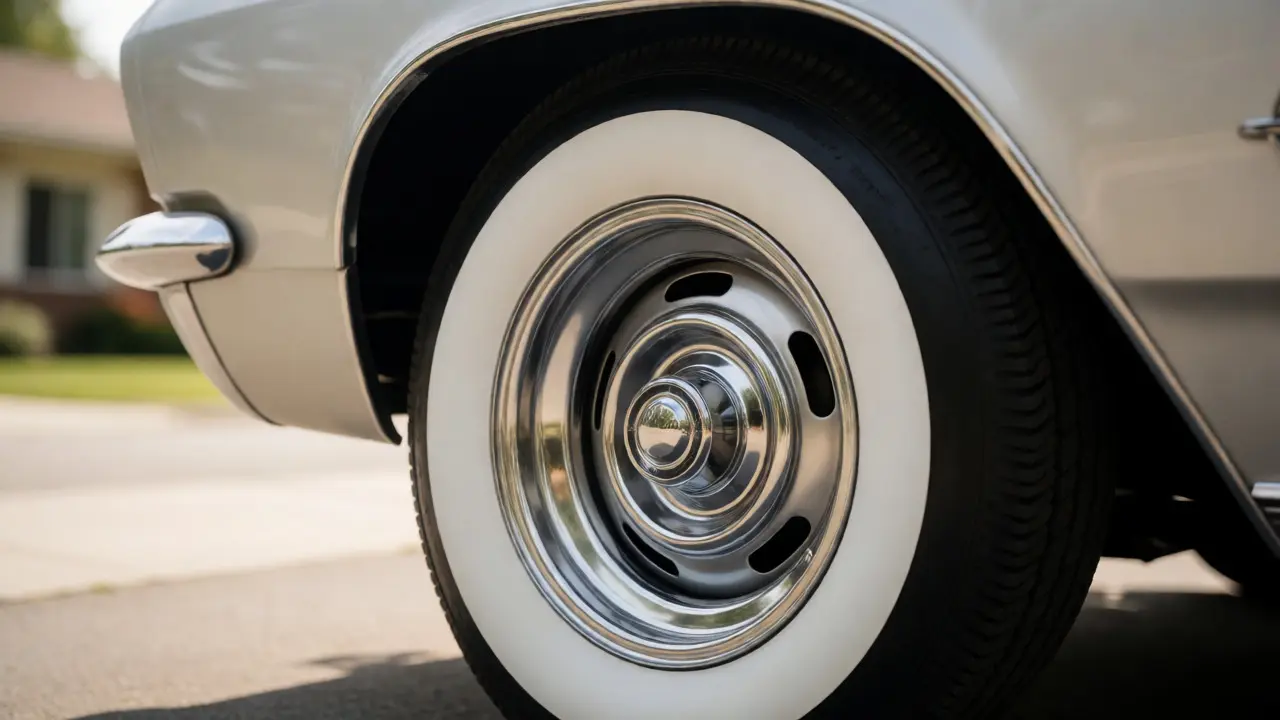
There is nothing quite like the look of a pristine whitewall tire on a restored 1960s muscle car or a pre-war luxury sedan. It signals authenticity, attention to detail, and a deep respect for automotive history. But here’s the hard truth most collectors learn the hard way: those beautiful sidewalls are fragile, expensive, and often unsafe if you don’t know how to handle them.
If you own a classic, you’ve probably stared at your current set of rubber wondering, "Are these safe? Can I clean this stain? Should I replace them with modern radials or keep the period-correct look?" You aren't alone. The market for specialty tires has exploded, but so have the pitfalls. From dry rot hiding under shiny dressing to the dangerous mismatch between old rims and new tire technologies, navigating this world requires more than just a quick trip to the local chain shop.
| Tire Type | Construction | Ride Quality | Safety/Handling | Best For |
|---|---|---|---|---|
| Bias-Ply (Original) | Crossed layers of fabric | Soft, floaty | Poor high-speed stability; prone to heat buildup | Concours show cars; short-distance drives |
| Radial (Modern Replica) | Steel belts + radial cords | Firm, stable | Excellent braking and cornering | Daily drivers; highway cruising |
| Whitewall Radial | Radial construction with white stripe | Balanced | Good safety with vintage aesthetics | Resto-mods; weekend cruisers |
| Narrow Profile Bias | Traditional bias-ply | Very soft | Sluggish response; high risk on wet roads | Pre-1950 vehicles |
The Great Debate: Keeping Bias-Ply vs. Switching to Radials
This is the first decision you need to make, and it dictates everything else. If your car came from the factory with bias-ply tires, which use diagonal layers of fabric rather than steel belts, sticking with them keeps your ride authentic. They offer that famous "cloud-like" suspension feel that many enthusiasts crave. However, they wear out faster, generate more heat, and handle poorly in rain compared to modern standards.
Switching to radial tires with a whitewall appearance changes the game. Brands like Coker Tire or Vredestein produce radials that mimic the tread pattern and sidewall profile of original tires but perform like modern ones. The catch? Your suspension might feel stiffer. Some purists hate this change because it alters the car's fundamental character. Others love it because they can actually drive their classic to a cruise-in without worrying about a blowout at 65 mph.
Ask yourself: Is this car a trailer queen, or do you want to drive it? If you plan to put more than 500 miles a year on it, especially on highways, seriously consider switching to radials. Your insurance company will thank you, and so will your passengers.
Caring for Whitewalls: Beyond the Basic Wash
White sidewalls are notorious for looking dirty even when they’re clean. That brownish haze isn't always dirt; it’s often oxidation or brake dust embedded in the porous rubber. Using harsh degreasers or stiff wire brushes will ruin them, turning bright white into a permanent yellow-gray.
- The Two-Bucket Method: Never use the same sponge for the black part and the white part. Black rubber contains oils and carbon that stain white rubber instantly. Use separate microfiber cloths or dedicated sponges.
- Specialized Cleaners: Skip the all-purpose cleaners. Look for pH-neutral tire cleaners specifically formulated for whitewalls. Products like Meguiar’s Hot Rims or specialized vintage tire kits work wonders.
- Avoid Petroleum-Based Dressings: This is critical. Many cheap tire shines contain petroleum distillates that break down the rubber compounds over time, causing cracking. Stick to water-based dressings or simple soap-and-water rinses for long-term preservation.
If you live in a humid climate like Portland, Oregon, where I am, mold and mildew can attack the white rubber during storage. Park your car on a vapor barrier if storing in a garage, and avoid letting leaves sit against the tires for weeks. The tannins in oak leaves will leave permanent dark stains on white walls within days.
When to Replace: Reading the Date Code
You cannot judge a tire by its looks alone. A tire can look brand new, shine brightly, and still be structurally compromised. Rubber degrades chemically over time, regardless of mileage. This process is called dry rot, and it happens whether the car sits in a museum or gets driven weekly.
Check the DOT code on the sidewall. The last four digits indicate the week and year of manufacture. For example, "3224" means the tire was made in the 32nd week of 2024. Most experts recommend replacing tires every 6 to 10 years, even if they have plenty of tread left. If your tires are older than 10 years, replace them immediately. Do not gamble with the structural integrity of the bead or the belt package.
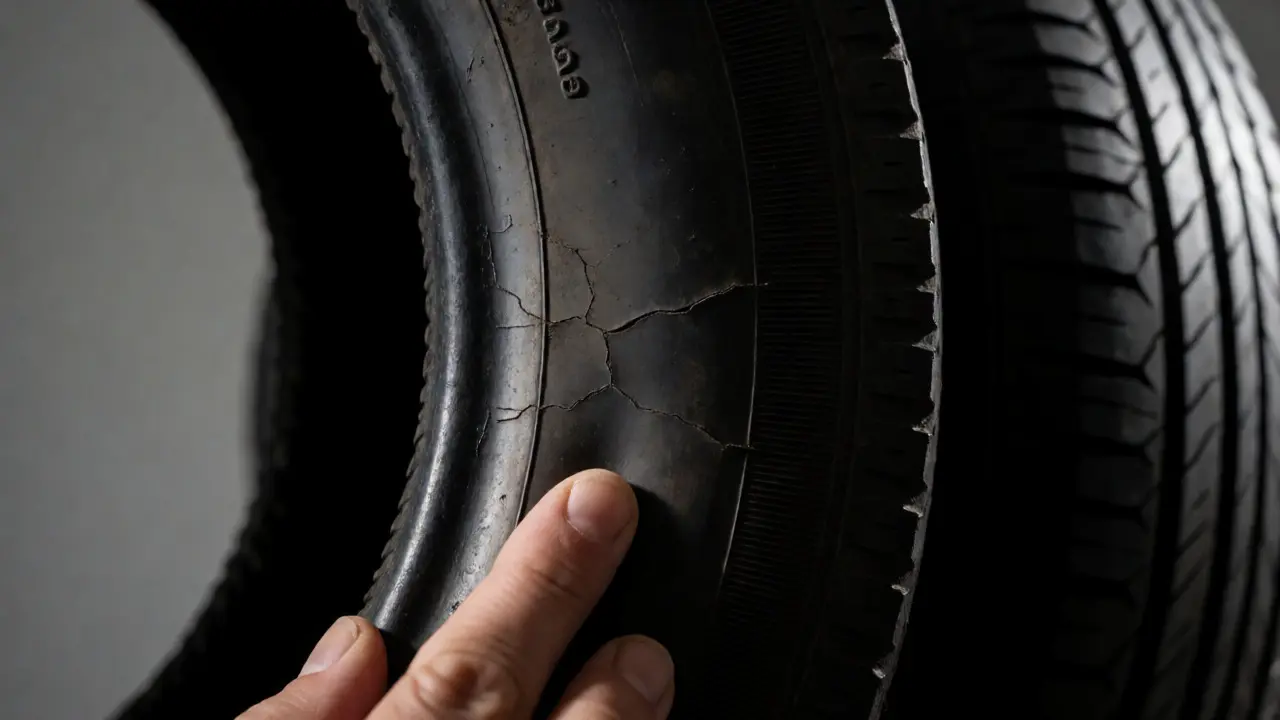
Look closely at the sidewall near the rim. Do you see tiny spider-web cracks? That’s dry rot setting in. If you press your fingernail into the rubber and it feels hard and brittle rather than slightly pliable, the plasticizers have evaporated. These tires are ticking time bombs. One pothole could cause a catastrophic failure.
Sourcing Specialty Sizes: Where to Find Them
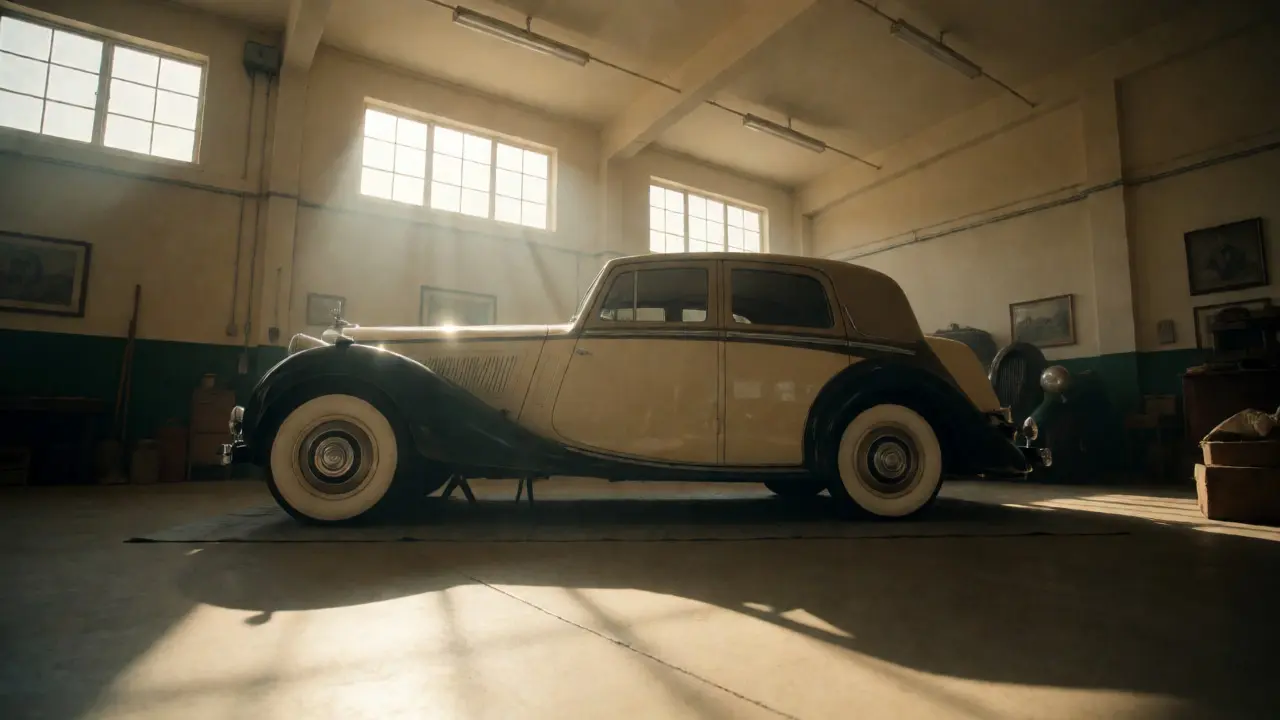
Classic cars often use sizes that no longer exist in standard retail inventory. You won’t find a 6.00-15 or a 7.60-15 tire at your local Walmart. You need specialty suppliers who understand the nuances of vintage fitment.
Major players in this space include:
- Coker Tire: Known for high-quality reproductions and a wide range of sizes. They offer both bias-ply and radial options with accurate tread patterns.
- Vredestein: A European brand that makes excellent whitewall radials. Their "Classics" line is popular among European car owners for its balance of performance and aesthetics.
- BFGoodrich: While known for off-road tires, they still produce some classic-style radials that are durable and widely available.
Be careful with "new-old-stock" (NOS) tires. Just because they were never mounted doesn’t mean they are fresh. If those NOS tires were manufactured in 1985, they are already expired. Always check the date code before buying, even if the box says "New."
Installation and Storage Tips for Longevity
Getting the right tire is only half the battle. How you mount and store it matters just as much. Vintage wheels, especially chrome or polished aluminum, can scratch easily. Ensure your tire installer uses non-marring tools and proper lubricants. Old-school soap can corrode certain wheel finishes over time; ask for a neutral mounting paste.
When storing your classic for the winter, take the weight off the tires. Flat-spotting is real. If you don’t have jack stands, inflate the tires to the maximum pressure listed on the sidewall (usually around 30-35 PSI for classics) to reduce deformation. Keep them away from direct sunlight and electric motors, which emit ozone-a chemical enemy of rubber that accelerates cracking.
Finally, rotate your tires regularly if you drive the car. Even on a rear-wheel-drive classic, front tires wear differently due to steering forces. Rotating them extends life and ensures even aging of the whitewalls, keeping the aesthetic consistent across all four corners.
Can I mix bias-ply and radial tires on my classic?
Generally, no. Mixing constructions on the same axle can lead to unpredictable handling and uneven wear. It is best to stick to one type per vehicle. If you must mix, put radials on the front for better steering control and bias-plys on the rear, but consult a specialist first.
How do I remove rust stains from whitewall tires?
Rust comes from brake dust or wheel corrosion. Use a dedicated iron remover spray designed for wheels and tires. Spray it on, let it turn purple, then rinse thoroughly. Avoid scrubbing aggressively, as this can embed the particles deeper into the porous white rubber.
Are whitewall tires harder to balance than regular tires?
Not necessarily, but they require more care during mounting. The white rubber is softer and can be damaged by balancing weights if not placed correctly. Technicians should use adhesive clip-on weights or place traditional weights carefully to avoid pinching the delicate sidewall.
What PSI should I run in classic whitewall tires?
Always follow the manufacturer’s recommendation found on the driver’s door jamb or owner’s manual, not the max pressure on the tire sidewall. For many classics, this ranges from 24 to 30 PSI. Running too high makes the ride harsh; running too low causes overheating and excessive wear.
Is it worth restoring old whitewall tires instead of replacing them?
Usually, no. Restoration processes like painting or buffing are temporary fixes. Once the rubber begins to oxidize deeply, it loses structural integrity. Unless the tire is extremely rare and valuable for a concours restoration, replacement is safer and more cost-effective in the long run.