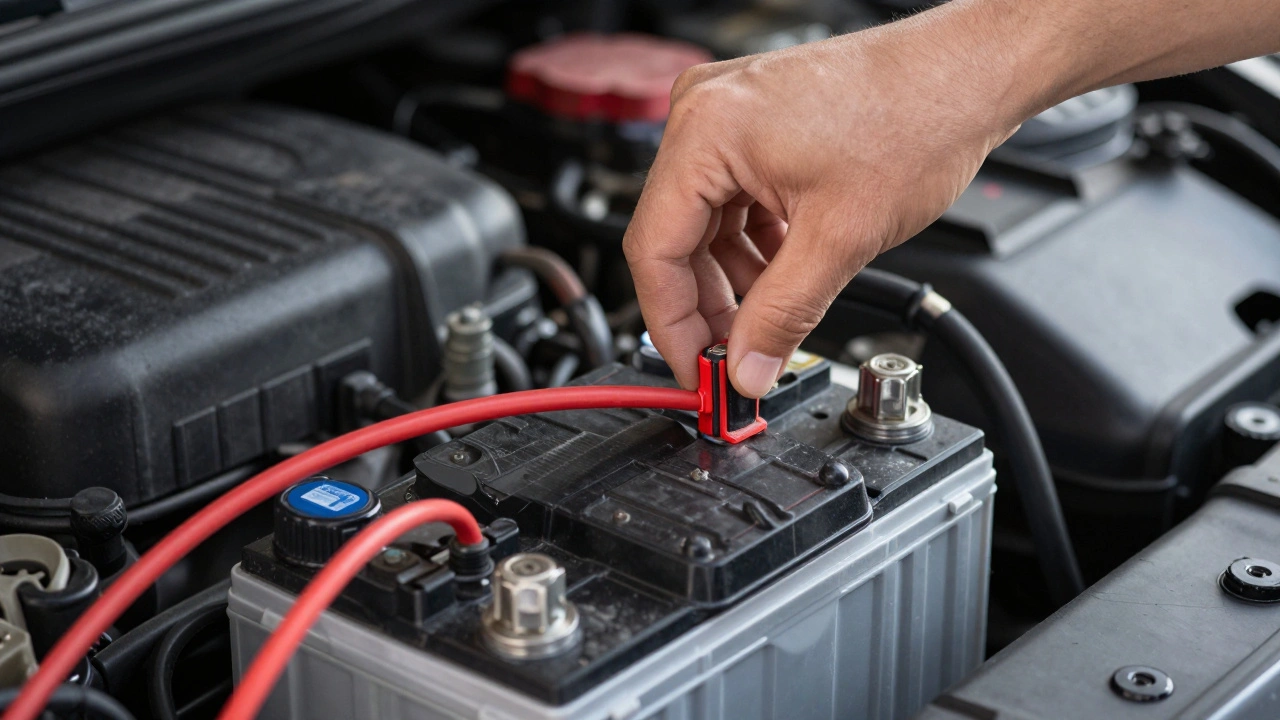
You just spent a decent chunk of change on a brand-new battery, installed it, and felt great about your car's reliability. Then, a few weeks later-or maybe even the next morning-you turn the key and get that dreaded clicking sound. It feels like a betrayal. Why would a fresh battery die so quickly? While we usually blame the part itself, the truth is that car battery failure is often caused by how the battery was put in or how the car is treating it, rather than a factory defect.
Whether you're a DIYer who handled the swap in your driveway or you took it to a quick-lube shop, small oversights can lead to a dead engine. From simple wiring blunders to complex computer glitches in modern cars, there are several hidden culprits that eat through a new battery's life. Let's break down exactly what goes wrong and how to stop it from happening again.
The Most Common Installation Blunders
The moment of installation is where the most critical mistakes happen. One of the most dangerous errors is reverse polarity. This happens when the red positive cable is connected to the negative terminal and vice versa. In a modern car, this isn't just a "no-start" situation; it's a potential electrical disaster. A surge of current flows in the wrong direction, which can instantly blow fuses, fry fusible links, and in worst-case scenarios, destroy the Engine Control Module (ECM), which is essentially the brain of your vehicle.
Even if you get the polarity right, a loose connection is a silent killer. If the battery terminals aren't snug, the vibrations from driving can cause the connection to flicker. This doesn't just make the car hard to start; it prevents the alternator from consistently charging the battery, leading to a slow drain that eventually leaves you stranded.
The "Wrong Battery" Problem
Not all batteries are created equal. Many people grab whatever fits in the tray, but batteries have specific power requirements based on the vehicle's size and engine. If you install a battery with insufficient Cold Cranking Amps (CCA), it might start the car today, but it won't have the stamina to handle the combined load of the starter motor and the fuel system over time. This puts an immense strain on the internal plates of the battery, causing it to wear out in months rather than years.
| Attribute | Correct Spec Battery | Undersized Battery |
|---|---|---|
| Cold Cranking Amps (CCA) | Matches OEM requirements | Below recommended threshold |
| Physical Fit | Secure in the battery tray | May shift or vibrate during drive |
| Lifespan Expectancy | 3-5 Years | Premature failure (Months/1 Year) |
| Starting Reliability | Consistent in all weather | Struggles in cold temperatures |
Hidden Corrosion and Connection Barriers
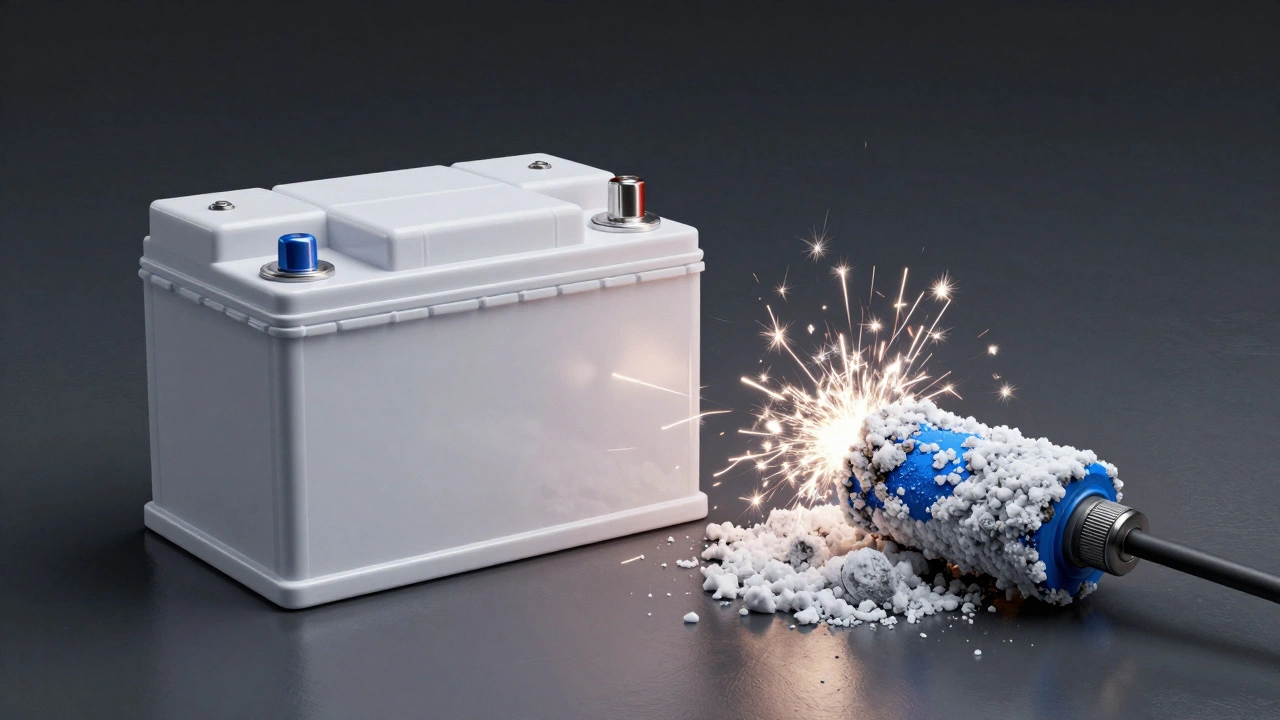
Here is a trick many people miss: a new battery doesn't automatically mean new connections. If you simply put a brand-new battery into old, corroded cable clamps, you've created a bottleneck. Battery Terminal Corrosion is the buildup of oxidized salts (that white or blue powder) that acts as an insulator. Even if the battery is pushing out 12.6 volts, that power can't reach the starter if it's blocked by a layer of crust.
To fix this, you shouldn't just tighten the clamps. You need to scrub the terminals with a wire brush or a dedicated battery cleaner. If you don't remove that oxidation, your "new" battery will behave exactly like a dead one because the electricity simply can't get through the gunk.
Modern Cars and the "Registration" Trap
If you drive a newer vehicle, simply swapping the battery isn't always enough. Many modern cars use a Battery Management System (BMS) that tracks the age and health of the battery. The car's computer adjusts the charging voltage as the battery gets older to compensate for its diminished capacity.
When you put in a fresh battery without "registering" it in the computer, the car continues to treat the new battery as if it were the old, dying one. This leads to undercharging or erratic electrical behavior. You might see warnings on your dashboard or find that the car won't start after a few days of sitting, simply because the computer didn't know the battery had been replaced.
The Silent Battery Drainers
Sometimes the battery is perfect, but the car is "bleeding" power. This is known as Parasitic Drain. This happens when an electrical component-like a glovebox light that doesn't turn off or a faulty aftermarket alarm-continues to draw current while the ignition is off. Over a few days, this can flatten a brand-new battery.
Beyond parasitic drain, you have to look at the Alternator. The battery's only job is to start the car; the alternator's job is to keep it running and recharge the battery. If the alternator belt is slipping or the alternator itself is failing, your new battery is doing all the heavy lifting without getting any energy back. Eventually, it runs out of juice, making it look like the battery failed when the charging system was actually the culprit.

When the Battery Isn't the Problem
It's frustrating, but sometimes the symptoms of a dead battery are actually engine or starter issues. For example, a seized engine (usually from neglecting oil changes) will prevent the car from cranking, which feels exactly like a dead battery. Similarly, a failed Starter Motor can receive full power from a healthy battery but simply refuse to turn the engine.
In some older vehicles, specifically certain 90s-era trucks, disconnecting the battery resets the idle air control learning. After you put the new battery in, the car might stall or idle roughly. This isn't a battery failure-it's just the computer forgetting how to manage the engine's idle speed. A quick cleaning of the throttle body usually fixes this faster than the car can "relearn" on its own.
How to Ensure Your Battery Lasts
To avoid these pitfalls, follow this quick checklist when replacing your battery:
- Verify Specs: Check your owner's manual for the correct CCA and group size.
- Clean Everything: Use a wire brush on the cable clamps before attaching them.
- Double Check Polarity: Red to positive (+), Black to negative (-). No exceptions.
- Tighten Firmly: The battery should not move, and the clamps should not rotate by hand.
- Register the Battery: If your car is from the last 10 years, check if it requires BMS registration.
- Test the Alternator: Use a multimeter to ensure your alternator is pushing out enough voltage (typically 13.5v to 14.5v) while the engine is running.
Why does my new battery die after only a few days?
This is usually caused by either a parasitic drain (something drawing power while the car is off) or a failing alternator that isn't recharging the battery while you drive. It could also be a registration issue in newer vehicles where the computer isn't charging the battery correctly.
Can I jump-start a brand-new battery?
Generally, new batteries should arrive fully charged. If you need to jump-start a battery immediately after installation, it's a red flag that the battery might be defective or there is a major short circuit in your electrical system.
What is a "good" voltage reading for a new battery?
A fully charged battery should read approximately 12.6 volts when the engine is off. If it reads significantly lower, it may have been sitting on the shelf too long and developed sulfation, or it may be defective.
Does it really matter which terminal I connect first?
Yes, for safety. You should generally connect the positive terminal first and the negative last. When removing, do the opposite (negative first). This prevents you from accidentally creating a short circuit if your wrench touches the car's metal frame while you're tightening the positive terminal.
What happens if I install the battery backwards?
Installing with reverse polarity can cause immediate damage to your electrical system. It often blows the main fuses or fusible links and can fry the Engine Control Module (ECM) and the alternator, leading to very expensive repairs.