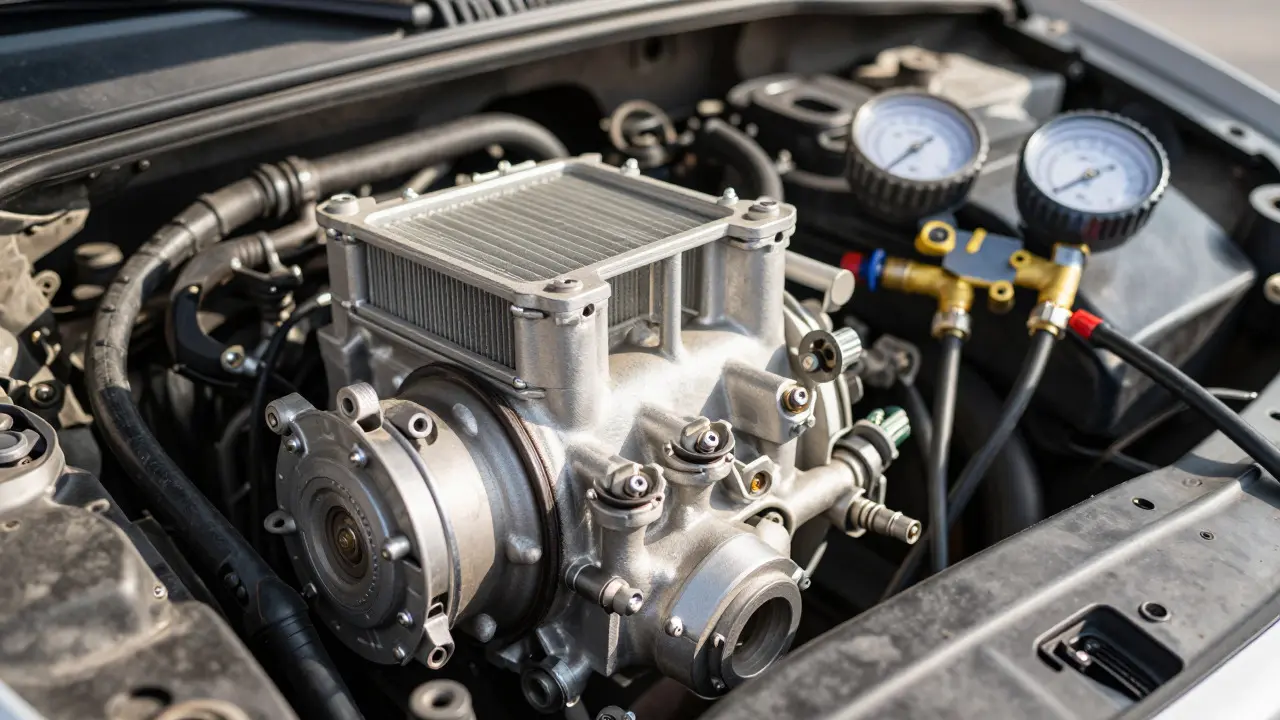
Your car’s air conditioning system is one of the most complex mechanical setups in your vehicle, yet it often gets ignored until the day you’re stuck in traffic with the windows down. If your car AC is blowing warm air instead of cold, the issue usually isn’t a mysterious failure but a specific, identifiable component that has worn out or failed. Understanding how the system works helps you diagnose the problem before you pay for unnecessary repairs.
The core promise of this guide is to help you pinpoint exactly where the cooling chain is broken. You’ll learn how to check for low refrigerant, test the compressor, inspect electrical connections, and identify simple fixes like a clogged filter. By the end, you’ll know whether you can handle the fix yourself or if it’s time to visit a professional shop.
Quick Summary / Key Takeaways
- Low refrigerant is the most common cause of weak cooling; leaks must be fixed before recharging.
- A non-engaging compressor clutch indicates electrical issues or a faulty compressor.
- A dirty cabin air filter restricts airflow, making the AC feel weaker than it is.
- Clogged A/C condensers reduce heat exchange efficiency, especially in hot climates.
- Always check fuses and relays before assuming major parts are broken.
How Your Car AC System Works
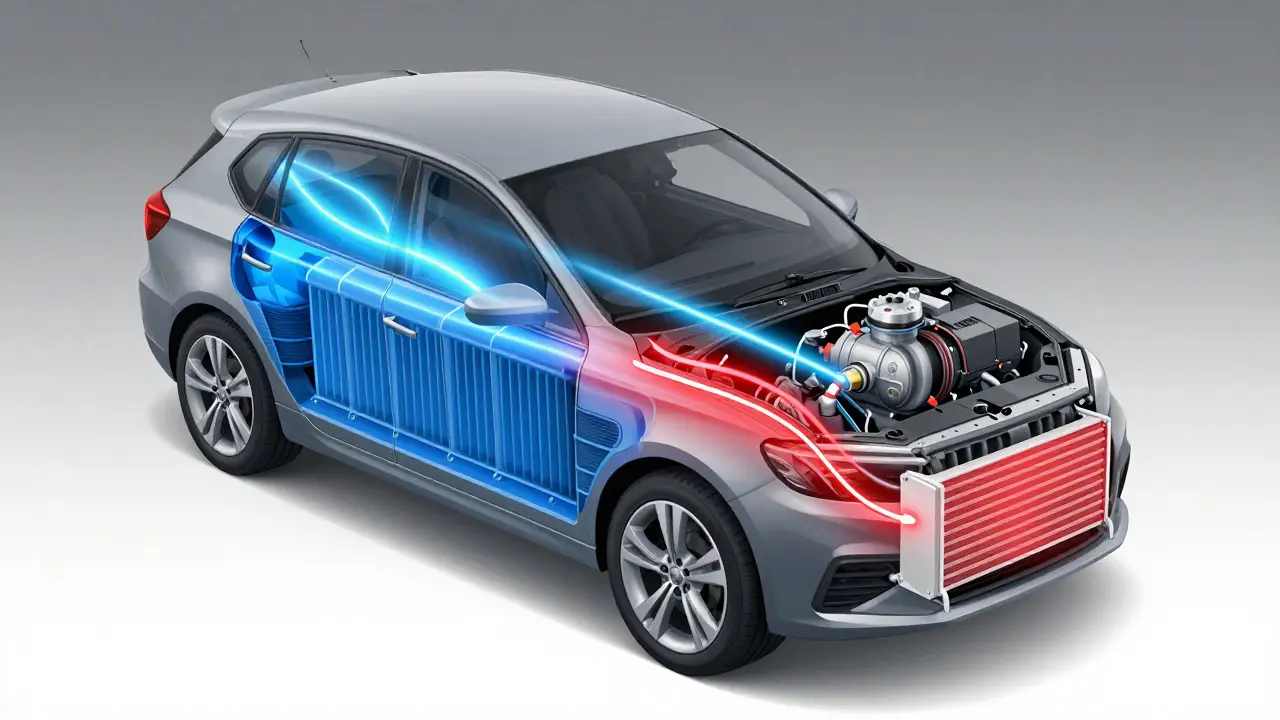
To troubleshoot effectively, you need to understand the basic cycle. The air conditioning compressor pumps refrigerant through the system, turning it from a gas to a high-pressure liquid. This liquid passes through the condenser, which sits at the front of your engine bay. Here, the refrigerant releases heat to the outside air, becoming cool and dense. It then flows through an expansion valve, dropping in pressure and temperature, before entering the evaporator inside your dashboard. The evaporator absorbs heat from the cabin air, blowing cold air into your car. Finally, the now-warm gas returns to the compressor to repeat the cycle.
If any part of this loop fails, the whole system stops cooling. The key entities here are the compressor, condenser, evaporator, and refrigerant. Each plays a distinct role, and a failure in one directly impacts the others. For example, if the condenser is blocked by debris, the refrigerant can’t release heat properly, leading to high pressures that may trip safety switches or cause the compressor to overheat.
Step-by-Step Diagnosis: Start With the Simple Stuff
Before you open the hood or buy tools, start with the easiest checks. These take minutes and cost nothing.
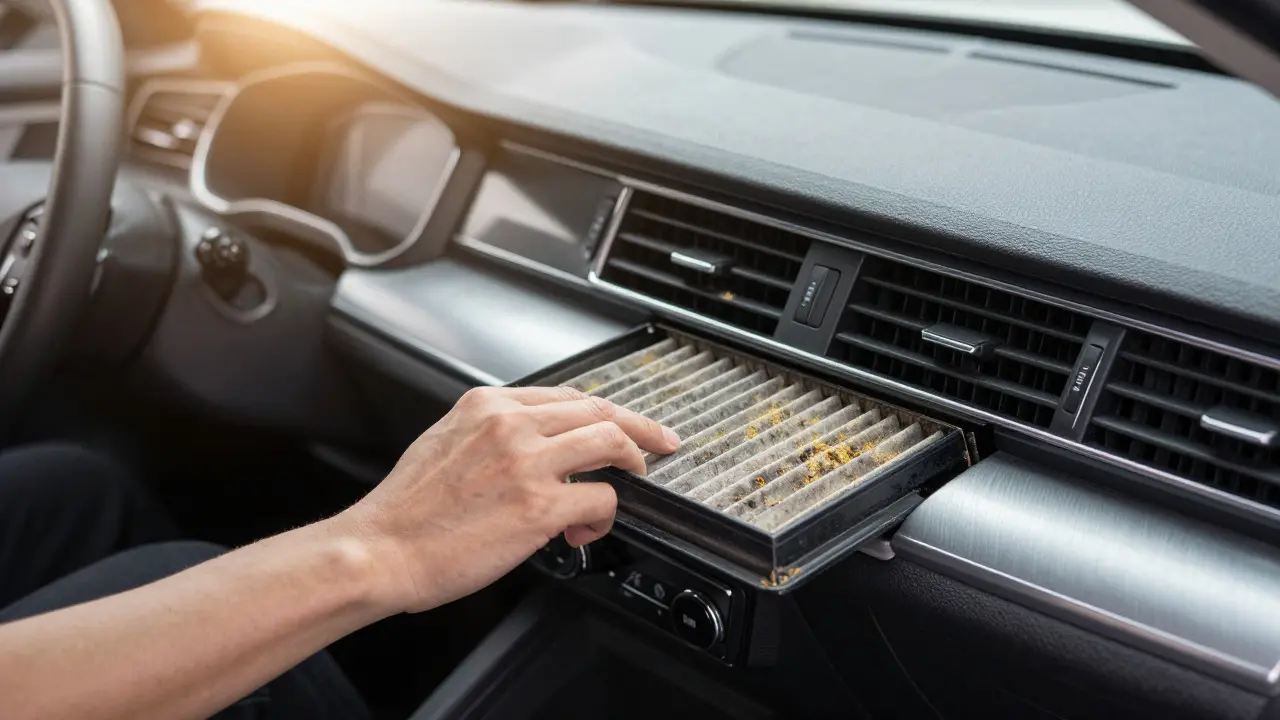
- Check the Cabin Air Filter: Located behind the glove box or under the hood near the windshield, this filter traps dust and pollen. If it’s clogged, airflow drops significantly. Even if the AC is working perfectly, restricted airflow makes it feel like it’s not cooling. Replace it if it looks gray or full of debris. Most filters cost between $10 and $30 and take five minutes to swap.
- Inspect Fuses and Relays: Look in your fuse box (usually under the hood or on the driver’s side dash) for the A/C compressor fuse and relay. A blown fuse or stuck relay will prevent the compressor from engaging. Swap the relay with another identical one to test. If the AC starts working, replace the faulty relay. This is a common, cheap fix that many people miss.
- Listen for the Compressor Clutch: Turn on the AC and look at the compressor pulley. If the center part (the clutch) spins when the AC is on, the compressor is receiving power. If it stays still while the outer pulley turns, the clutch isn’t engaging. This points to an electrical issue, a bad pressure switch, or a failing compressor.
Common Causes of Weak or No Cooling
If the basics check out, dig deeper into these frequent culprits.
Low Refrigerant Levels
Refrigerant, often called Freon (though modern cars use R-134a or R-1234yf), circulates through sealed lines. Unlike oil, it doesn’t wear out-it leaks. If you have low refrigerant, the AC will blow warm air because there isn’t enough fluid to absorb heat. You can check pressure using a manifold gauge set attached to the service ports. Low pressure on the low-side port confirms a leak. Note: Recharging without fixing the leak is temporary. The refrigerant will leak out again within weeks. Common leak points include O-rings, compressor seals, and condenser fins.
Faulty Compressor or Clutch
The compressor is the heart of the system. If the clutch doesn’t engage, the refrigerant doesn’t move. Causes include a bad capacitor, damaged wiring, or a seized compressor. If you hear grinding noises when turning on the AC, the compressor bearings might be failing. In some cases, the compressor works intermittently due to heat buildup. Letting the engine idle for 10 minutes after driving can help determine if the compressor engages when cool but fails when hot-a sign of internal wear.
Clogged Condenser or Evaporator
The condenser is exposed to road debris, bugs, and dirt. Over time, its fins get crushed or clogged, reducing heat dissipation. You can clean it gently with compressed air from the backside, being careful not to bend the fins further. The evaporator, located inside the dashboard, can also clog with mold or dust, especially if you’ve had moisture issues. A musty smell when turning on the AC suggests evaporator contamination. Cleaning this requires removing the dashboard or using a spray cleaner designed for A/C systems.
Electrical Issues
Beyond fuses and relays, check the pressure switch. This safety device cuts power to the compressor if pressure is too high or too low. If it’s faulty, the compressor won’t turn on even if everything else is fine. Testing it requires a multimeter. Also, inspect wiring harnesses for chafing or corrosion, especially around the compressor and condenser area. Water intrusion from a cracked condenser housing can short circuits and cause erratic behavior.
Comparison Table: Symptoms vs. Likely Causes
| Symptom | Likely Cause | Difficulty Level | Estimated Cost |
|---|---|---|---|
| Warm air blows | Low refrigerant, failed compressor | Medium-High | $150-$800 |
| Weak airflow | Clogged cabin filter, blower motor issue | Low | $20-$150 |
| Noise when AC turns on | Compressor bearing failure, belt wear | High | $400-$1,200 |
| Musty smell | Evaporator mold, dirty drain tube | Medium | $50-$200 |
| AC works only when stopped | Clogged condenser, fan failure | Medium | $100-$300 |
When to DIY vs. When to Call a Pro
You can safely handle filter replacements, fuse checks, and visual inspections. Recharging refrigerant is doable with a DIY kit, but only if you’ve confirmed no major leaks. However, replacing the compressor, fixing electrical wiring, or cleaning the evaporator usually requires professional tools and expertise. Misdiagnosing a compressor failure as a low refrigerant issue can lead to buying unnecessary parts. Always address the root cause, not just the symptom.
Pro tip: Keep a log of when the problem started. Did it happen after a hard stop? After driving in heavy rain? Context clues help technicians (and you) narrow down the fault faster.
Preventive Maintenance Tips
Regular maintenance extends the life of your AC system. Run your AC for 10 minutes every week, even in winter, to keep seals lubricated and prevent them from drying out. Check the cabin air filter every six months. Inspect the condenser for debris each spring. Use UV dye during refrigerant recharge to spot future leaks early. These small habits prevent expensive breakdowns later.
Frequently Asked Questions
Can I drive with a broken car AC?
Yes, unless the compressor is seizing or the belt is slipping. A non-functioning AC doesn’t affect engine performance, but a dragging compressor can strain the serpentine belt. If you hear grinding, shut off the AC immediately.
How much does it cost to fix car AC not cooling?
Costs vary widely. A simple refrigerant recharge costs $100-$200. Compressor replacement ranges from $400 to $1,200 depending on the vehicle. Electrical fixes are usually $150-$300. Always get a diagnostic quote before authorizing major repairs.
Why does my AC work sometimes but not always?
Intermittent issues often point to electrical faults, such as loose connections or a failing pressure switch. Heat-related failures suggest a compressor wearing out. Clogged condensers can also cause inconsistent performance as airflow changes with speed.
Do I need to replace all components if one fails?
No. Only replace what’s broken. However, if the compressor seizes, it can damage other parts like the condenser or lines. A technician should inspect the entire system before finalizing repairs to avoid secondary failures.
What type of refrigerant does my car use?
Cars made before 2012 typically use R-134a. Newer models (2015+) may use R-1234yf. Check your owner’s manual or the sticker on the radiator support. Using the wrong refrigerant can damage the system and void warranties.