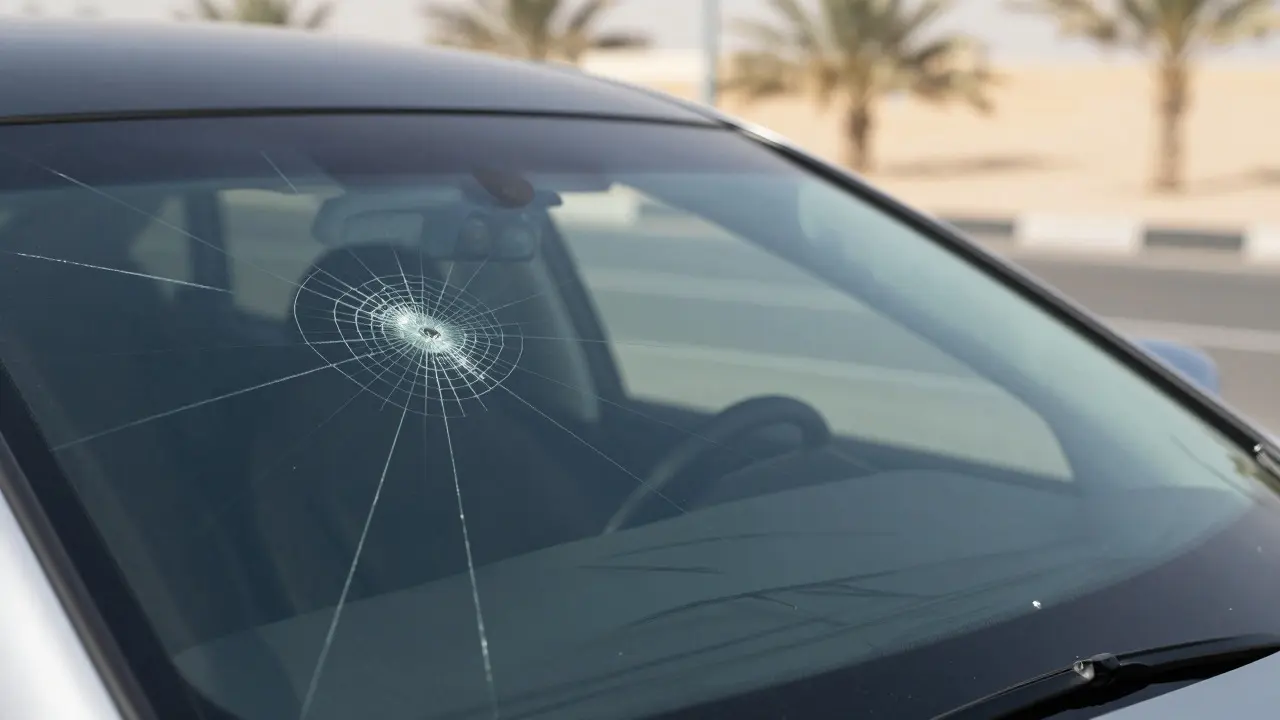
You just pulled away from a fender bender. The bumper looks fine, the paint is intact, but there’s a spiderweb crack across your windshield is the primary transparent barrier between the driver and the road, critical for structural integrity and visibility. You might think it’s just cosmetic, but that crack could be hiding a deeper problem: misaligned body panels or compromised sensor calibration. Ignoring these subtle shifts can turn a minor repair into a major safety hazard down the line.
Here is the reality: body alignment issues often go unnoticed because they don’t show up as obvious dents. Instead, they manifest as doors that won’t close properly, headlights pointing slightly off-center, or a windshield that sits at an odd angle relative to the hood. These small discrepancies affect how your car handles, how airbags deploy, and even how your advanced driver-assistance systems (ADAS) perceive the world around you.
Why Windshield Integrity Matters Beyond Visibility
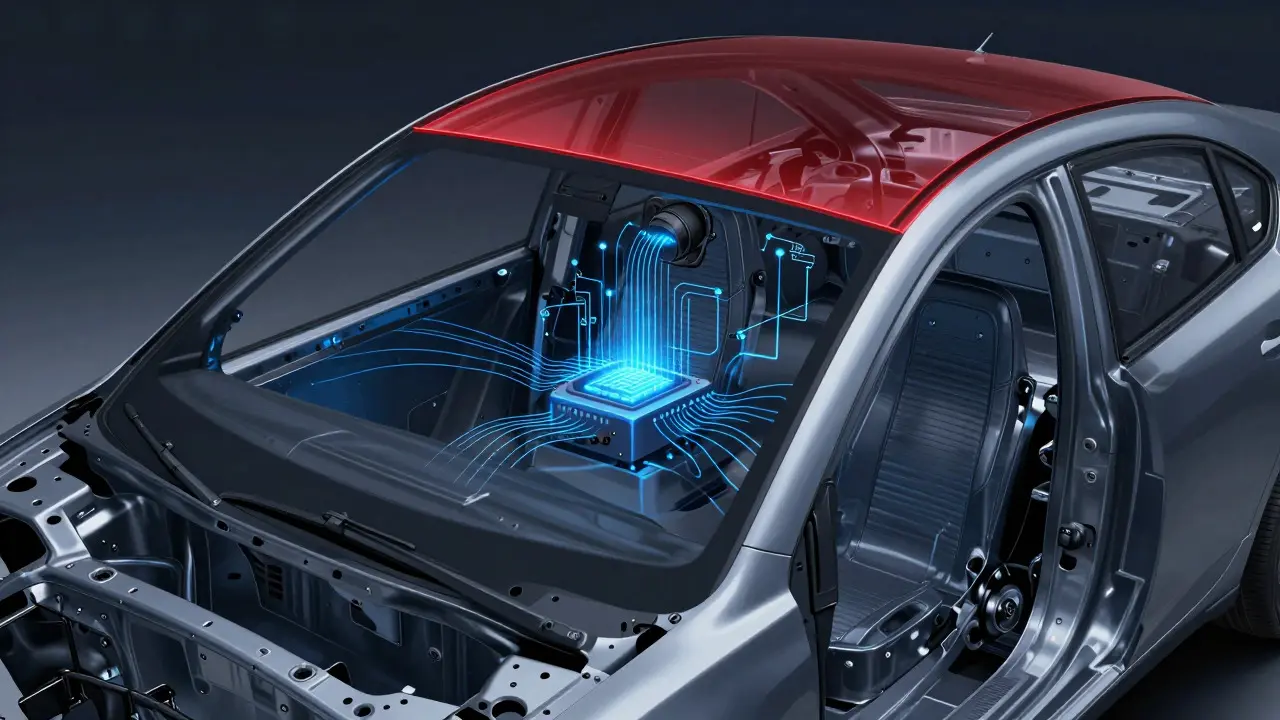
The windshield is not just a piece of glass; it is a structural component of your vehicle. In many modern cars, the windshield contributes up to 10-15% of the roof’s crush strength during a rollover. If the glass is cracked or replaced improperly, this structural support is weakened. More importantly for post-accident checks, the windshield houses critical technology.
Most vehicles manufactured after 2016 feature ADAS sensors mounted behind the glass. These include cameras for lane departure warning and radar units for adaptive cruise control. When a windshield is removed and reinstalled, even by a professional, these sensors must be recalibrated. If the glass isn’t seated perfectly flat against the frame, the camera’s field of view shifts. A shift of just a few millimeters can cause the system to misread lane markers or detect phantom obstacles. This is why checking the physical fit of the glass is the first step in any post-accident assessment.
Identifying Subtle Body Misalignment
After a collision, energy travels through the chassis. Sometimes it stops at a dent; other times, it twists the unibody structure. Here is how to spot alignment issues that aren’t visible to the naked eye immediately:
- Door Gaps: Look at the space between the door and the body panel. If one side is wider than the other, or if the gap changes size along the length of the door, the hinge mounts or the B-pillar may have shifted.
- Hood Clearance: Stand directly in front of the car. The distance from the hood edge to the fender should be equal on both sides. If one side is higher, the front subframe or strut towers might be bent.
- Rubber Seal Compression: Check the weatherstripping around the windows and doors. If the rubber is compressed unevenly or torn on one side, the window regulator track or the door jamb has likely moved out of square.
- Tire Wear Patterns: While not immediate, check your tires. Uneven wear on the inner or outer edges suggests that wheel alignment was affected by the impact, indicating a suspension component shift.
The Critical Connection Between Glass and Sensors
This is where most DIY inspections fail. You fix the crack, the car drives straight, and you assume you’re good. But what about the electronics? The relationship between the Advanced Driver Assistance Systems is a suite of electronic features including automatic emergency braking and lane keeping assist that rely on precise sensor data and the windshield is direct.
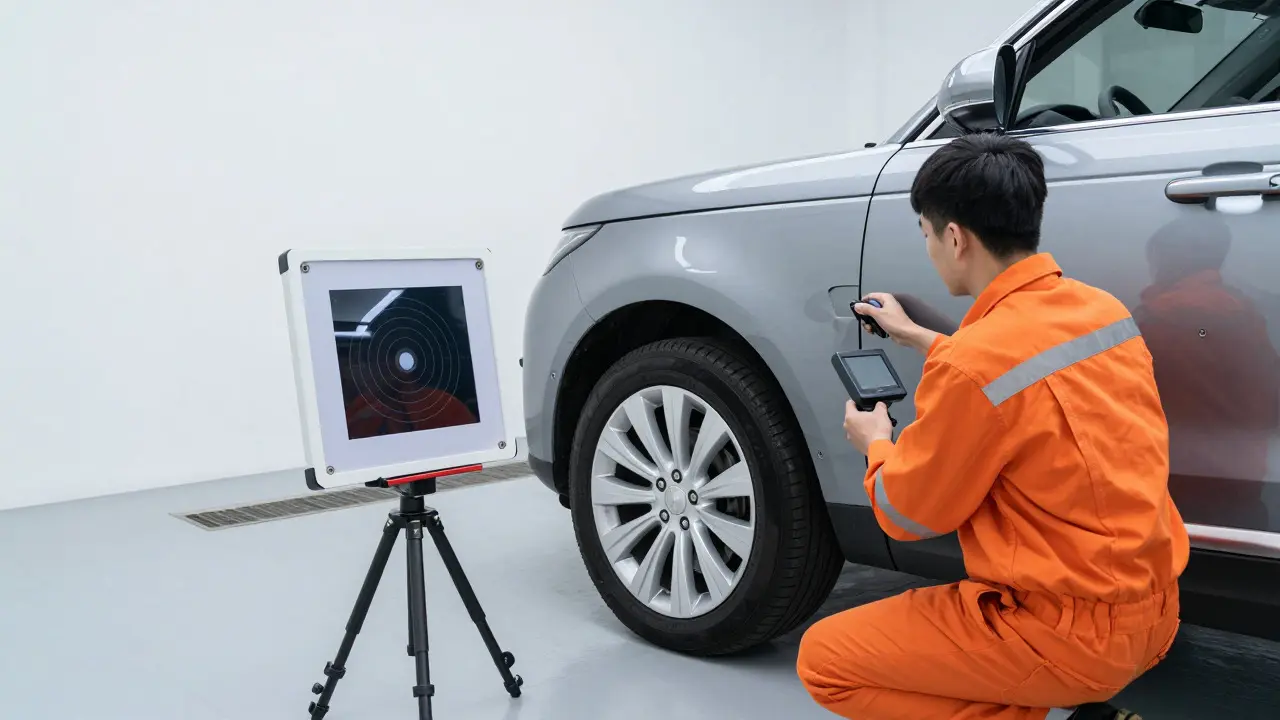
If the windshield was involved in the accident, even without breaking, the mounting points may have flexed. This flexing changes the angle of the camera housing. For example, if the left side of the windshield frame drops by 2mm, the forward-facing camera tilts downward. The car’s computer now thinks the road is closer than it is. This can lead to false positives in collision warnings or, worse, failure to detect a real threat. Recalibration requires specialized equipment-target boards with specific geometric patterns placed at exact distances from the vehicle. Without this step, your safety net has holes in it.
Step-by-Step Post-Accident Inspection Protocol
Before you hand your keys over to a shop, perform this quick self-check. It takes five minutes and can save you from overlooking hidden damage.
- Visual Scan of the Glass: Hold a flashlight at a low angle against the windshield. Look for stress fractures that might not be visible under normal light. Note any chips near the edges, as these are prone to spreading.
- Check the Wiper Blades: Lift the wipers. Do they sit evenly on the cowl? If one blade is angled differently, the wiper motor arm or the parking position mechanism may be damaged.
- Test Door Operation: Open and close each door. Listen for grinding or sticking. Feel for resistance. A door that requires extra force to latch indicates a misaligned striker plate or hinge.
- Inspect the Trunk/Liftgate: Close the trunk. Does it seal evenly? Is there a gap on one side? The rear structure often absorbs impact energy, so a misaligned tailgate is a red flag for rear-end damage.
- Look Under the Hood: Check the radiator support and the engine mounts. If the engine sits lower on one side, the crossmember may be bent. This affects steering geometry significantly.
Repair vs. Replace: Making the Right Call
Not all windshield damage requires replacement. Small chips less than an inch in diameter, located outside the driver’s direct line of sight, can often be repaired with resin injection. However, if the crack extends to the edge of the glass, or if it interferes with the camera module, replacement is usually necessary.
When replacing the glass, ensure the technician uses the correct adhesive. Modern windshields use polyurethane adhesures that cure under specific temperature and humidity conditions. If the ambient temperature is too cold or hot, the bond may not reach full strength, leading to leaks or vibration noise later. Ask your technician about their curing process. A reputable shop will wait the recommended time before you drive the car.
Common Pitfalls to Avoid
One of the biggest mistakes owners make is assuming that if the car drives straight, the alignment is fine. Steering feel can mask minor suspension shifts until they become severe. Another pitfall is skipping the sensor calibration because the glass wasn't broken. Remember, the frame can flex without breaking the glass. If the accident involved any impact to the front quarter panels or the hood, assume the camera angle has changed and request a diagnostic scan.
Also, beware of "quick fixes" that skip the proper cleaning of the bonding surface. Old adhesive residue prevents new urethane from bonding correctly. This leads to water leaks and wind noise. A proper installation involves cutting away old adhesive, cleaning the channel with primer, and applying fresh bead precisely. It’s a detail that saves headaches later.
Frequently Asked Questions
Does insurance cover windshield repair after a minor accident?
It depends on your policy. Comprehensive coverage typically covers glass damage regardless of fault, while collision coverage applies if you were at fault or hit another object. Many insurers waive the deductible for glass claims if you choose a certified shop. Always check your specific policy terms before filing.
How long does it take to calibrate ADAS sensors after windshield replacement?
Static calibration using target boards usually takes 30 to 60 minutes. Dynamic calibration, which involves driving the car on a highway at specific speeds, can take longer depending on traffic and road conditions. Most shops complete the entire process within two hours of glass installation.
Can I drive my car home after windshield replacement?
Generally, yes, but only after the technician confirms the adhesive has cured sufficiently. Most modern urethanes allow safe driving after 1 hour, but full structural strength takes 24 hours. Avoid washing the car or hitting pothards hard for the first day to ensure the bond sets completely.
What signs indicate my body alignment is off after a crash?
Look for uneven gaps between doors and fenders, a hood that sits higher on one side, or tires wearing unevenly. You might also notice the car pulling to one side on a flat road, or the steering wheel being off-center when driving straight.
Is it safer to replace the windshield or repair a chip?
For small chips away from the edge, repair is safer and cheaper. However, if the damage is near the sensor area or extends to the edge, replacement is safer. A repaired chip near a sensor can distort the image, causing ADAS errors. When in doubt, consult a certified glass technician.