
Driving in Dubai is a unique challenge. The heat doesn't just bake your dashboard; it turns dust into sticky residue that clings to your glass. Standard washer fluids from colder climates often fail here, leaving streaks or clogging your nozzles. You need a solution that cuts through grit and withstands temperatures exceeding 45°C.
This guide breaks down exactly what you need in a windshield washer fluid for the Gulf region. We will look at chemical compositions, specific product types available in local auto parts stores, and maintenance tips to keep your visibility clear during sudden sandstorms.
Why Standard Fluid Fails in the Gulf Climate
Most people buy the same blue bottle they use back home. That is a mistake. In UAE, the primary enemy is not ice; it is particulate matter. Fine sand and silica dust settle on windshields within hours of parking. When you spray standard water-based fluid, it often lacks the surfactants needed to lift this fine grit. Instead, the water evaporates quickly due to high ambient temperature, leaving behind a film of dirt that obscures vision more than before.
Additionally, the intense UV radiation degrades cheaper plastics in the reservoir and hose lines over time. If your fluid contains harsh alcohols without proper stabilizers, it can crack rubber seals. This leads to leaks under the hood, which are expensive to fix. The goal is to find a balance between cleaning power and material compatibility.
Key Attributes of Desert-Ready Washer Fluid
When shopping at stores like AutoZone or local specialty shops in Deira or Al Quoz, look for these specific components. Do not just grab the cheapest option on the shelf.
- High Surfactant Content: This helps break the surface tension of water, allowing it to penetrate and lift sand particles rather than pushing them around.
- Anti-Streak Formula: Essential for preventing residue after evaporation. Look for terms like "streak-free" or "high-gloss finish."
- Corrosion Inhibitors: Protects metal components in the pump and nozzle assembly from rust, especially if humidity spikes occur near the coast.
- UV Stabilizers: While less critical than in cold climates, these help protect the fluid's integrity in prolonged heat exposure.
Avoid fluids with high glycol concentrations unless specified for extreme cold. Glycol is unnecessary in Dubai and can actually attract more dust if the formula isn't balanced correctly for arid environments.
Comparison of Fluid Types for Dubai Conditions
Not all washer fluids are created equal. Here is how different types perform under local conditions. Use this table to make an informed decision at the point of sale.
| Fluid Type | Sand Removal Ability | Evaporation Rate | Material Safety | Best For |
|---|---|---|---|---|
| Pure Water | Poor | Very High | Safe | Emergency only |
| Standard Blue (General Purpose) | Moderate | High | Fair | Mild city driving |
| Pre-Mixed Concentrate (Gulf Spec) | High | Medium | Good | Daily commuting |
| Professional Detailing Spray | Excellent | Low | Excellent | Heavy sand/dust events |
The "Gulf Spec" pre-mixed fluids are typically formulated with higher viscosity modifiers. This keeps the liquid on the glass longer, giving the wipers time to clear the debris before the sun dries it up. Professional detailing sprays often contain polymer additives that repel future dust, acting as a temporary shield.
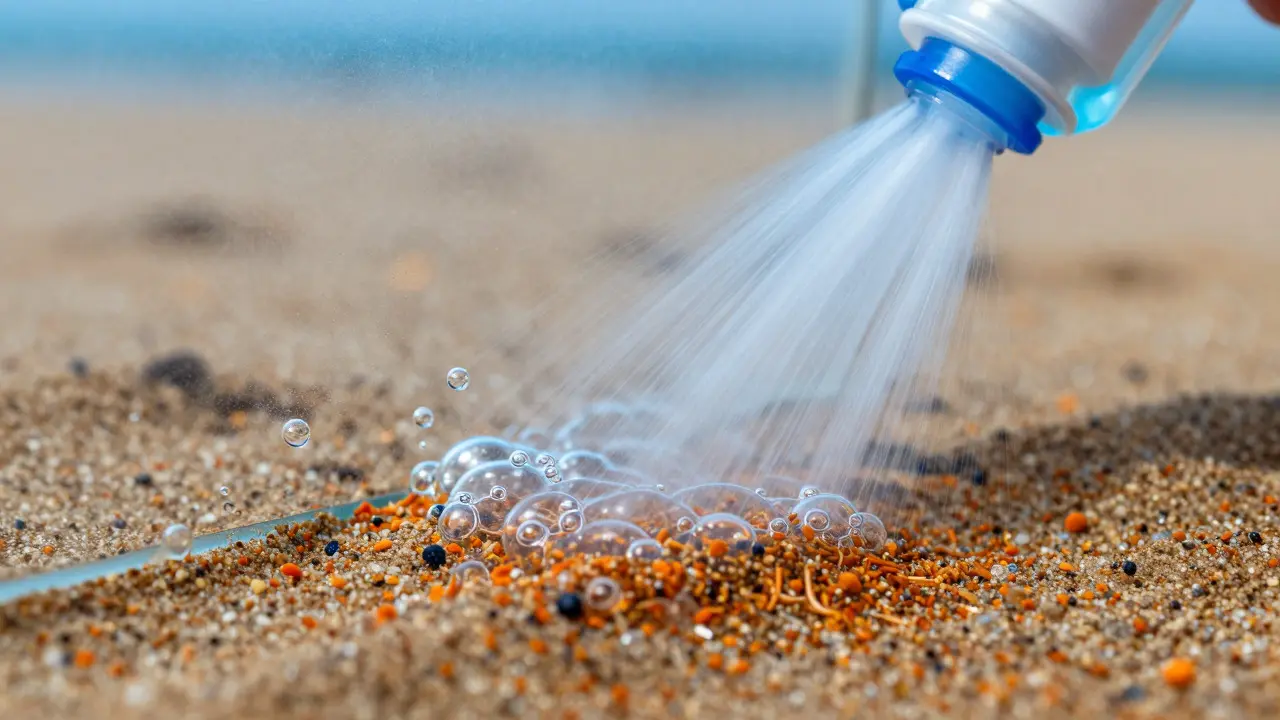
Step-by-Step Selection and Application Process
Choosing the right product is half the battle. Applying it correctly ensures maximum effectiveness. Follow these steps to optimize your setup.
- Inspect Your Nozzles: Before adding new fluid, check your spray pattern. Clogged nozzles are common in dusty areas. Clean them with a pin or compressed air. If the spray is weak, replace the nozzles. They are cheap and easy to swap.
- Check Reservoir Capacity: Most cars hold between 1.5 to 3 liters. Do not overfill. Overfilling can cause pressure issues in the pump motor.
- Select the Right Product: Choose a pre-mixed fluid labeled for "hot climate" or "dust control." Avoid concentrates if you don't have distilled water handy, as tap water in some areas has high mineral content that causes scale buildup.
- Add Fluid Slowly: Pour slowly to avoid splashing onto painted surfaces. Some fluids contain dyes that can stain clear coats if left too long.
- Test Immediately: Drive slowly and test the spray. Adjust the nozzle angle if necessary so the fluid hits the center of the windshield, not the edges.
Pro tip: Keep a small spray bottle of concentrated detailing fluid in your trunk. During heavy sandstorms, the main reservoir might not be enough. A manual spray allows for targeted cleaning of the most obscured areas.
Maintenance Tips for Long-Term Performance
Your washer system is low-maintenance, but neglect leads to failure. Here is how to keep it running smoothly year-round.
- Flush Every 6 Months: Even with good fluid, mineral deposits can build up in the lines. Drain the reservoir and run pure water through the system once every six months.
- Clean Wiper Blades Monthly: Dirty blades smear fluid instead of clearing it. Wash your wipers with soap and water regularly. Replace them if they leave streaks even with clean fluid.
- Monitor Pump Noise: If you hear a humming sound but no spray, the pump may be failing. This is a common issue in hot climates due to thermal stress. Budget $50-$100 for a replacement pump if this happens.
- Use Distilled Water for Top-Ups: If you run out of pre-mixed fluid, top up with distilled water, not tap water. Tap water minerals accelerate corrosion in the pump diaphragm.
Regular maintenance prevents the frustration of blind spots during sudden weather changes. It also extends the life of your entire exterior cleaning system.
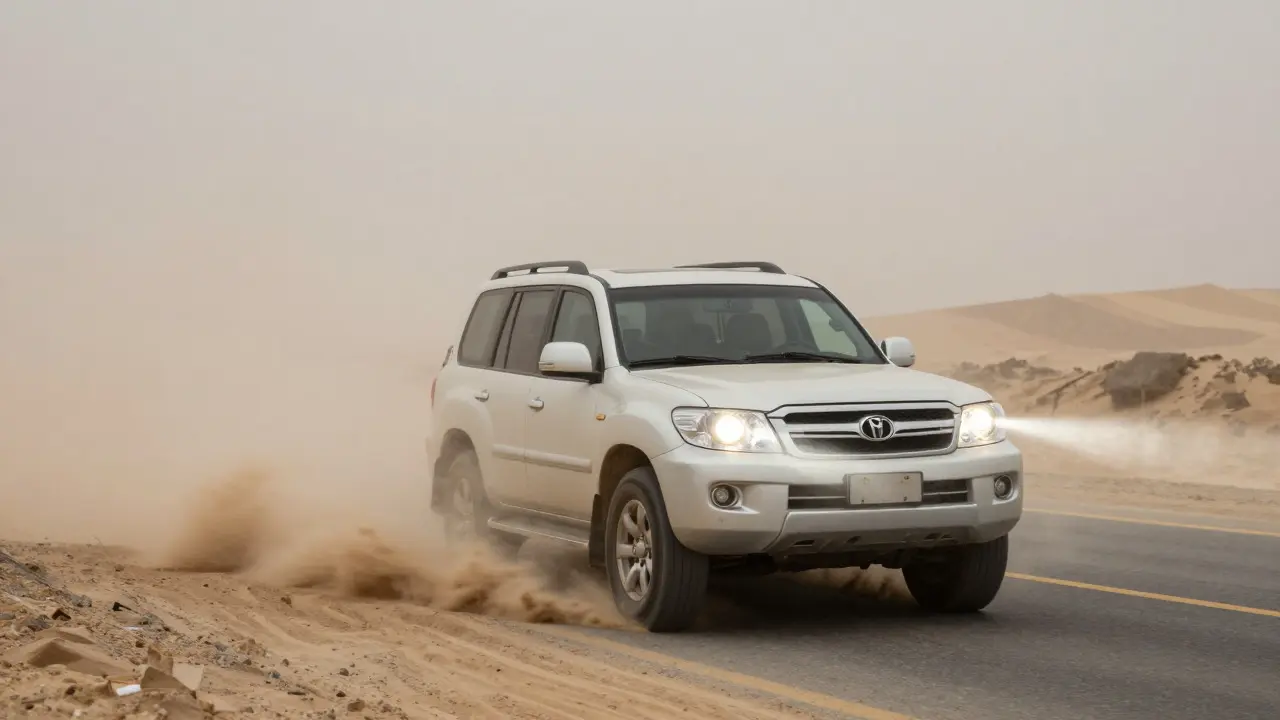
Common Mistakes to Avoid
Even experienced drivers make errors that compromise visibility. Watch out for these pitfalls.
- Mixing Different Brands: Mixing incompatible chemicals can create gunk that clogs filters. Stick to one brand or type until the reservoir is empty.
- Ignoring the Cap Seal: Ensure the reservoir cap is tight. Loose caps allow sand to enter the tank directly, creating abrasive sludge.
- Using Dish Soap: Never use household detergents. They degrade rubber seals and leave oily residues that attract more dust.
- Overlooking Hose Cracks: Inspect the rubber hoses under the hood annually. Heat makes them brittle. A small crack can leak fluid onto hot engine parts, causing smoke and potential fire hazards.
These small oversights add up. Addressing them proactively saves money and ensures safety.
Frequently Asked Questions
Can I use plain water for my windshield washer in Dubai?
You can, but it is not recommended. Plain water evaporates too quickly in high heat, leaving behind mineral deposits and dust films. It also lacks the lubrication needed to prevent wiper squeaking. Use water only as a temporary emergency measure.
How often should I change my windshield washer fluid?
In hot, dusty environments like Dubai, top up monthly and completely flush the system every six months. This prevents sediment buildup and maintains the effectiveness of the anti-streak agents.
What is the best way to unclog washer nozzles?
Use a fine pin or needle to gently poke the holes while spraying. If that fails, soak the nozzles in warm vinegar for 15 minutes to dissolve mineral deposits. Always test the spray pattern after cleaning.
Do I need antifreeze properties in summer?
No. Antifreeze additives (like ethylene glycol) are unnecessary in Dubai summers and can attract dust if the formula is not balanced. Focus on surfactants and anti-streak properties instead.
Is it safe to use automotive glass cleaner in the washer tank?
Generally, no. Aerosol glass cleaners are designed for direct application and may contain oils or polymers that clog the tiny filter mesh in the washer pump. Stick to liquids specifically formulated for reservoir use.