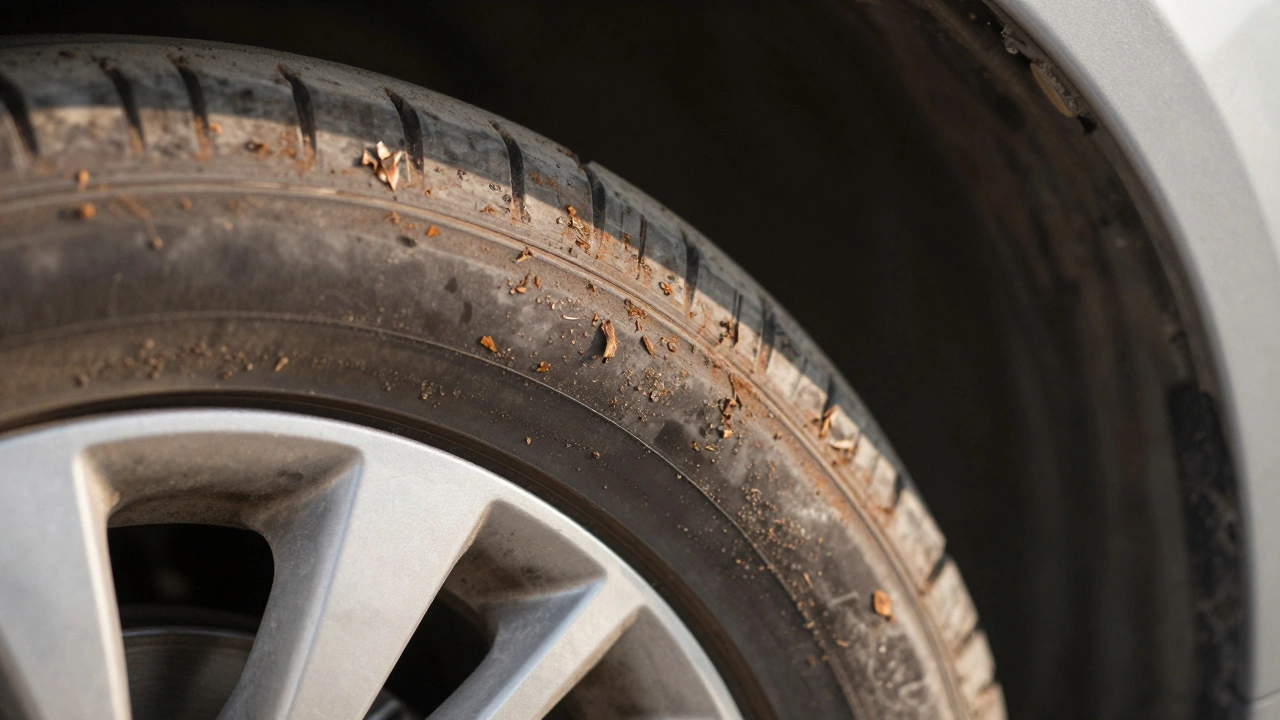
Spot rust on your car isn’t just an eyesore-it’s a warning sign. If you ignore it, that tiny brown patch can grow into a hole in your floor pan, a rusted-out rocker panel, or even a structurally weakened frame. The good news? You don’t need to replace entire panels or scrap the car. Rust spot treatment done early can stop corrosion dead in its tracks, saving you thousands and keeping your car safe for years.
Why Rust Starts in the Worst Places
Rust doesn’t just show up randomly. It loves hidden spots where water and dirt get trapped. Look at the seams where your fender meets the door, the edges of your wheel wells, or where the frame connects to the floor. These are the first places rust eats away at metal. Road salt in winter, gravel spray, and even condensation from humidity work together to break down protective coatings. Once the bare metal is exposed, oxidation kicks in fast.Most people wait until they see a big rust bubble before acting. By then, the damage is already spreading under the paint. The key is catching it early-when it’s just a few flakes or a dull, chalky patch. That’s when treatment works best.
What Modern Rust Treatments Actually Do
Gone are the days of sandblasting or grinding rust off down to bare metal. Today’s best rust spot treatments don’t require you to strip everything away. Instead, they work in two smart ways:- Rust converters chemically change rust into a stable, paintable surface. They don’t remove rust-they neutralize it.
- Direct-to-rust coatings seal the rust in place and form a waterproof barrier that stops oxygen and moisture from reaching the metal.
Both methods stop the rust from spreading. Neither needs perfect surface prep. That’s why they’re popular with DIYers and professionals alike.
Top Products Compared
| Product | Type | UV Resistance | Coverage per Gallon | Application Method | Chip Resistance |
|---|---|---|---|---|---|
| Rust Bullet Automotive | Direct-to-rust coating | Yes | 400 sq ft | Brush, roller, spray | High |
| POR-15 | Direct-to-rust coating | No (standard) | 350 sq ft | Brush, spray | High |
| Eastwood Rust Encapsulator Plus | Rust converter + sealer | Yes | 300 sq ft | Brush, aerosol, spray gun | High |
| Eastwood Rust Converter | Chemical rust neutralizer | No | Varies | Brush, spray | Medium |
Rust Bullet Automotive stands out because it’s one of the few that offers built-in UV protection and covers more area per gallon. It also works as both primer and topcoat, cutting down steps. POR-15 is tough and long-lasting, but it fades in sunlight unless you topcoat it with paint. Eastwood gives you flexibility-choose the original for a matte finish, or the Platinum version if you want a shiny, UV-resistant layer that looks good on its own.
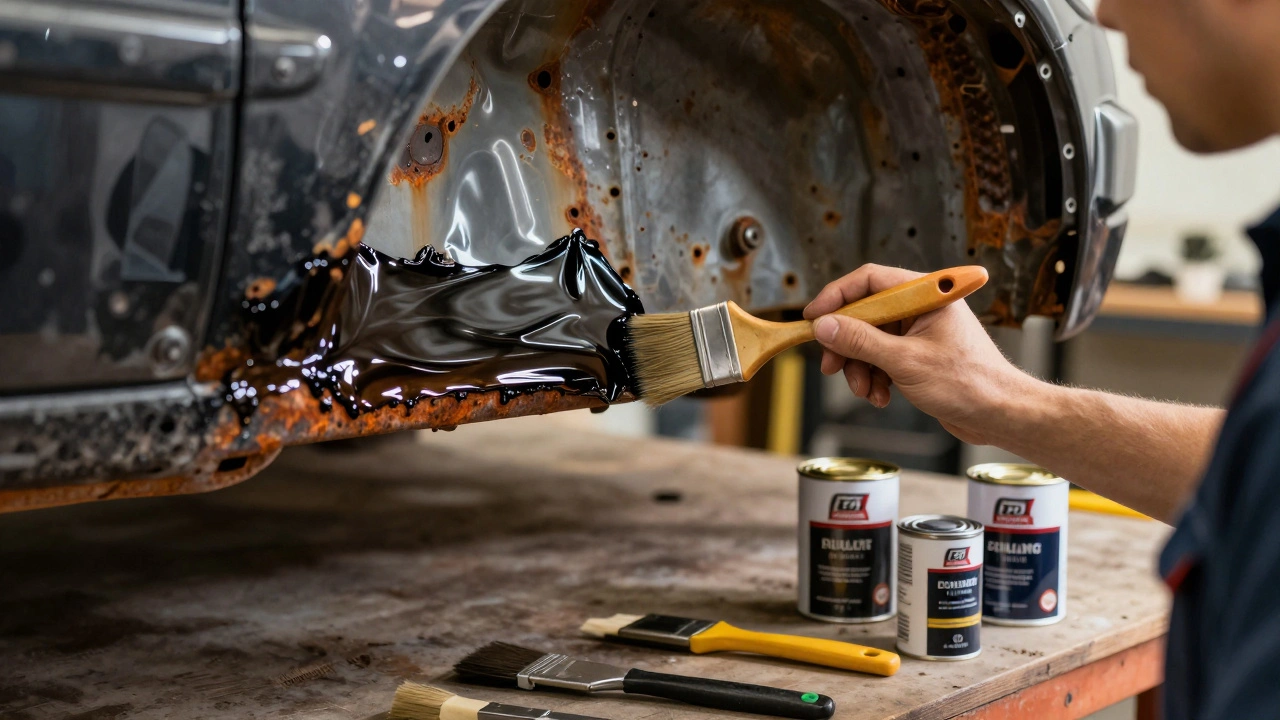
How to Apply Rust Spot Treatment
You don’t need a garage full of tools. Here’s how to do it right:- Clean the area. Wash off dirt, grease, and loose rust with soap and water. Let it dry completely.
- Scuff the surface. Use 80-100 grit sandpaper to lightly rough up any paint around the rust. This helps the product stick better. Don’t sand down to bare metal unless you’re using a rust converter.
- Apply the treatment. Use a brush for small spots, a roller for larger areas, or an aerosol spray for hard-to-reach places. Apply two thin coats, letting each dry for 4-6 hours between coats. Don’t rush this step.
- Seal it. If your product doesn’t have UV protection (like standard POR-15), apply a topcoat of paint or clear coat to protect it from sunlight.
- Check internal seams. If rust is near door jambs or frame rails, drill a small 1/4-inch hole to spray product inside. Seal the hole with body filler or epoxy afterward.
Many users report that after applying Rust Bullet Automotive to their undercarriage, their cars stayed rust-free for over five years-even in snowy climates. Sarah K. from Ohio said, "Easy to apply and the results are outstanding. Highly recommend for anyone dealing with rust issues." That’s not luck. It’s proper technique.
What Doesn’t Work
Not all "rust-proofing" products deliver. Ceramic coatings, for example, are great for shiny finishes and heat resistance, but they won’t stop rust if the paint is chipped. They’re designed for clean, intact surfaces, not corroded metal. If your car has bare metal showing, skip the ceramic spray.Also, avoid cheap spray cans labeled "rust inhibitor" that just sit on top of the rust. These don’t bond with the metal and wash off after a few rainstorms. Stick with products that have been tested for direct-to-rust application and carry clear instructions.
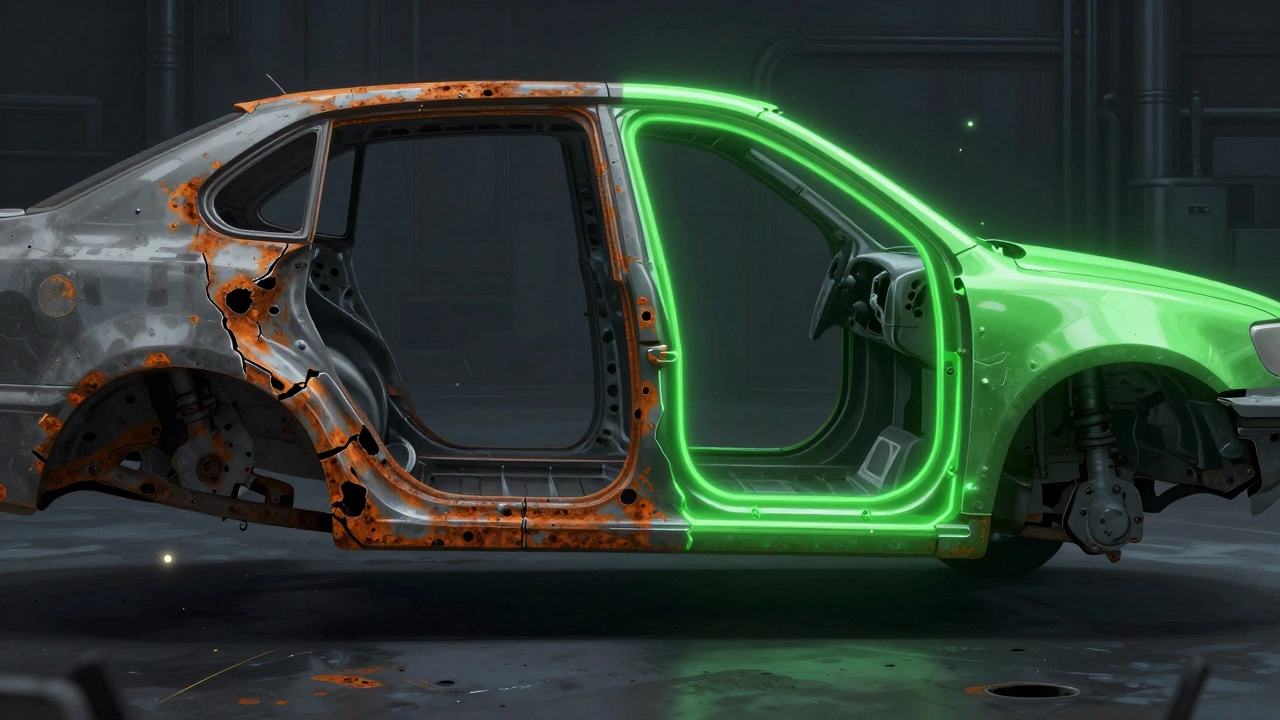
Prevention Beyond the Treatment
Treating rust is only half the battle. To keep it from coming back:- Wash your car every two weeks in winter. Focus on the undercarriage.
- Use a salt neutralizer spray after driving on treated roads. Products like Eastwood’s Road Salt Neutralizer break down corrosive salts before they eat into metal.
- Apply a rubberized undercoating to frame rails, wheel wells, and suspension parts. It adds a flexible, shock-absorbing layer that resists chipping.
- Park in a garage or under a carport. Even a simple tarp reduces moisture exposure.
- Inspect your car every fall. Catch new rust spots before winter hits.
AutoZone and other experts agree: rust prevention is a system, not a one-time fix. Treat the damage, then protect the rest.
When to Call a Pro
If rust has eaten through the metal-meaning you can poke a screwdriver through it-you’re past spot treatment. That’s when you need panel replacement or welding. But if it’s still surface-level, you’ve got time. Most rust problems can be handled at home with the right tools and product.And if you’re unsure? Take a photo of the rust and ask at your local auto parts store. They’ve seen hundreds of cases. A quick check can save you from wasting money on the wrong product.
Can I paint over rust without removing it?
Yes, but only with products designed for it-like Rust Bullet Automotive, POR-15, or Eastwood Rust Encapsulator. Regular paint won’t stick and will peel off as the rust spreads underneath. Always use a rust converter or direct-to-rust coating first.
How long does rust spot treatment last?
When applied correctly, high-quality treatments like Rust Bullet or POR-15 can last 5-10 years or more. Many users report no rust return for over a decade, especially when combined with regular cleaning and undercoating. The key is sealing out moisture completely.
Do I need to sand off all the rust before applying?
No. Modern rust treatments are designed to bond directly to rust. Sanding removes loose flakes and roughens the surface for better adhesion, but you don’t need to get down to bare metal. Over-sanding wastes time and can damage surrounding paint.
Is Rust Bullet better than POR-15?
It depends. Rust Bullet offers UV resistance and covers more area per gallon, making it easier to use on large areas like undercarriages. POR-15 is thicker and more chemical-resistant, but it fades in sunlight and needs a topcoat. If you want a long-lasting, low-maintenance solution, Rust Bullet is often the better choice.
Can I use these products on aluminum or fiberglass?
No. These treatments are designed for steel and iron. Aluminum doesn’t rust the same way, and fiberglass doesn’t corrode at all. Using them on non-metal surfaces is unnecessary and can cause adhesion issues. Stick to metal-only areas.